
Last updated November 23, 2026
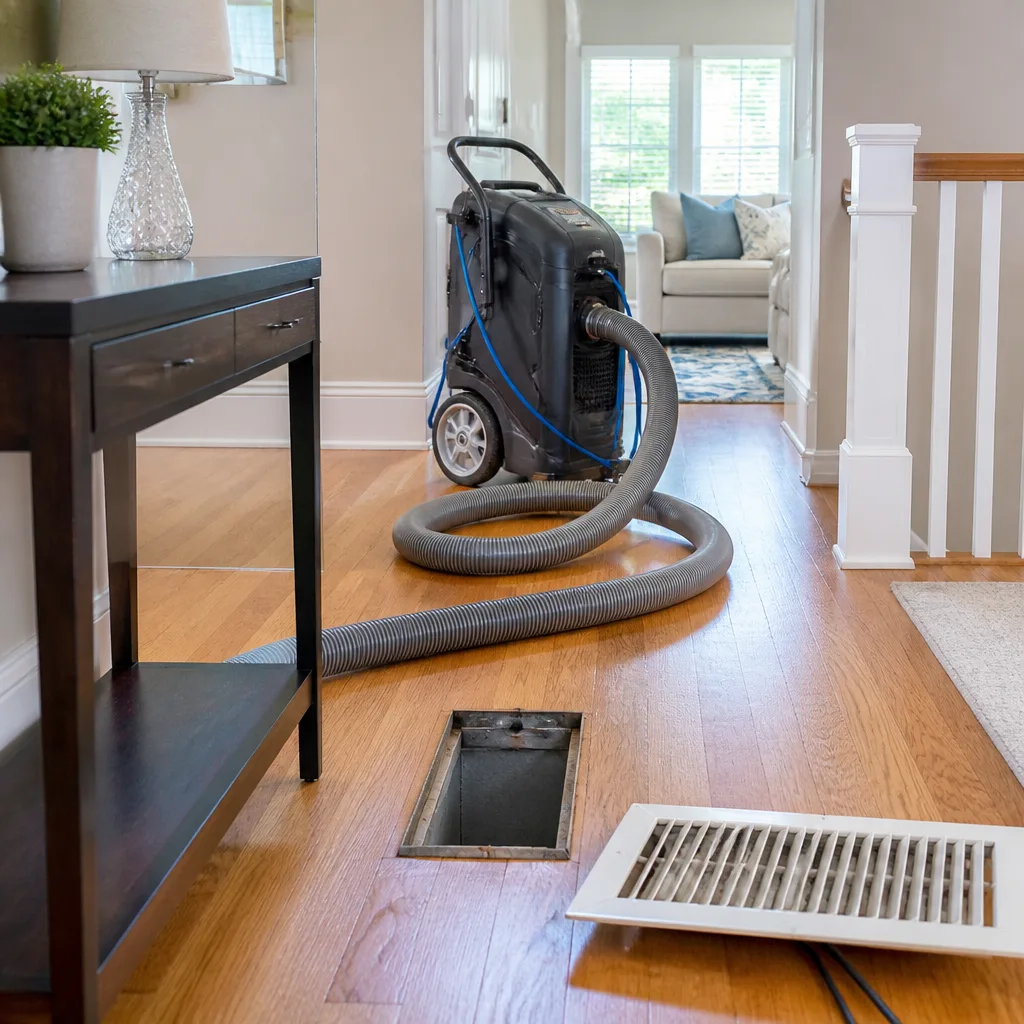 Whole-home duct cleaning
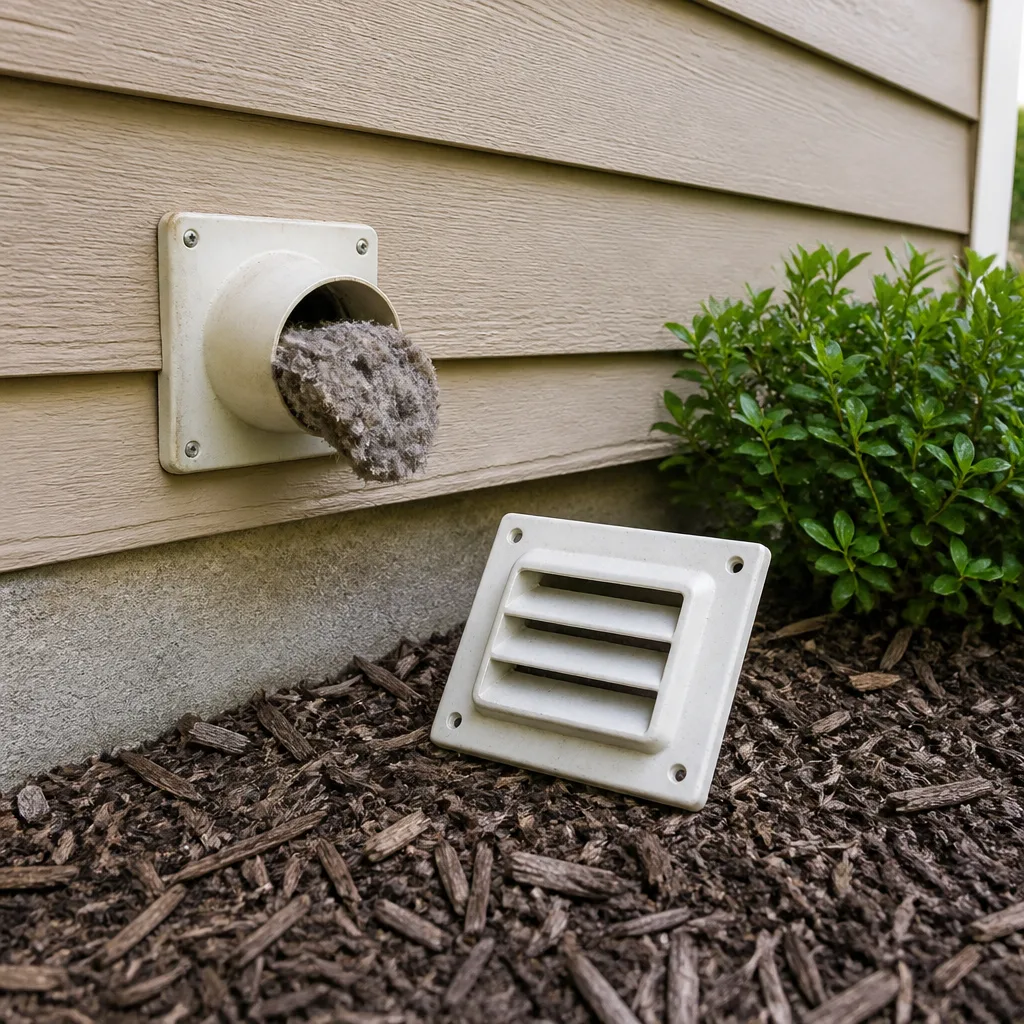 Dryer vent cleaning
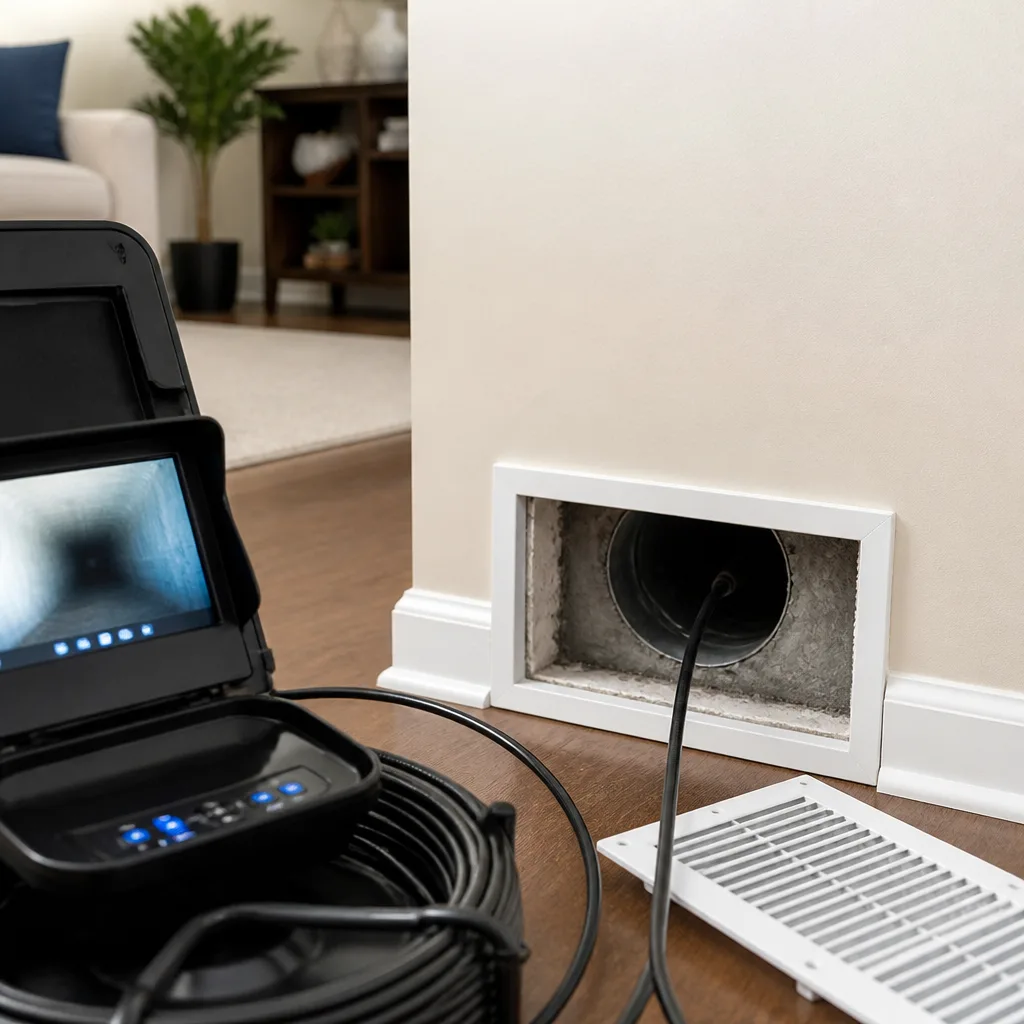 Camera inspection
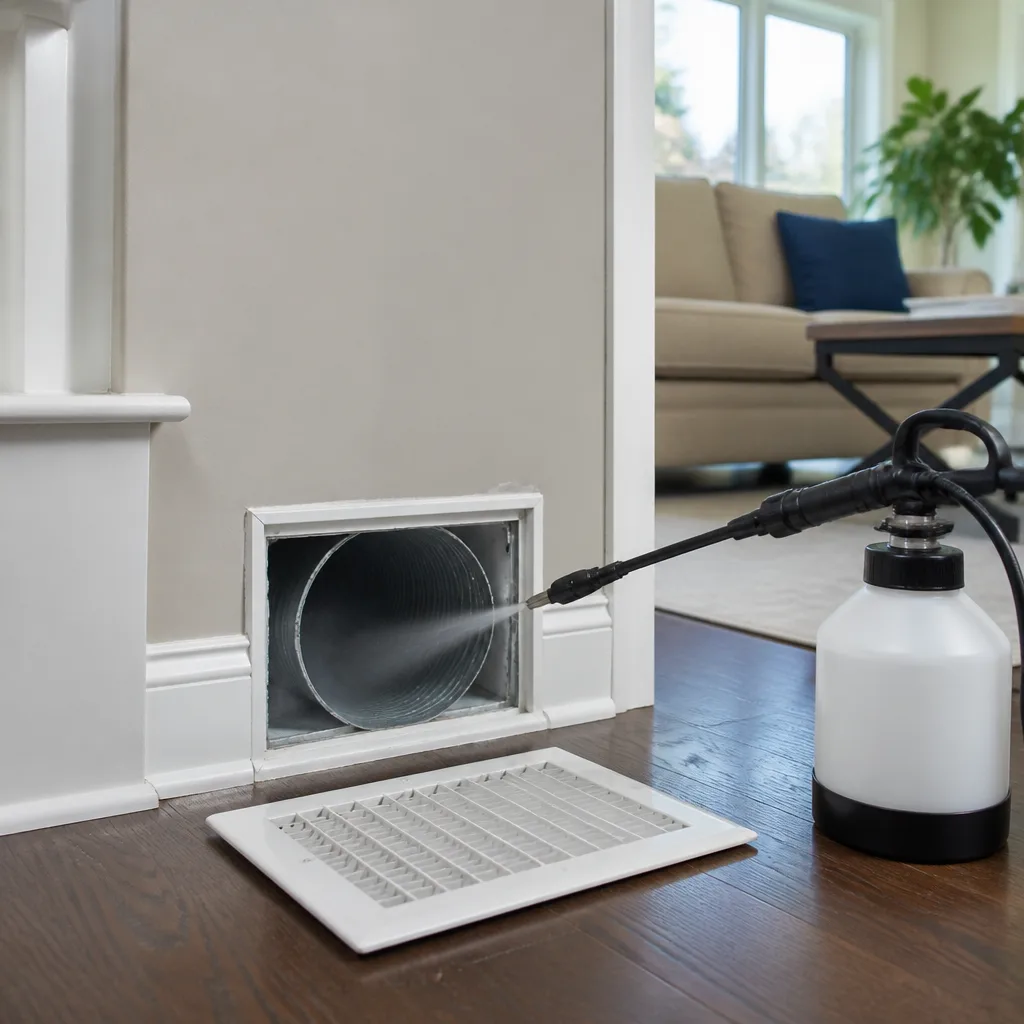 Sanitizing & deodorizing
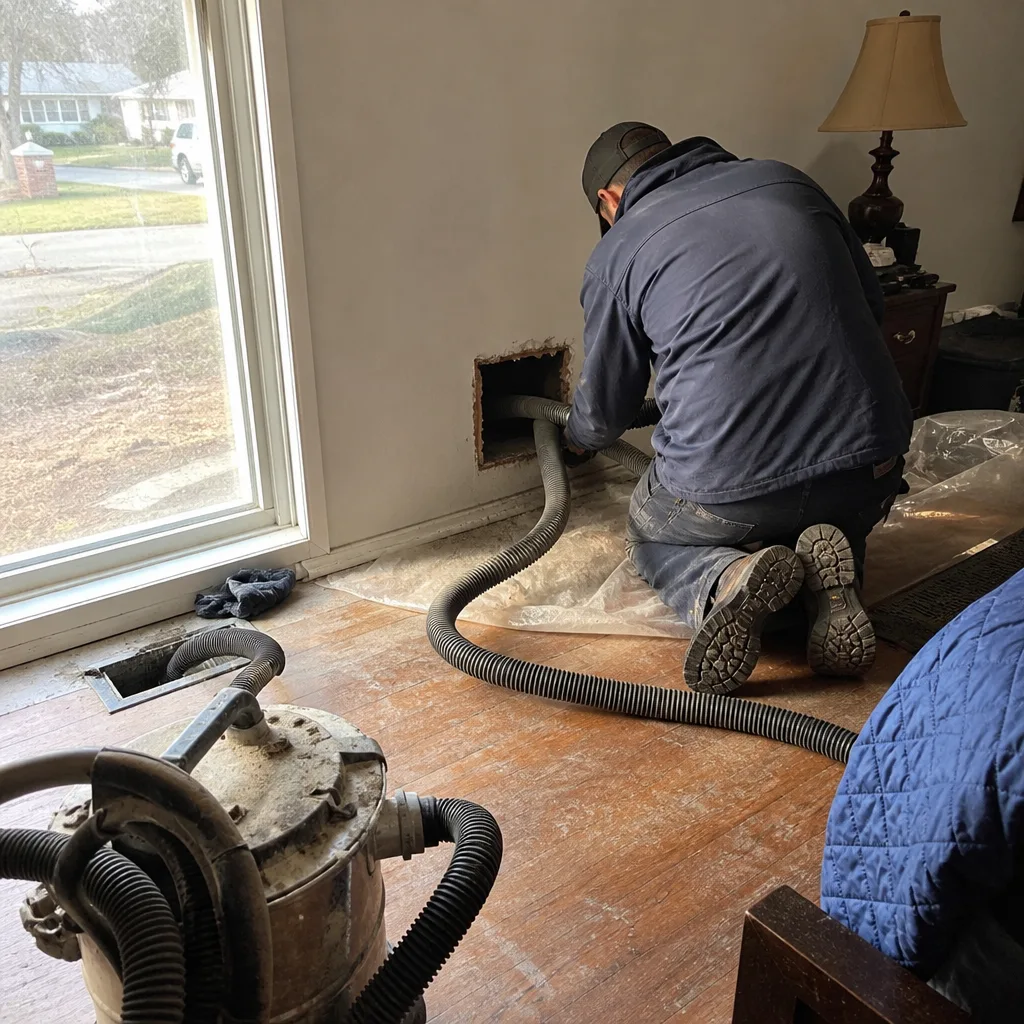
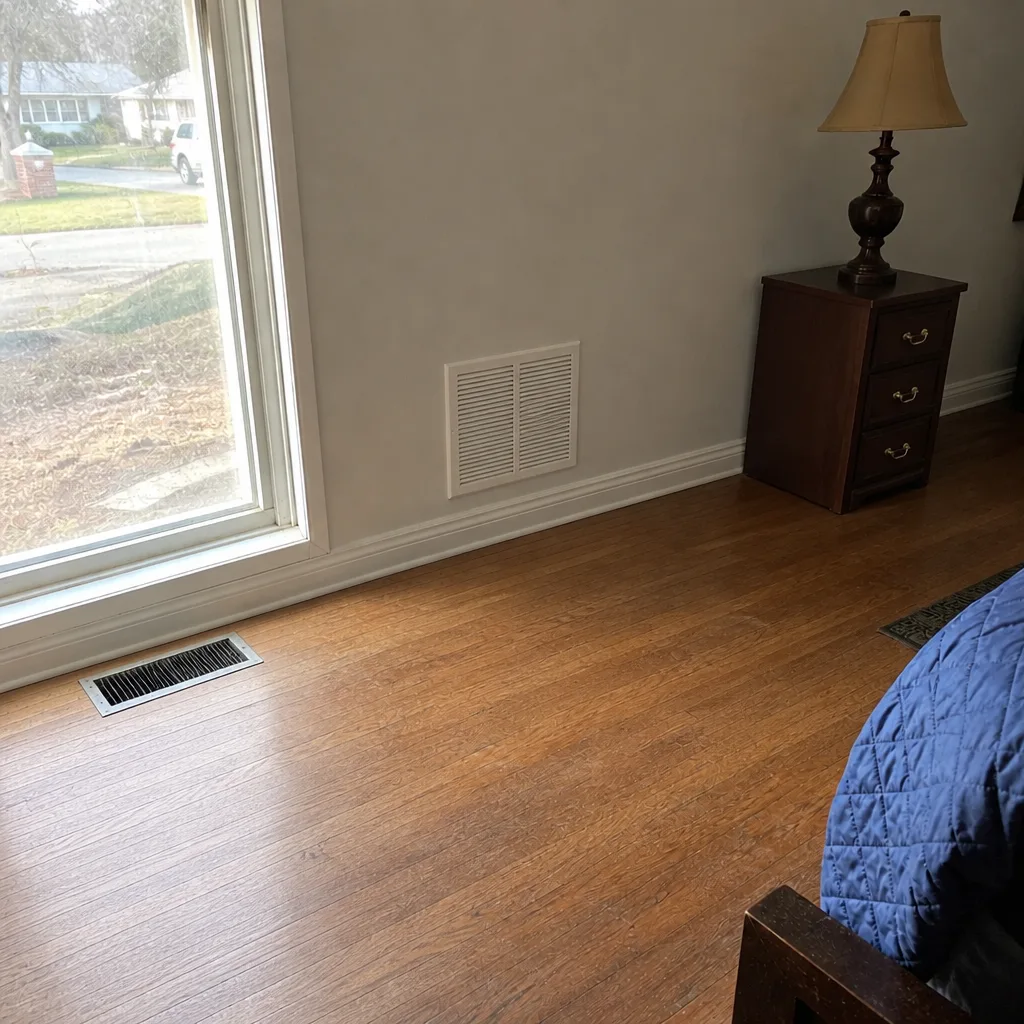
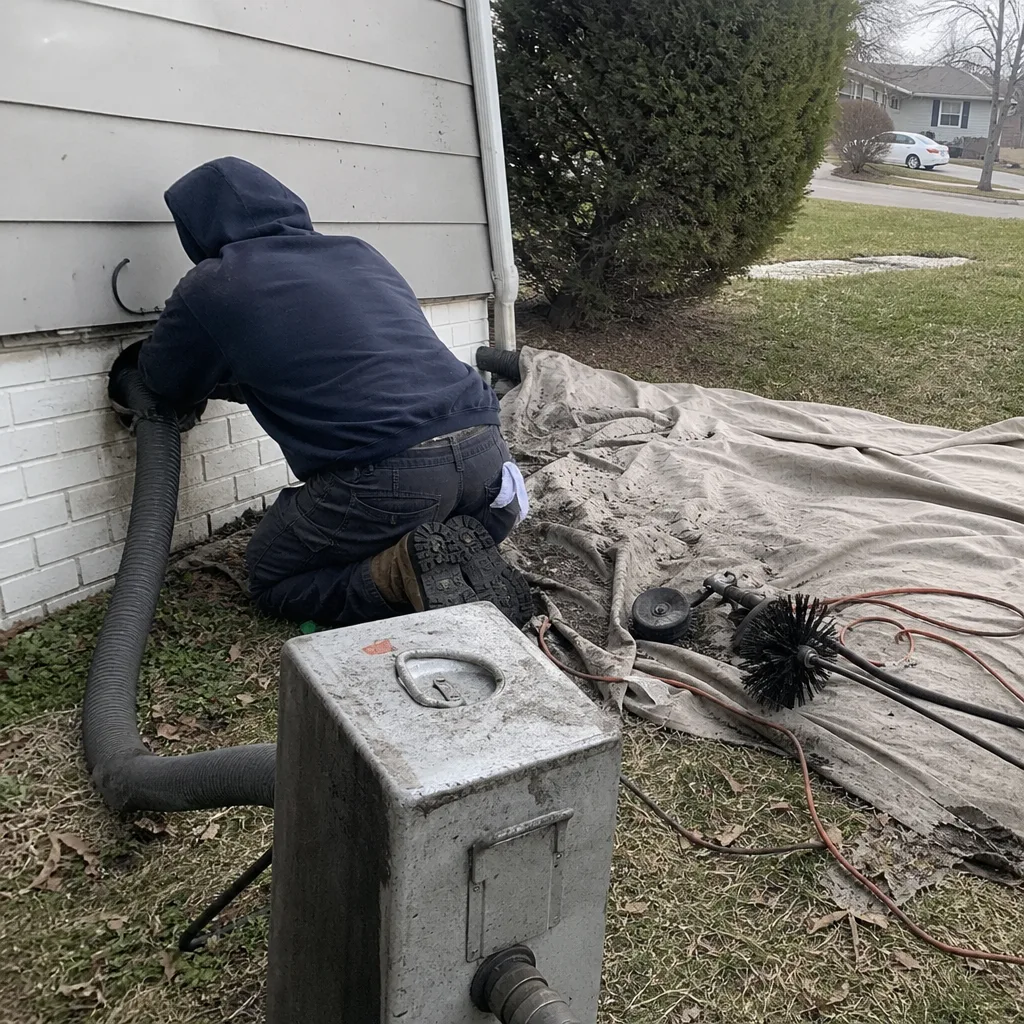
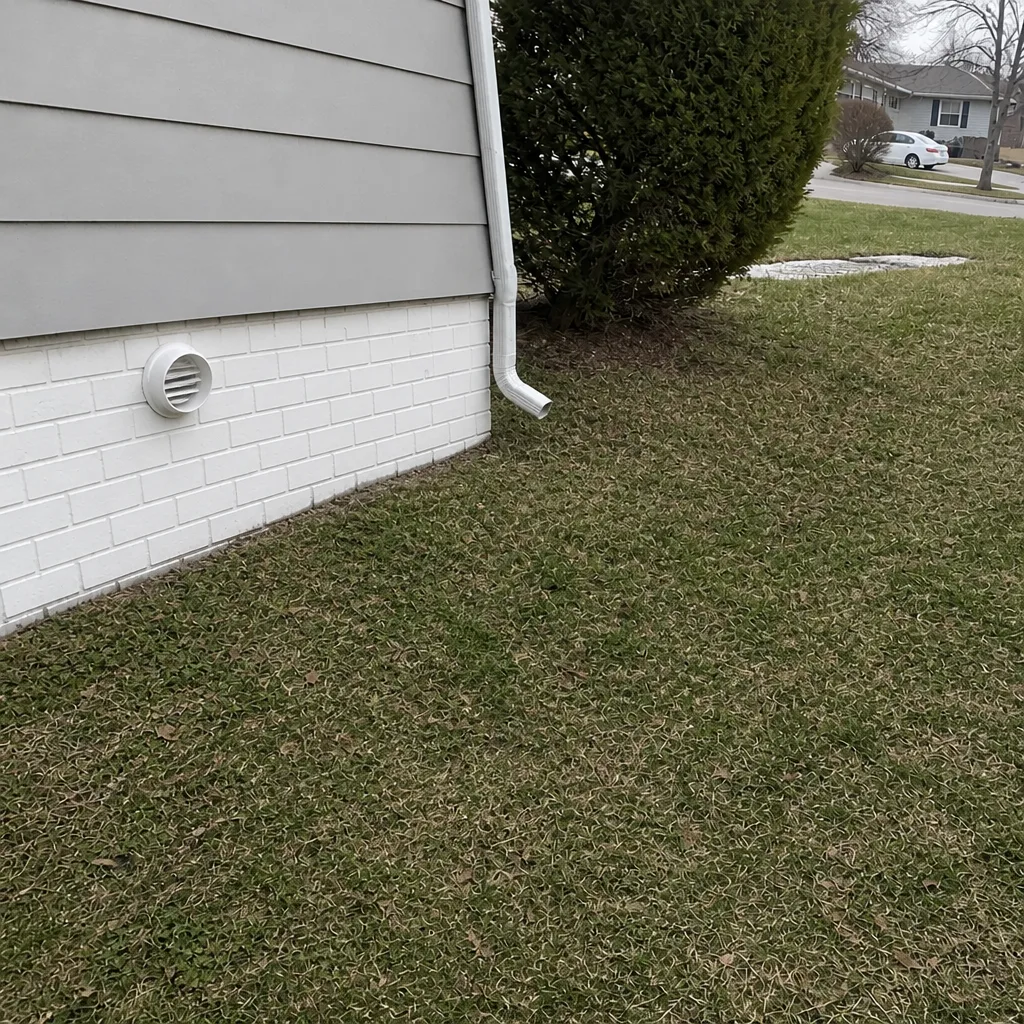
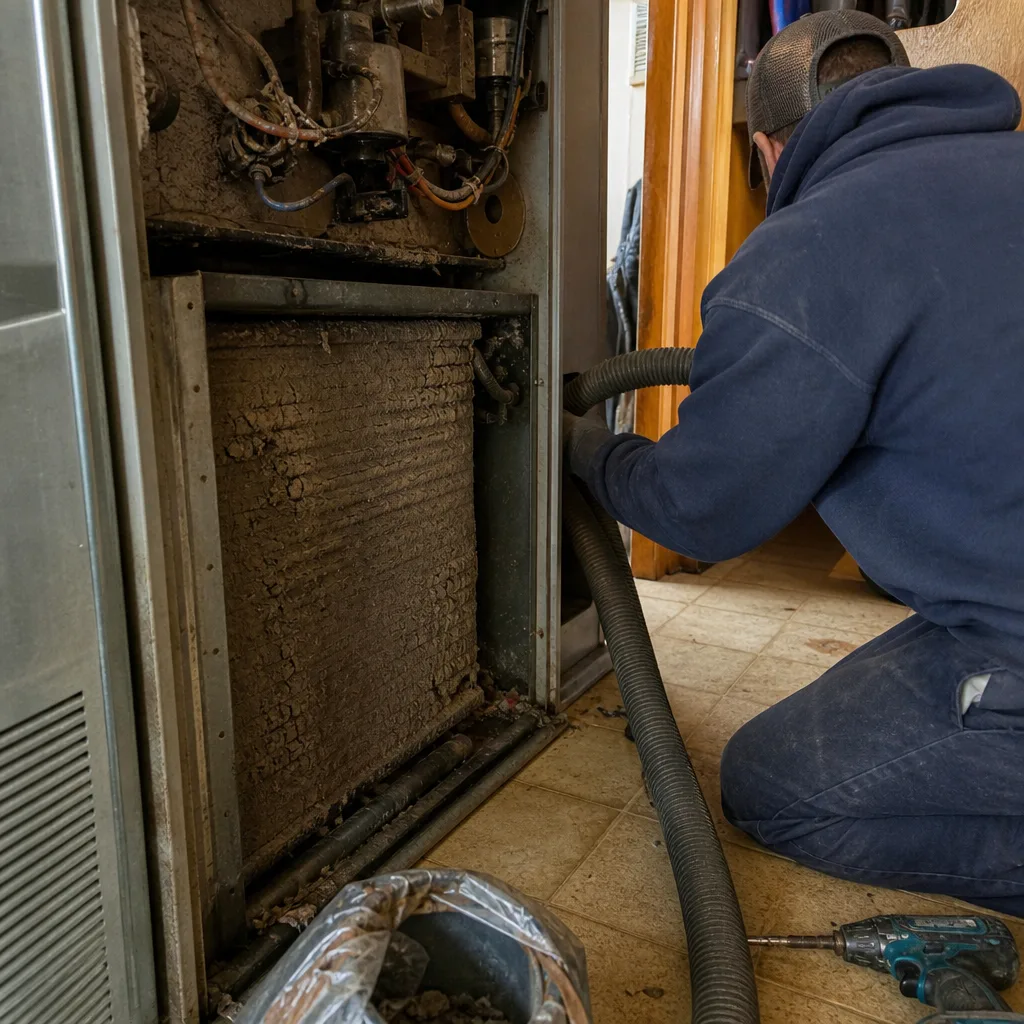
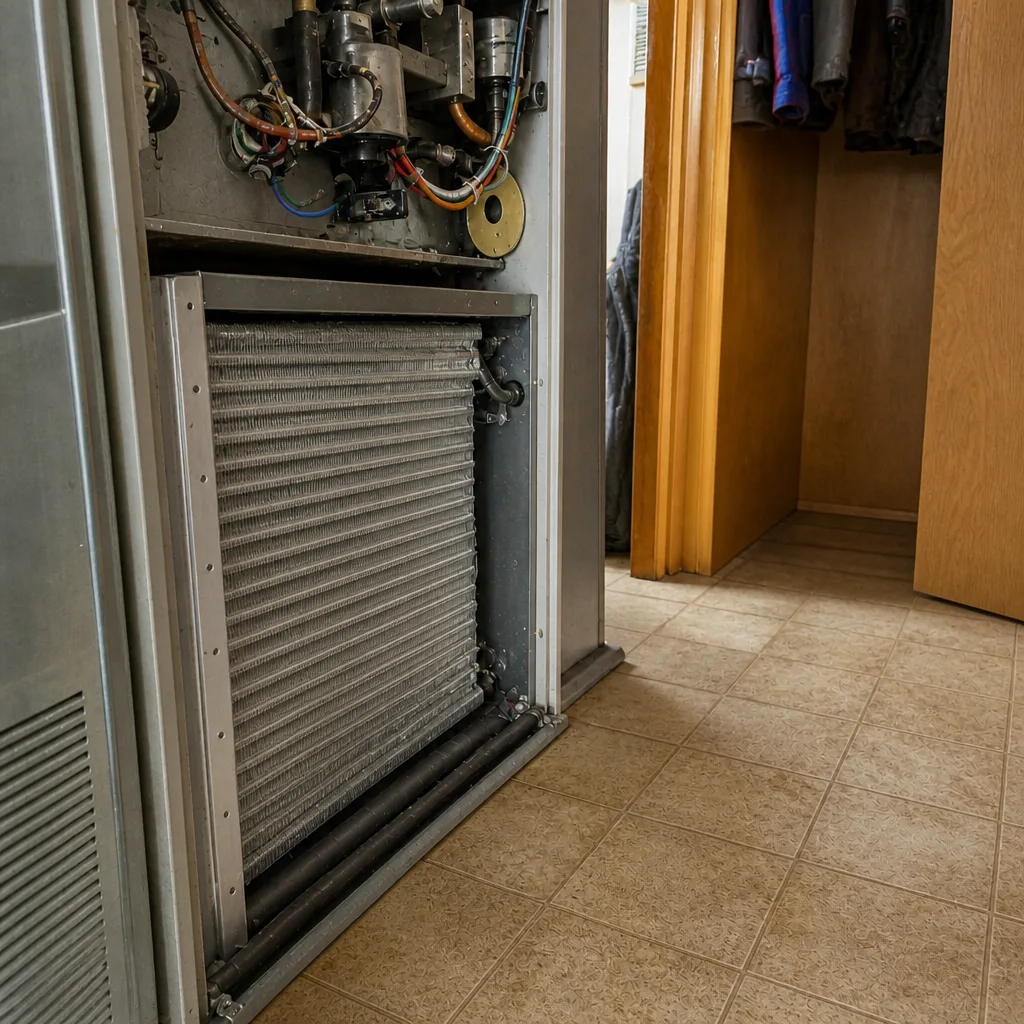
Whole-system duct and dryer vent check with before-and-after photos - you see exactly what came out of your vents
That "$99 whole-house special" is a bait ad - the real number appears once they are in your hallway, or the "clean" is a shop-vac at the register. We photograph the inside of your ducts before and after instead.
Air Duct Cleaning Permits, Codes & Inspections in Taylorsville, UT: What You Need to Know
Here’s the part most homeowners get wrong: the cleaning itself usually needs no permit, but the reason you’re cleaning often does. If ducts were contaminated during a remodel, the duct cleaning has to line up with your contractor’s permit closure, and that step gets skipped constantly. Skip it and you inherit a paper trail problem when you sell the house. In this guide we walk through exactly when duct work in Utah triggers a building permit and when cleaning alone is exempt, how Salt Lake County verification requirements interact with a cleaning after a mold event, what documentation a buyer or home inspector will actually accept, which adopted code sections govern duct installation, and how to handle duct work that falls inside an insurance claim. This is written for Taylorsville homeowners and property managers who want the paperwork to match the work.
Quick Answer
Air duct cleaning by itself does not require a building permit in Utah, because cleaning is maintenance, not construction. A permit is triggered when ducts are added, modified, rerouted, or tied into new equipment, and that work falls under the adopted building and mechanical codes. If the cleaning follows a renovation, a mold event, or an insurance loss, you need documentation from the cleaning company that satisfies the contractor, the county, your insurer, or a buyer.
Styles & brands we work with
- Whole-home duct cleaning
- Dryer vent cleaning
- Camera inspection
- Sanitizing & deodorizing
Table of Contents
- Does air duct cleaning require a permit in Taylorsville?
- When duct work in Utah does trigger a building permit
- Post-remediation verification after a mold event
- What documentation you should receive after cleaning
- The code sections that govern duct installation
- Duct cleaning inside an insurance claim
- Inspections: who looks at what and when
- How Taylorsville housing and climate shape the work
Does air duct cleaning require a permit in Taylorsville?
No. Cleaning an existing duct system is maintenance and does not require a building permit in Taylorsville or anywhere else in Utah. No inspector comes out to watch a rotary brush run through a supply trunk, and no permit number gets issued for extraction work. That holds whether you’re cleaning a single story rambler off Redwood Road or a two-story house near Vista Village.
The confusion comes from mixing up cleaning with alteration. A permit is about construction. Cleaning removes what’s already inside a system. The two only collide when the job involves changing the system itself, and that’s where homeowners get caught off guard after a remodel. A contractor pulls a permit for an addition, finishes the drywall, and the ducts carry a heavy load of gypsum dust and construction debris. Nobody closes the loop on the mechanical side, and nobody documents that the duct system was cleaned after the mess was made.
There’s a second layer worth knowing. Even when cleaning needs no permit, the duct system you’re cleaning has to be built to code for the cleaning to mean anything. Ducts assembled with the wrong sealant, unsupported runs, or sloppy transitions that leak will keep pulling contaminants back into the airstream no matter how well they’re cleaned. Part of what a real assessment does is tell you whether your ducts are worth cleaning as-is, or whether they need repair and sealing first to hold a result. Our air duct cleaning work always starts with that look, because cleaning a leaking system is money spent twice.
If you call a company and the first thing they do is quote a price over the phone without seeing the system, ask how they plan to handle the code side if the inspection turns up a problem. The answer tells you a lot about how they work.
When duct work in Utah does trigger a building permit
Duct cleaning is exempt. Duct construction and modification are not. The line between the two is clear once you know where to look, and it matters most during a renovation when the mechanical scope is being written.
The following situations typically require a building permit in Utah, and in Taylorsville they’re reviewed through the city’s building department under the state-adopted codes:
- Adding new duct runs. Extending supply or return ducts to a new room, an addition, a finished basement, or a converted garage changes the system’s design and usually needs a permit.
- Rerouting or relocating existing runs. Moving a trunk line to clear a beam, or shifting registers for a kitchen remodel, alters the mechanical plan.
- Tying new equipment into existing ducts. Replacing a furnace or air handler with a different capacity often means the duct system has to be rebalanced or resized, and that tie-in is permitted work.
- Changing the duct material or design. Converting a section of flex to rigid, or changing a plenum configuration, is a modification, not maintenance.
- Adding exhaust or make-up air. New bath fans, range hoods, or fresh-air intakes that penetrate the building envelope or tie into the HVAC system usually require a permit.
Here’s the practical takeaway for a Taylorsville homeowner mid-remodel. Ask the general contractor one direct question: is the duct work in this project covered under the permit, or is it considered maintenance? Get the answer in writing. If the duct system was open to a construction zone, arrange cleaning before the drywall phase closes out. Then keep the cleaning record with the permit paperwork. When you sell, that record answers a question buyers ask more often than people expect: was the system cleaned after the remodel, and can you prove it?
Post-remediation verification after a mold event
If mold has grown inside your HVAC system, the cleaning is only half the story. Mold remediation has a verification step, and duct cleaning needs to be sequenced around it. Salt Lake County’s approach to remediation follows the standard industry practice: the work is done according to a written protocol, and then an independent party verifies the result before the space is cleared for occupancy. That verification is where duct cleaning usually enters the picture.
Here’s how a well-ordered mold job typically runs in a Taylorsville home:
- Assessment and protocol. Someone determines the extent of the contamination and writes a scope. This may be a certified remediator or a licensed contractor, depending on the size of the job.
- Containment. The work area is sealed off so spores don’t spread into unaffected rooms during the job. Duct openings get sealed too, because a running air handler is a distribution system for anything airborne.
- Remediation. Affected materials are removed or cleaned, and the source of moisture is fixed. Cleaning ducts without fixing the moisture source just resets the clock.
- Duct cleaning and sanitizing. The duct system is cleaned with HEPA-level extraction and treated for biological contaminants. Most duct cleaners skip the sanitizing step entirely; it’s a separate service for a reason.
- Post-remediation verification. An independent verifier confirms the work meets the protocol. If your duct cleaning came before this step and the verifier finds residual contamination in the system, the job isn’t closed.
The mistake we see most often is a homeowner booking duct cleaning first and remediation second. Cleaning before the moisture problem is fixed, or before containment is set up, simply spreads contamination and forces a second cleaning. If you’re dealing with mold, tell the cleaning company upfront. Ask whether they use containment equipment during extraction. We run Abatement Technologies HEPA containment on-site specifically so dislodged particles don’t recirculate through the house during the cleaning.
What documentation you should receive after cleaning
A duct cleaning you can’t document is a duct cleaning a home inspector can’t verify. That matters in Taylorsville, where plenty of housing stock is old enough to carry a disclosure question, and buyers are increasingly asking for service records before closing. A professional cleaning should leave you with a paper trail, not just a receipt.
Ask for the following, and expect a legitimate company to provide it without a fuss:
- Before-and-after photos of your own ducts. Not stock images. Photos of the supply trunk, the returns, and the air handler interior taken during the actual visit.
- A written scope of work. What was cleaned, what method was used, and which components of the system were covered. Cleaning the visible registers is not the same as cleaning the trunk lines and plenum.
- The cleaning method and equipment used. Rotary brush agitation plus HEPA extraction is the standard. A shop-vac on a hose is not, and naming the method lets an inspector confirm the work was done to a professional standard.
- Condition notes. Anything the technician found that needs attention: disconnected joints, crushed flex, mold growth, or an undersized return. That record protects you if a problem gets worse later.
- Any permit number if one was required. If the ducts were modified as part of a project, the permit number ties the cleaning to the inspection record.
- Sanitizing documentation if it was performed. Product used and areas treated, if biological treatment was part of the service.
If you’re selling, keep that package with your home maintenance records. It answers the disclosure question directly: the system was cleaned, this is when, this is by whom, and this is what it looked like. If the buyer’s inspector raises a duct or air quality concern, the record is your response. Our HVAC cleaning visits generate the same documentation, and if you’re a property manager with multiple units, keep one folder per address.
The code sections that govern duct installation
Utah adopts model codes rather than writing its own duct standards from scratch. The International Residential Code and the International Mechanical Code, as adopted by the state and enforced by the city, set the requirements for how duct systems are installed. You don’t need to memorize them. You do need to understand what they cover, because noncompliant ductwork can make a cleaning pointless.
The relevant provisions generally address:
- Duct sealing. Joints and connections on supply and return systems have to be sealed to limit leakage. A system with unsealed joints leaks air into walls and crawlspaces, which means it also pulls dust and moisture back in.
- Support and sag. Flexible duct has a support spacing requirement to prevent sags. A sagged run collects dust at the low point and reduces airflow.
- Clearances to combustibles. Duct passing near a furnace or water heater has to maintain proper clearance. This is a life-safety item, not a comfort item.
- Duct materials and closures. The code specifies approved materials and closures. Tape that fails in a hot attic, or a material not approved for the application, is a code issue and a leak waiting to happen.
- Return air paths. Undersized returns or a return pulled from a contaminated space (a garage, a crawlspace, an unconditioned attic) create pressure problems and air quality problems at once.
Why this matters to a cleaning: if your return is drawing from a space it shouldn’t, or a duct run is disconnected and venting into a crawlspace, cleaning the visible ducts is treating a symptom. Any inspector who looks at the system after the cleaning will note the defect, and you’ll be back where you started. Part of what a professional assessment before cleaning should do is flag code-related defects that affect the result. If the ducts need repair and sealing to hold a clean result, our dryer vent cleaning and duct repair work covers that in the same visit, so you’re not hiring a second contractor to fix what the first one found. If you’re ever unsure whether a specific duct change needs a permit, call Taylorsville’s building department directly. The answer is free and it’s definitive.
Duct cleaning inside an insurance claim
Duct cleaning is often part of a larger property insurance claim after a fire, a water loss, or a smoke event. In that situation the cleaning has to be scoped and documented to satisfy the adjuster, not just the homeowner, and the difference between a claim that gets paid and one that gets argued comes down to paperwork.
What adjusters typically want to see:
- A written scope before the work starts. What’s being cleaned, why, and how the scope was determined. A one-line invoice saying “duct cleaning” tells the adjuster nothing.
- Photos of pre-existing condition and the completed work. Before-and-after images of the same components.
- The connection to the loss. Documentation tying the duct contamination to the covered event (smoke residue in the supply system after a kitchen fire, for example) rather than to routine dust.
- The method and equipment used. HEPA extraction and containment matter here because they demonstrate the work actually removed contamination rather than redistributing it.
- Any sanitizing or biological treatment. Itemized separately, with the product and areas treated.
We can work with your insurer and provide documentation in the format your adjuster needs. What we can’t do is tell you what your policy covers. That conversation is between you and your adjuster, and for a large loss, it’s worth understanding your policy language before the work begins. A fire or flood claim in a Taylorsville home often also involves the HVAC system, duct sealing, and follow-on air quality work. Get the scope in writing first, then the cleaning, then the documentation package. In that order.
Inspections: who looks at what and when
Several different people can look at your duct system, and each one is checking something different. Knowing who does what prevents the surprise of a failed inspection at the worst possible moment.
- The city building inspector. Looks at permitted duct construction and modification. Confirms it matches the approved plan and the adopted code. Not involved in routine cleaning.
- The home inspector during a sale. Reports on visible conditions: disconnected ducts, crushed flex, signs of moisture, and whether the system looks maintained. A cleaning record without supporting documentation doesn’t satisfy this inspection.
- The post-remediation verifier after a mold event. Confirms a remediation protocol was followed and the space is clear. Duct cleaning is part of the protocol, and verification comes after it.
- The insurance adjuster. Reviews the scope, photos, and loss connection before approving payment.
- The duct cleaning company’s own assessment. The first inspection of any job. A professional assessment happens before the equipment comes in, and it should include the air handler, the plenum, the trunk lines, and the returns.
If a cleaning company shows up, cleans registers only, and hands you a receipt, three of the five checks above are not going to be satisfied by what you receive. That’s the practical argument for treating the cleaning as an inspection too: the record has to stand up to whoever looks at it next.
How Taylorsville housing and climate shape the work
Taylorsville sits in the Salt Lake Valley, and the local conditions are worth knowing if you’re weighing whether to clean. The valley’s winter inversions trap fine particulate in the air for extended stretches, and homes near the I-215 corridor and Redwood Road pull that fine dust into the return system over time. Add a dry summer with heavy dust from the west, and the return-side of many Taylorsville systems loads up faster than the homeowner expects.
The housing matters too. A lot of Taylorsville’s housing stock dates to the 1970s and 1980s, which means flex duct runs that have had decades of thermal cycling, taped joints that have aged out, and air handlers that don’t match the duct system they were connected to. In a house built in that era, cleaning without a look at duct condition is a partial job. Old tape fails, sagged runs collect, and a disconnected joint dumps conditioned air into a crawlspace.
Contractor renovations are common here as homeowners finish basements and add square footage. That’s when the permit question matters most. If you’ve finished a basement off Hillcrest, or converted a garage, and the ducts served the construction area, the cleaning should follow permit closure and show up in your records. Our technicians have up to 13 years of experience with systems like these, and our dryer vent cleaning and repair work covers the related paths in the same visit. When we clean, we run Rotobrush rotary brush systems and Nikro HEPA extraction, and we set up Abatement Technologies containment so the dust we dislodge doesn’t end up on your furniture. For customers who want a lasting air quality improvement after the cleaning, we also install Aprilaire and Honeywell solutions, which are separate from the cleaning itself.
Common Mistakes to Avoid
- Cleaning during the remodel instead of after. Clean ducts before drywall dust settles and you clean them twice. Wait until construction debris is captured, then clean and document the result with the permit close-out.
- Skipping the duct cleaning record when you finish a permitted project. A permit isn’t closed until the work is inspected, and the duct cleaning record belongs in that file. Lose the record and you lose the ability to prove the work was done.
- Cleaning after a mold event before remediation is verified. Cleaning before the moisture source is fixed or before containment is set up spreads contamination. Sequence remediation, then cleaning, then verification.
- Accepting a register-only cleaning. Cleaning the visible covers and not the trunk lines, plenum, and returns is not a full-system cleaning, and it won’t satisfy a home inspector or an adjuster.
- Ignoring code-defective ductwork. Sagged, unsealed, or improperly supported runs undermine the result. A cleaning can’t fix ductwork that isn’t installed correctly.
- Handing an adjuster a one-line invoice. Insurance documentation needs scope, photos, method, and the connection to the loss. Ask for that package up front on a claim job.
- Assuming a permit covers the cleaning. A permit covers construction. If the contractor’s permit is for the remodel, the cleaning is your job to arrange and record, and the two need to line up.
See the difference
 Before
 After
 Before
 After
 Before
 After
When to Call a Professional
Call a professional when the ducts followed a remodel or a mold event, when you’re in the middle of an insurance claim, when you’re selling and a buyer’s inspector raised a duct concern, or when airflow has dropped, odors have appeared, or the system hasn’t been cleaned in a long time. Those situations all need documentation as much as they need cleaning, and documentation is the part that’s easy to forget. If you’re unsure whether your situation is a permit question or just a cleaning, ask. The answer is usually quick, and it’s better to know before the work starts. Taylorsville Air Duct Cleaning offers free estimates in Taylorsville. We answer 24/7. Call (855) 658-5265. Fast dispatch from 7am to 7pm, Sunday through Friday.
Frequently Asked Questions
No. Air duct cleaning is maintenance and does not require a building permit in Taylorsville or anywhere in Utah. A permit is only triggered when ducts are added, modified, rerouted, or tied into new equipment. If you’re in the middle of a remodel, ask your contractor whether the duct work in the project is under their permit or falls outside it. Call (855) 658-5265 if you want an assessment of your system before you book a cleaning; estimates are free.
Wait until the bulk of construction debris is contained, then clean before the final walkthrough and permit close-out. Cleaning mid-remodel means the ducts get dirty again after you finish. The ideal sequence is construction, cleaning, then documentation that lives with your permit records. Call (855) 658-5265 to talk through the timing for your project; estimates are free.
Ask for before-and-after photos of your own ducts, a written scope of the work, the method and equipment used, condition notes, and any sanitizing record if that was done. That package answers a buyer’s disclosure question directly. Keep it with your home maintenance records. Call (855) 658-5265 for a free estimate and we’ll explain what documentation you’ll receive.
Yes. Mold remediation follows a written protocol and is verified by an independent party before the space is cleared, and the duct cleaning needs to fit that sequence. Cleaning before the moisture source is fixed or before containment is set up simply spreads contamination. Tell the cleaning company upfront that you’re dealing with mold so the job is scoped and sequenced correctly. Call (855) 658-5265 to discuss a mold-related cleaning.
That depends on your policy, so check with your adjuster. What determines whether a claim gets paid smoothly is documentation: a written scope before the work starts, before-and-after photos, the connection to the covered loss, and the method used. We can work with your insurer and provide documentation in the format your adjuster needs. Call (855) 658-5265 for a free estimate and to discuss the scope for a claim job.
You should see before-and-after photos of your own system, not stock images, and a written record of what was cleaned and how. Cleaning the visible registers only is not a full-system cleaning. If you’re not sure what was covered, ask for the scope in writing and compare it to the components in your home. Call (855) 658-5265 for a free estimate and a clear explanation of what a full-system cleaning includes.
The Bottom Line
Duct cleaning rarely needs a permit in Taylorsville, but the reasons you want it cleaned often arrive with code-related work attached. When a remodel, a mold event, or an insurance claim is behind the cleaning, the paperwork is part of the job: permit close-out after construction, remediation verification after mold, a documented scope for an adjuster, and before-and-after photos for a buyer. Clean ducts without documented proof are hard to use when you need them. If you want the cleaning done right and the record to match, call Taylorsville Air Duct Cleaning at (855) 658-5265 for a free estimate. We answer 24/7. Fast dispatch from 7am to 7pm, Sunday through Friday. Visit Taylorsville Air Duct Cleaning to see how we scope full-system work.
Written by the team at Taylorsville Air Duct Cleaning.