
Last updated November 23, 2026
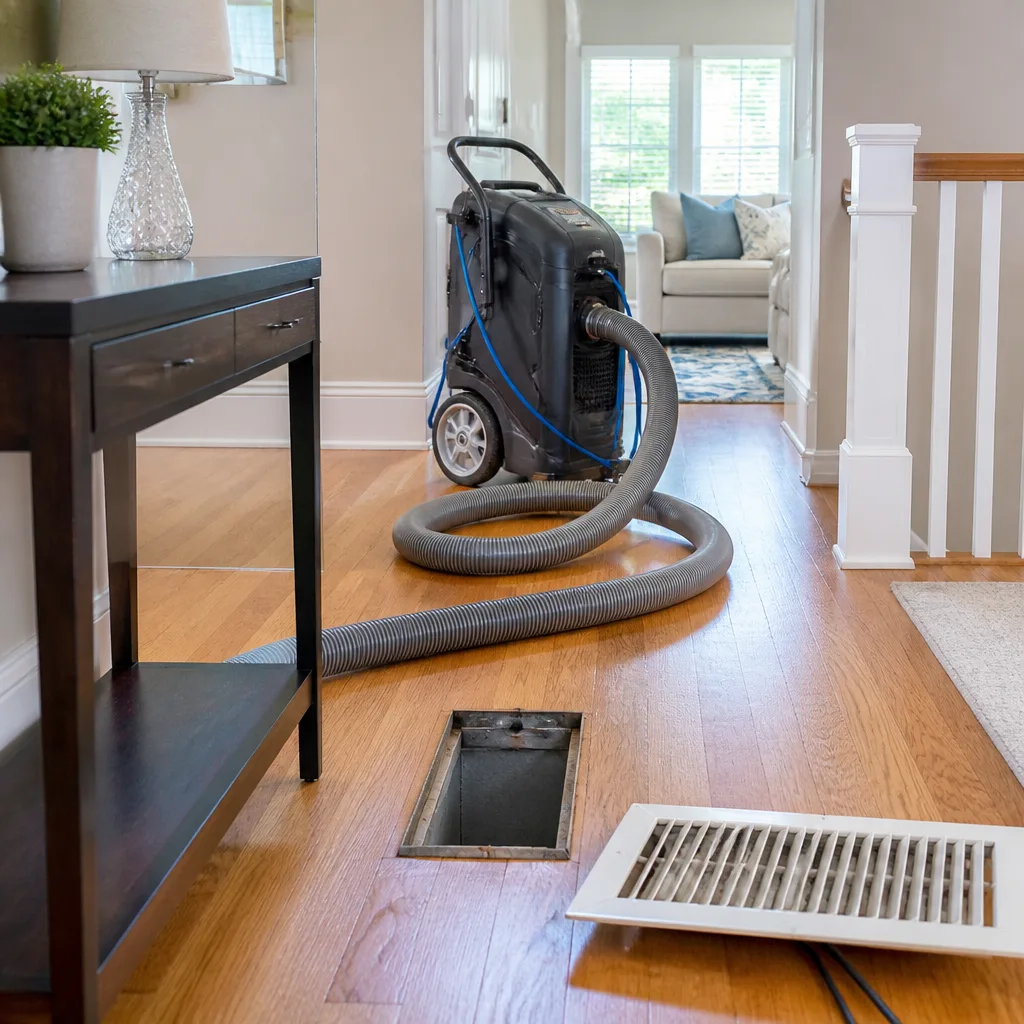 Whole-home duct cleaning
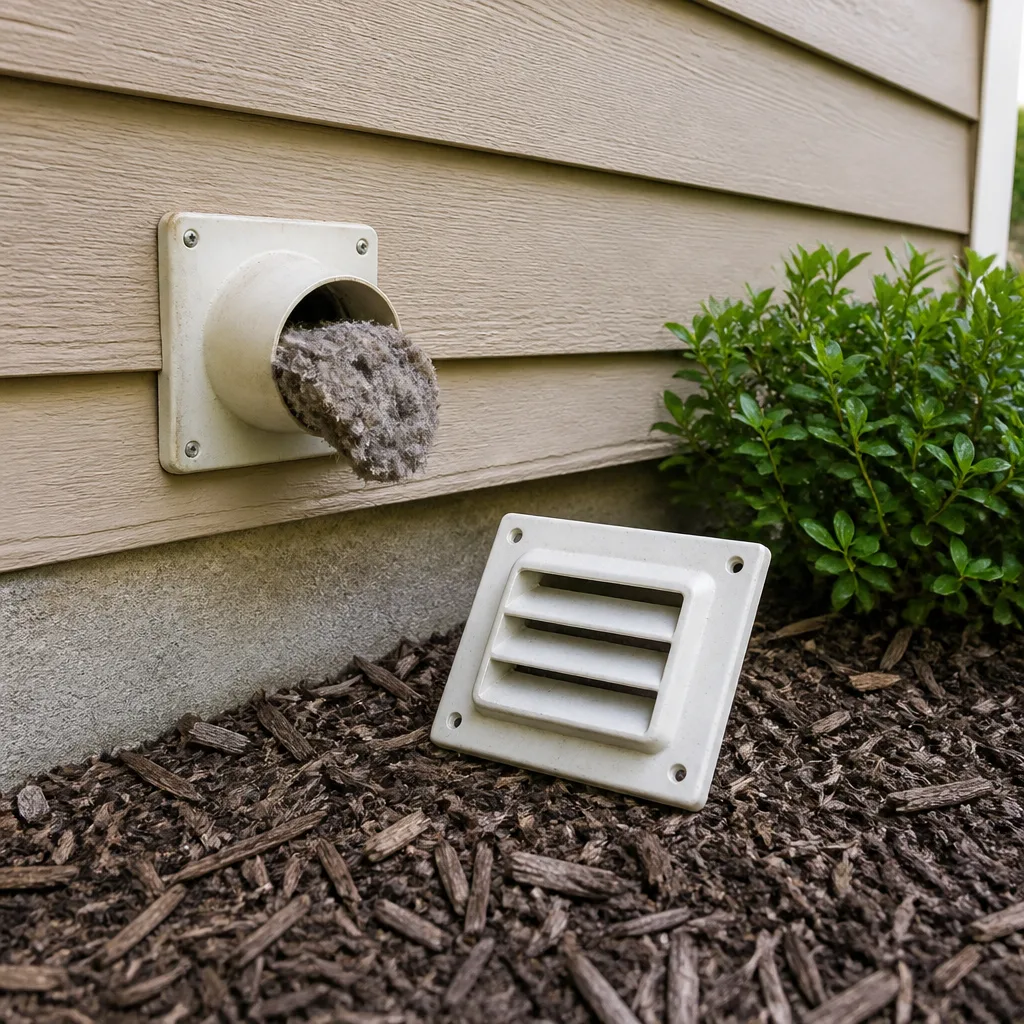 Dryer vent cleaning
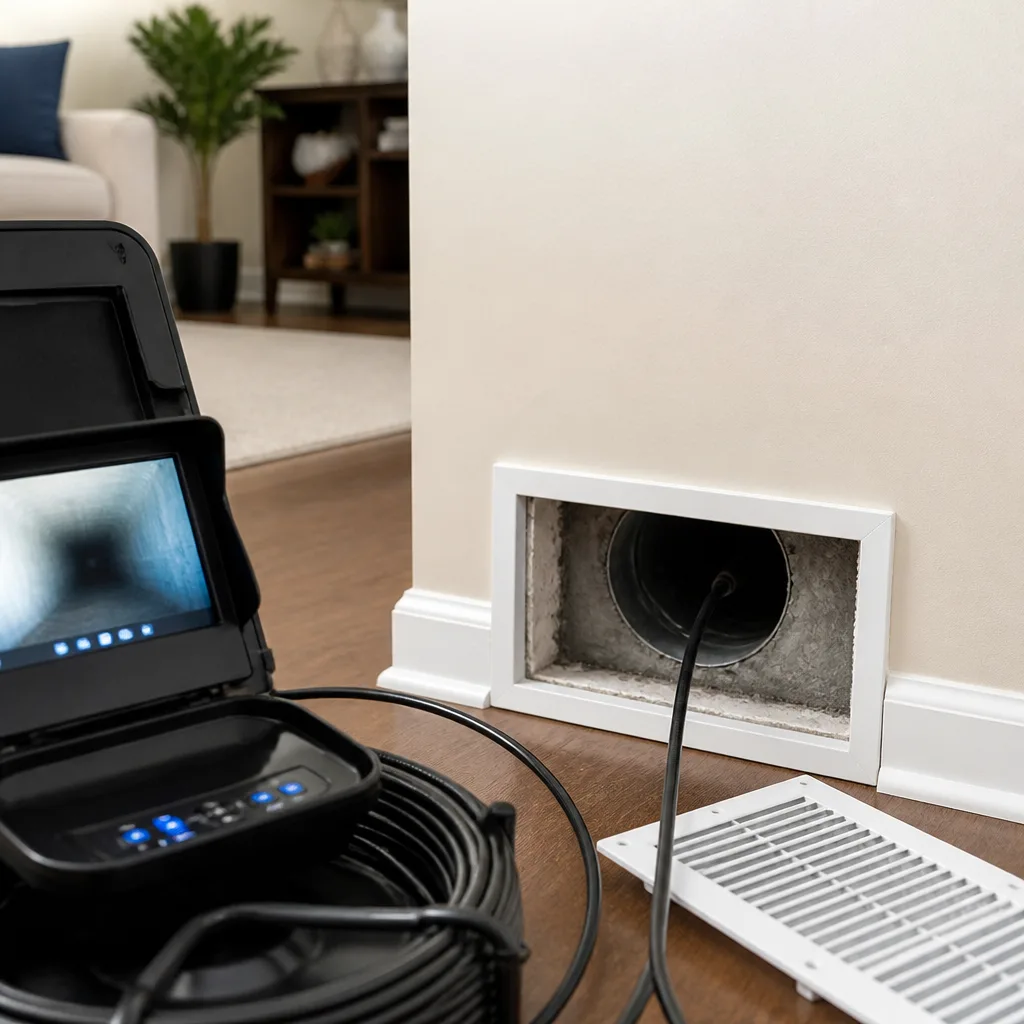 Camera inspection
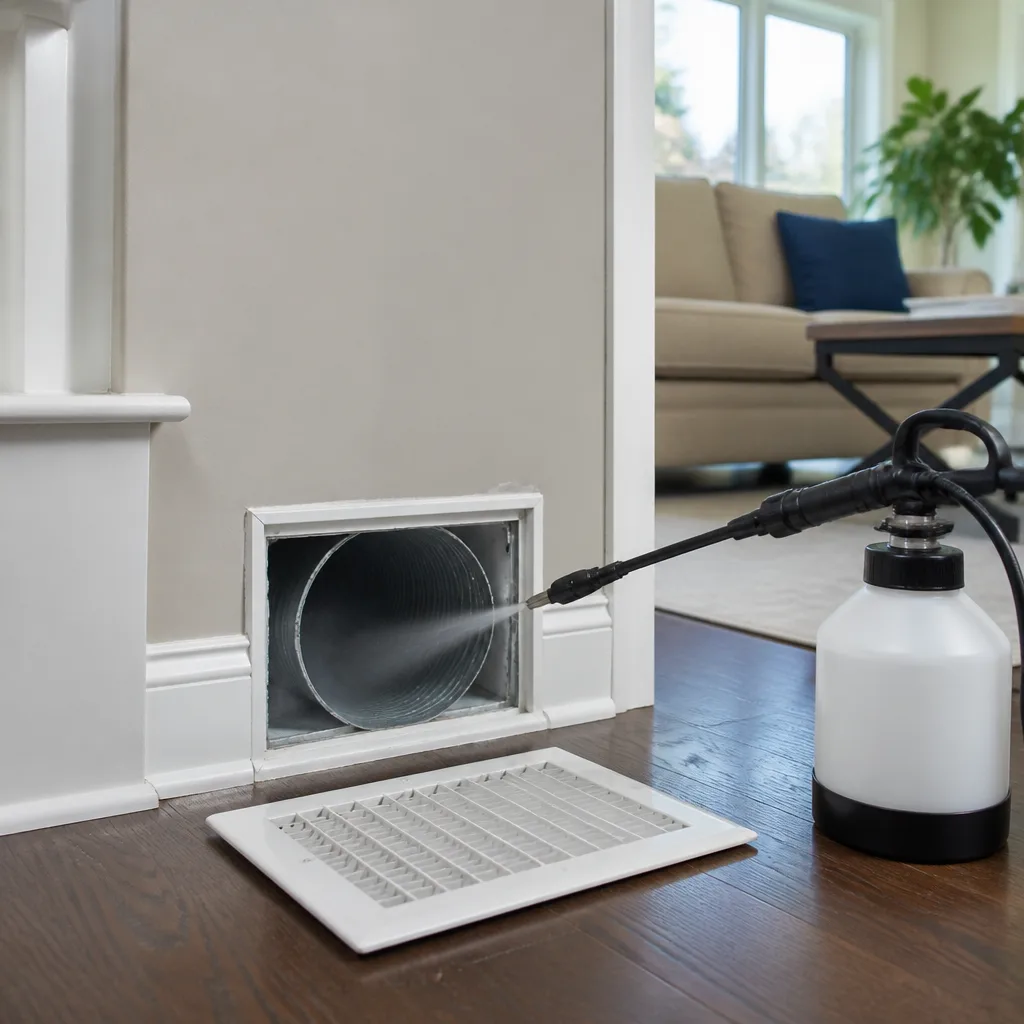 Sanitizing & deodorizing
Whole-system duct and dryer vent check with before-and-after photos - you see exactly what came out of your vents
That "$99 whole-house special" is a bait ad - the real number appears once they are in your hallway, or the "clean" is a shop-vac at the register. We photograph the inside of your ducts before and after instead.
Choosing the Right Air Duct Cleaning Brand: A Buyer’s Guide for Taylorsville
Duct cleaning in Taylorsville is a low-barrier trade. Anyone with a license, a vacuum and a website can print a logo on a magnet and call themselves a brand, and that reality makes the marketing harder to read than most homeowners expect. The name on the truck tells you almost nothing about the machinery inside it. A national franchise that carries serious equipment in one market can run shop-vac-grade vacuums through a Taylorsville house, and a small independent operator can invest in commercial-grade extraction that clears every branch of your system. This guide explains which variables actually predict cleaning quality, how to spot them in a company’s answers and reviews, and why the loudest advertiser and the cheapest quote are usually different companies from the one that does the job properly.
Quick Answer
The right air duct cleaning brand in Taylorsville isn’t the one with the biggest name recognition or the lowest sticker price; it’s the company that will tell you its vacuum class, its brush platform and its inspection process before you book, and back that up with before-and-after documentation. Equipment class and technician training are what separate a real full-system clean from a surface pass, and most advertising doesn’t communicate either one clearly. Judge the company on those two variables, not on the logo.
Styles & brands we work with
- Whole-home duct cleaning
- Dryer vent cleaning
- Camera inspection
- Sanitizing & deodorizing
Table of Contents
- Why the brand name is a poor proxy for quality
- The four variables that actually predict cleaning quality
- What the franchise model does to equipment investment
- Three legitimate signals of an equipment-serious local company
- How to read reviews critically
- Why the cheapest and most-advertised aren’t the best
- The questions to ask before you book
- Common mistakes to avoid
Why the Brand Name Is a Poor Proxy for Quality
National duct cleaning franchises carry real name recognition built over years of regional advertising, and that recognition is why many Taylorsville homeowners start their search with a familiar logo. The trouble is that duct cleaning franchises are almost universally structured as independently owned operations, and each one owns its own equipment and trains its own technicians. A brand that standardizes its logo, its service menu and its pricing sheet has no equivalent standard for what’s parked in the driveway. The same franchise identifier in two different markets can mean entirely different vacuum systems, different brush tooling and different inspection practices.
Equipment is also expensive, and volume models price around it. A commercial-grade rotary brush platform and a matched HEPA extraction unit represent a substantial capital outlay, and a franchise built on high call volume with layered upsells is economically incentivized to recover that cost in add-ons rather than in the base price. Independent operators who build their reputation on the quality of the finished job tend to invest the other way.
What this means for a Taylorsville buyer is practical: the brand on the vehicle should be treated as neutral information, not a quality signal. The variables that matter are inspectable and specific. Here in Taylorsville, we’ve found that a two-minute conversation about vacuum class tells you more about a company than any logo on a website, and you can run that conversation with any provider, franchise or independent.
The Four Variables That Actually Predict Cleaning Quality
Duct cleaning outcomes come down to four technical questions. Vacuum system class determines whether dislodged debris leaves the house or settles back into the ductwork. Brush system type determines whether caked-on dust and biological growth gets physically agitated off the walls or merely disturbed. Inspection capability determines whether the company can show you the condition before and after. Technician training and certification round out the picture. If a company can’t answer all four clearly, it either doesn’t have the equipment or doesn’t understand it.
1. Vacuum system class (CFM rating)
Duct cleaning vacuums are rated in cubic feet per minute (CFM). A consumer shop vacuum moves air, but it can’t sustain enough negative pressure to hold duct debris in suspension and pull it out of a long run. Professional duct cleaning platforms are designed to do exactly that, and they typically filter down to very fine particles via HEPA-level filtration. Ask the company its CFM rating and its filter class. A provider that can’t tell you is either using consumer equipment or hasn’t bothered to learn its own tools.
2. Brush system type
Rotary brush systems use powered brush heads that physically scrub duct walls, and they’re the same class of tooling used in commercial duct cleaning. Handheld whips and air-only tools disturb surface dust but struggle with adhered buildup. The brush platform matters especially in older Taylorsville homes where years of dust have bonded to galvanized runs.
3. Inspection camera capability
A pre-job inspection camera lets the company see the inside of the system, photograph its condition, and show you what the cleaning will address. It also turns a vague sales pitch into a specific, defensible job scope.
4. Technician certification and training
NADCA (the National Air Duct Cleaners Association) is the recognized industry body for duct cleaning standards, and technicians who’ve completed its certification have at least been trained in what a proper clean involves. Ask whether the crew sent to your home holds certification, and whether the company follows NADCA’s assessment and cleaning standards.
What the Franchise Model Does to Equipment Investment
A duct cleaning franchisee pays for the brand, the marketing, and often a royalty on each job. That structure is legitimate, and plenty of franchise operators do careful work. But the model prioritizes volume and a consistent upsell structure, because that’s what the franchise system is built to generate. Equipment investment competes for the same capital as franchise fees, and when a franchisee runs several crews and a large ad budget, the cheapest vacuum system that clears the minimum job often wins.
That’s not a slur on franchise businesses; it’s an explanation of incentives. A high-volume model needs equipment that’s fast and cheap enough for many jobs a week. An independent model that competes on the quality of each clean can justify expensive tooling because it does fewer jobs at higher standards.
The questions that reveal which model a Taylorsville company operates under are straightforward:
- Who owns the equipment? A company that owns its vacuum and brush platform tends to know it well; one that rents or leases its machinery often doesn’t.
- How is the company structured on upsells? Ask what’s in the base price versus what’s an add-on. Some add-ons are legitimate; a base price that strips out the core cleaning is not.
- Who actually does the work? Ask whether the crew performing the clean is on the company payroll or a contracted crew assembled on the day.
- Can they describe the process in systems terms? A company that understands its equipment describes the process in technical steps; one that doesn’t describes it in slogans.
Three Legitimate Signals of an Equipment-Serious Local Company
The good news is that equipment-serious companies are easy to spot if you know what to look for, and the signals are consistent. They aren’t marketing claims; they’re operational habits that take real investment to maintain. In Taylorsville, the providers worth your time show all three, and here’s what each one tells you.
Signal 1: Willingness to discuss CFM ratings
A company that can cite its vacuum system’s CFM rating and filter class has thought about whether its equipment is appropriate for your ductwork. That kind of transparency is also a teaching tool: a technician who can explain why a particular vacuum class matters is, by extension, the kind of technician who explains what else is happening on your job.
Signal 2: Pre-job camera inspection included in the base price
A camera inspection included in the standard price is the single best indicator that a company intends to clean to the actual condition of your system, not to a fixed package. That matters in Taylorsville homes, where duct condition varies with the age, layout and previous remodeling history of the house. Ask whether the inspection is part of the estimate or an add-on line item.
Signal 3: Before-and-after documentation as standard practice
Before-and-after photos of the actual system that was cleaned, not stock photos on a website, are the difference between a company proving its work and asking you to take its word. Ask for the documentation before the job, not after. A provider that photographs the ducts before cleaning and again after has committed, in writing, to a visible standard of proof.
How to Read Reviews Critically
Reviews are useful, but only when you read for specific content rather than aggregate count. A five-star review that says “great service, very professional, would call again” tells you the customer’s experience was pleasant and says nothing about whether the ducts were actually cleaned. The reviews that matter are the ones that mention specifics: a camera inspection, photos of the before-and-after, descriptions of what the debris looked like, or explanations of what the technician found and why it needed attention.
Read for the following language in the body of reviews, not in the ratings:
- Mentions of “camera” and “photos” are direct evidence the company documents its work.
- “X_ showed me the dust” or a description of the debris type, like “drywall dust” or “construction debris,” indicates the customer saw the system’s actual condition.
- “Explained the process” or “walked me through it” indicates a technician who teaches, not just performs.
- Warnings to watch for: “quick and easy,” “fast,” “cheap,” “in and out in under an hour,” or complaints about a price that grew between the quote and the invoice.
Also read the negative reviews for pattern. A single complaint can be one difficult job; a pattern of complaints about pressure upsells, dust left settling after the job, or quotes that ballooned on-site is a structural problem. In Taylorsville and across the valley, customer experience on the day of the service usually predicts whether the actual cleaning was a full-system job or a surface pass.
Why the Cheapest and Most-Advertised Options Aren’t the Best
Air duct cleaning has two pricing ecosystems in the Taylorsville market: the heavily advertised low-cost package, and the price quoted for the actual condition of a home’s system. These are rarely the same number from the same company, and the reasons are honest ones.
Advertising is expensive. A company that spends heavily to reach you must either raise its prices or cut its costs elsewhere, and the cheapest place to cut in duct cleaning is equipment and labor time. That’s why the most-advertised company in a market often isn’t the one with the best equipment. Meanwhile, the lowest advertised price is often a teaser that covers a limited portion of the system, or a basic surface pass, with the actual full clean added as a line item once the technician is on site. The customer gets a clean that looks done without knowing what was actually missed.
The way to find the highest-quality option without using ad spend as a proxy is to shop for the equipment answer, not the brand name. Search for the four variables in this guide (vacuum class, brush platform, inspection, certification), call two or three companies with those questions, and compare the answers rather than the price alone. The company that gives you the most detailed, specific answer is usually the one that invested in the answer. That’s the operator worth booking for your Taylorsville home, whatever the truck says.
The Questions to Ask Before You Book
You can turn the four variables into a short interview you run before you book any provider. Two minutes on the phone with each of two or three companies will tell you more than any website. Use this list and compare the answers side by side.
- What vacuum class and CFM rating do you use, and what filter class does it reach? A prepared company answers quickly; an unprepared one deflects or gets vague.
- What brush system do you use, and is it rotary or hand tooling? Rotary is the commercial standard; hand tooling has its place but isn’t a full-system clean.
- Is a camera inspection part of the base price, and will I see the footage or photos? “Yes, included” is the answer you want, and “we show you the photos” is even better.
- Are your technicians NADCA-certified, and does the crew performing the work work for you directly? Certification and direct employment both signal a company that invests in the work.
- Will I get before-and-after documentation of my system, and who does the cleaning when the system needs repair or sealing? A company that handles the full lifecycle, including sealing, saves you a second contractor.
- What does the written estimate cover, and is it fixed per system? A written estimate with a defined scope is the difference between a price and a surprise.
If a provider fails the first question, that’s usually enough information. If they pass the first two but falter on the third, you can often tell the difference between a skilled small operator with a solid tool set and a marketing operation with a phone number.
Common Mistakes to Avoid
- Choosing by logo alone. A national name is not an equipment guarantee, and a local name with weaker branding can hold better gear. Ask the four questions before you trust either.
- Booking on the lowest advertised price. A low teaser price often covers a limited portion of the system, with the actual clean added on-site. Ask what the written estimate covers in detail.
- Skipping the camera inspection. In a Taylorsville home, construction dust, decades of dust run build-up and previous remodels all look different inside the ducts. A camera check is the only way to know what you’re actually cleaning.
- Accepting “great service” as proof of a clean. Satisfaction and a full-system clean aren’t the same thing. Ask for before-and-after photos of your own ducts.
- Assuming “duct cleaning” covers everything. A full-service job includes the ducts, the HVAC system and the dryer vent, which is a fire-safety item many providers skip. Ask what’s included in the base price and what’s separate.
- Not asking about sealing and repair. Cleaning a system with leaks or disconnected runs cleans a system that leaks dirty air back in. Ask who fixes what the inspection uncovers, and whether it’s the same provider.
- Treating reviews as a single positive score. Read for the specific language: “showed me the camera footage,” “photographed the before and after,” “explained the price up front.” That’s what a real clean sounds like.
See the difference
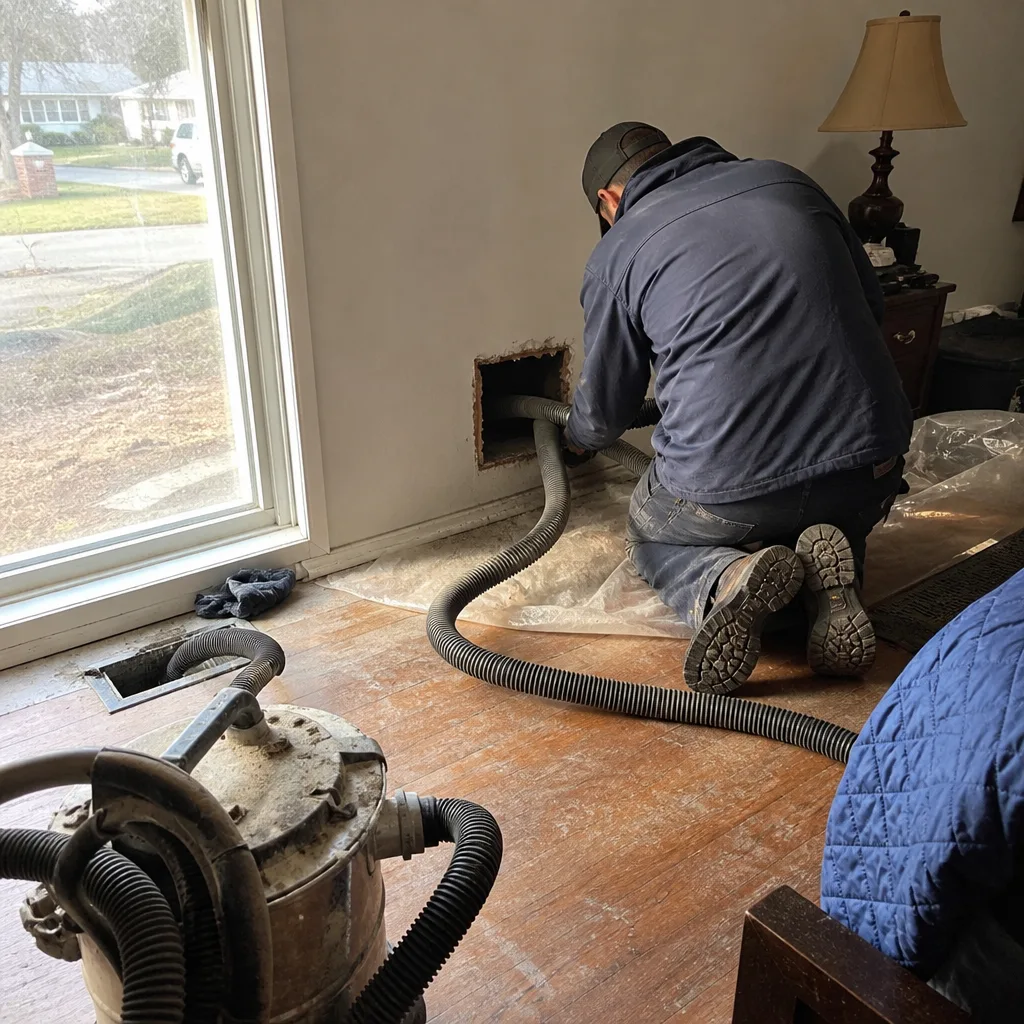 Before
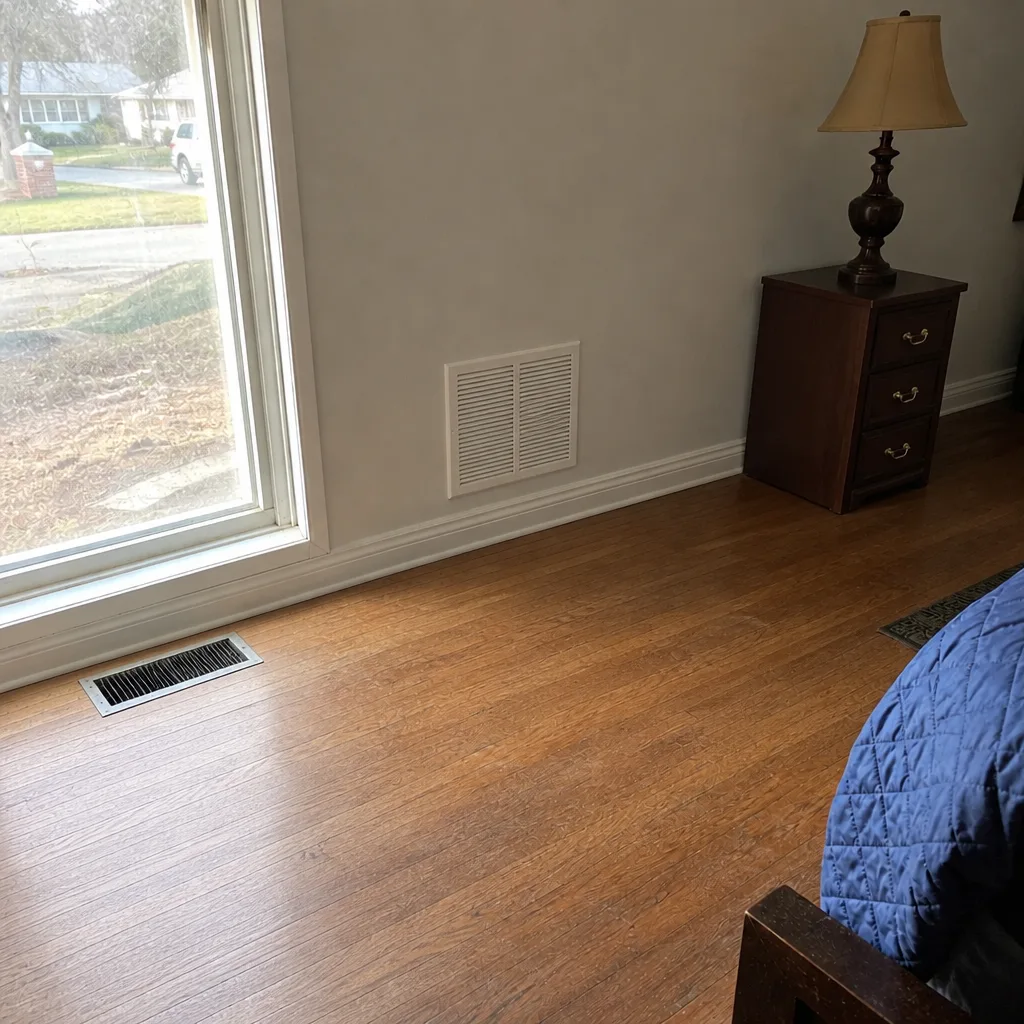 After
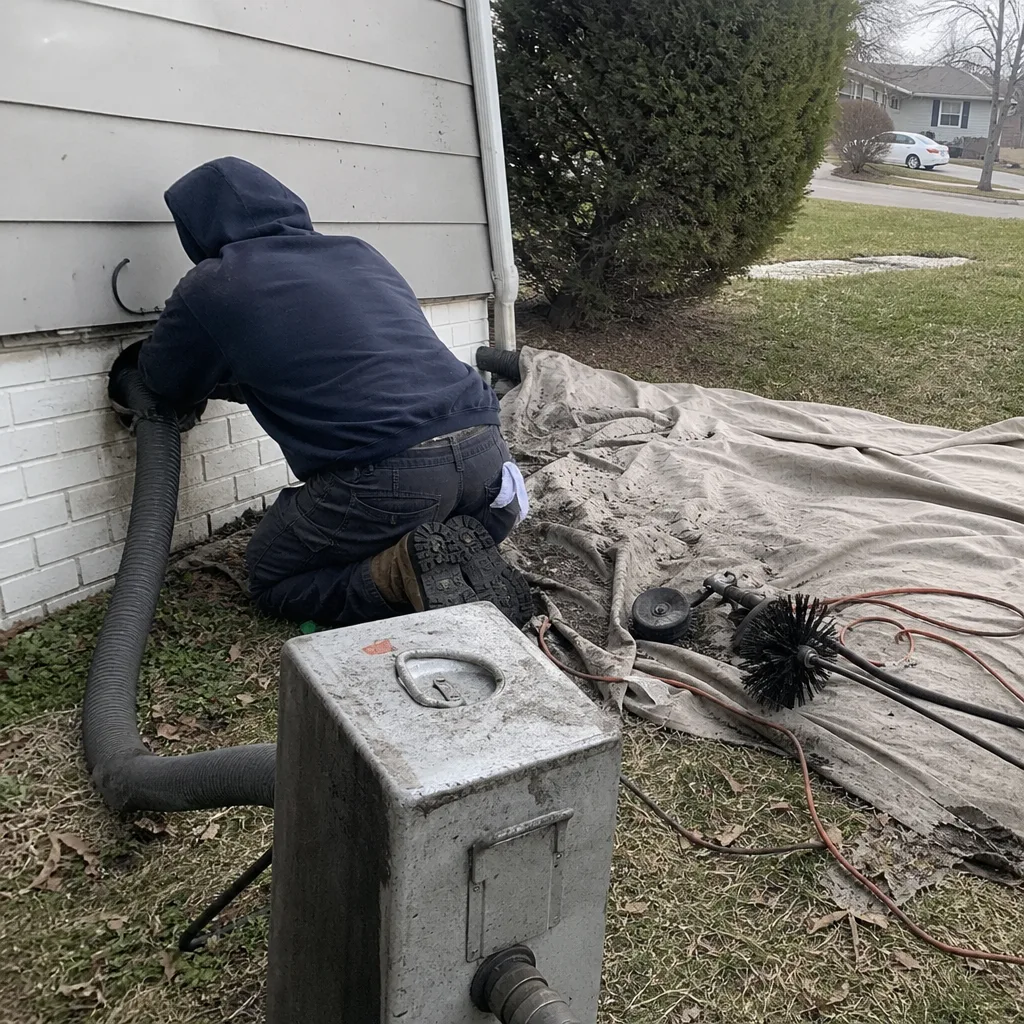 Before
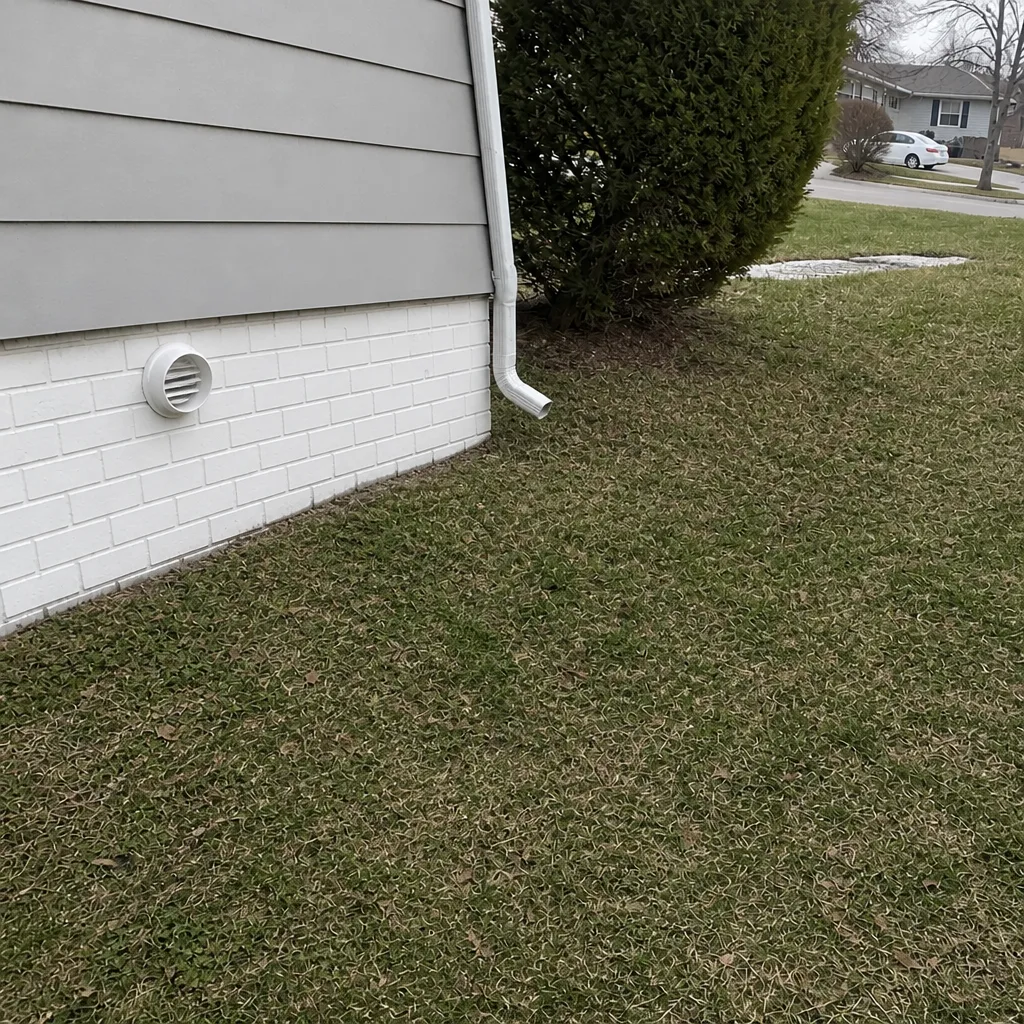 After
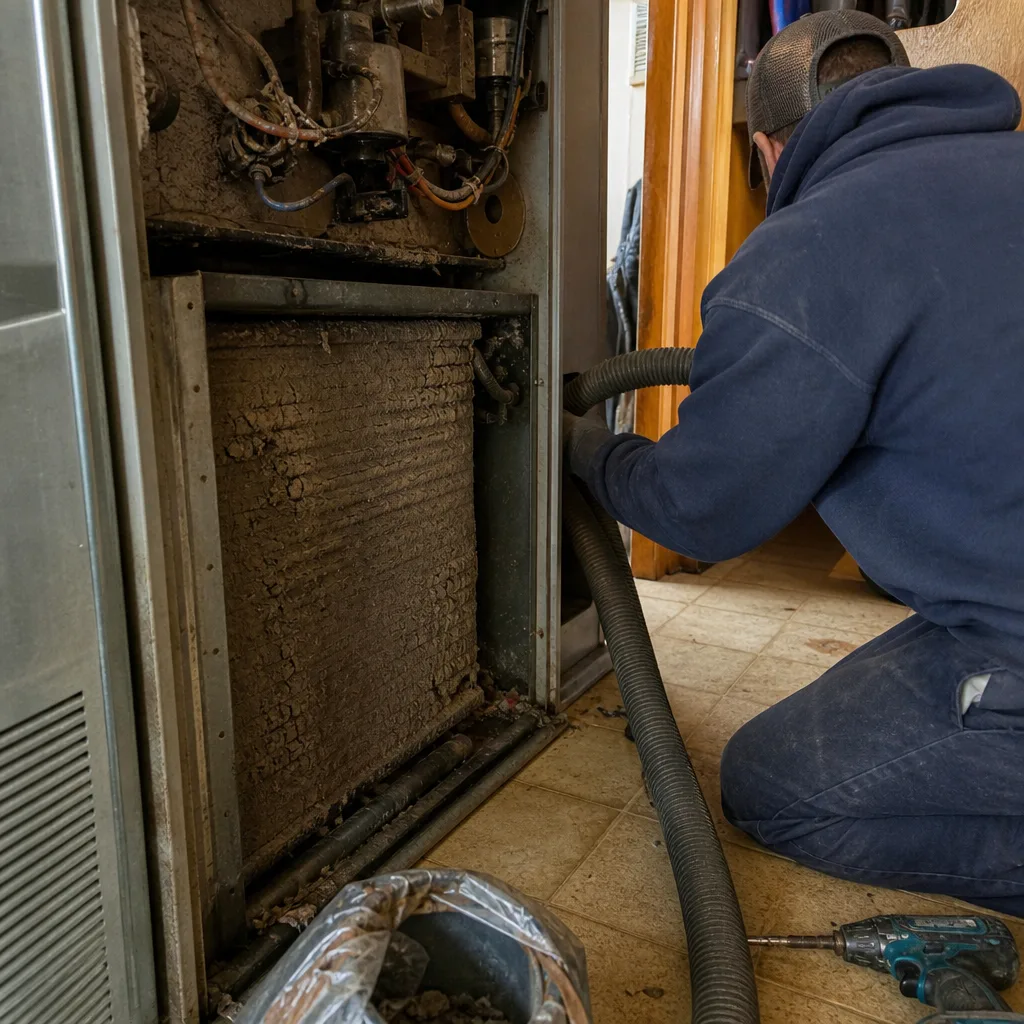 Before
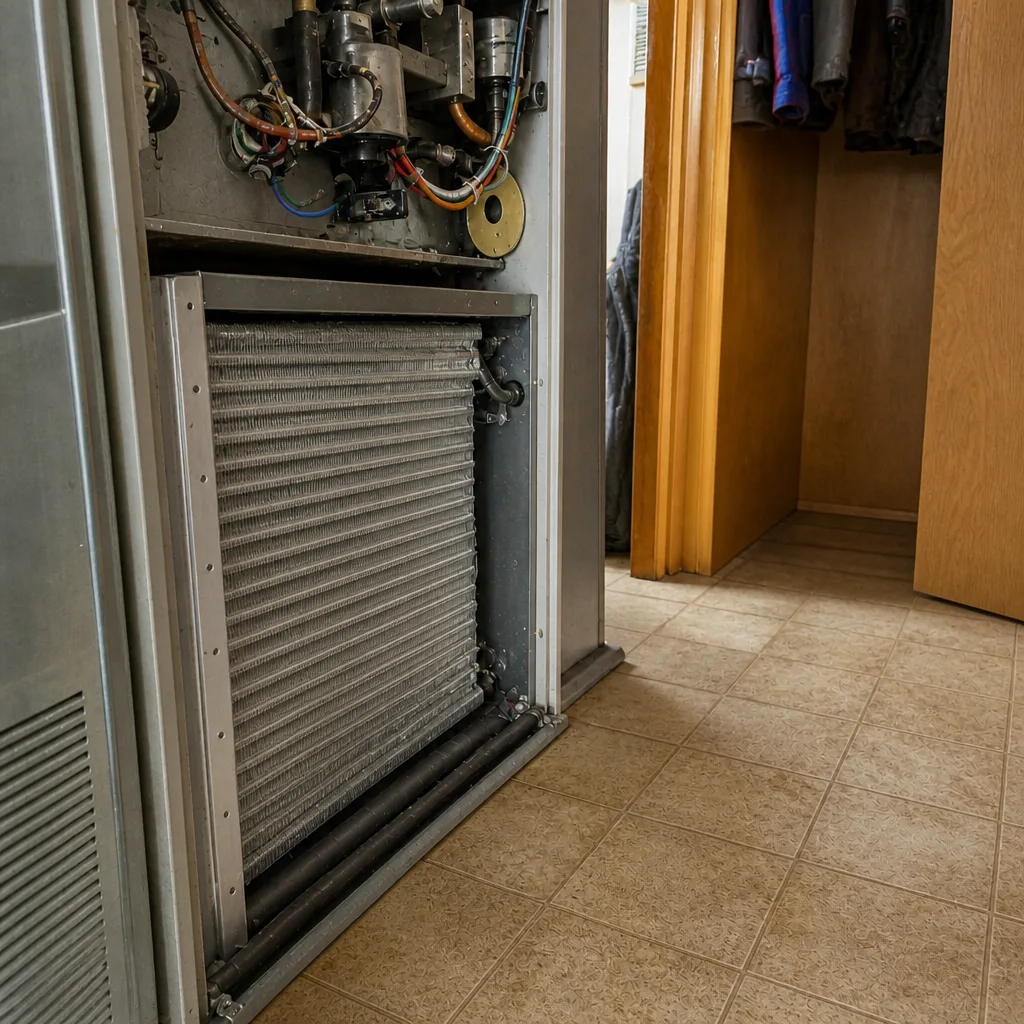 After
When to Call a Professional
Some duct conditions are safe to schedule and some aren’t. Call a professional if you’ve just bought a home and can’t see what’s in the system, if you’re seeing reduced airflow from the registers, or if you’re noticing musty odors when the heat or AC runs. If family members with allergies or asthma are reacting worse in one part of a Taylorsville home than another, that’s worth an inspection too. Visible dust settling on surfaces shortly after a deep clean, or a dryer that takes longer than usual to dry a load, are both signs a professional inspection and cleaning is due. And if you see mold growth or pest evidence near a vent, don’t clean it yourself; that’s an inspection-and-remediation job.
Taylorsville Air Duct Cleaning offers free estimates in Taylorsville, and the local pro we connect you with is licensed and insured as their state requires. Call (855) 658-5265. We answer 24/7. Fast dispatch from 7am to 7pm, Sunday through Friday.
Frequently Asked Questions
Ask three questions before you book: the vacuum’s CFM rating and filter class, whether the brush system is rotary or hand tooling, and whether a camera inspection and before-and-after photos are included in the base price. A company that answers those clearly and specifically is usually the one with real equipment and training. Call (855) 658-5265 for a free estimate. We answer 24/7.
Not automatically. A franchisee in Taylorsville can run different equipment than the same brand in another market, because each owner buys their own machinery. The brand tells you about the marketing system, not the vacuum. The better question is whether the specific crew sent to your home uses commercial-grade gear and has done the inspection work, and that’s true of franchised and independent companies alike.
We quote per job based on the written estimate, after a camera inspection of the system, rather than advertising a fixed teaser price. Prices vary with square footage, number of duct runs, and whether the HVAC system and dryer vent are included. The written estimate sets the final price, and a flat price per system means no per-vent surprises once the technician is on site. Call (855) 658-5265 for a free estimate. We answer 24/7.
A proper inspection has the technician inserting a camera into the ductwork before cleaning and photographing what’s inside. You should see the footage or photos before you approve the clean. Then, after the clean, the technician should show you the same locations again, so you can compare. If a company won’t document before and after, ask yourself what they’re not willing to show.
Lower quotes often cover a smaller scope: one side of the system, surface cleaning only, or a per-vent add-on structure that grows the invoice on-site. Equipment costs real money, and a company running commercial-grade HEPA extraction has more in its machinery than a shop-vac operation. A written estimate that covers the whole system at one flat price per system, with before-and-after photos, is the honest comparison point. Call (855) 658-5265 for a free estimate. We answer 24/7.
Our high-desert climate brings a lot of fine dust and dry air that keeps circulating whenever the heat or AC runs, and the interiors of most Taylorsville homes see seasonal dust accumulation in the ductwork. Duct cleaning in dry, dusty conditions matters most in the fall and spring when the system cycles more, and it’s worth doing before allergy season rather than during it. A camera inspection tells you whether a cleaning is due.
The Bottom Line
Duct cleaning quality comes down to four inspectable variables: vacuum class, brush system, inspection camera capability, and technician certification. The brand name on the truck, the size of the ad spend, and the price on the flyer tell you nothing reliable about any of those four. The provider that can answer those questions clearly and show you before-and-after photos of your own ducts is the provider worth booking in Taylorsville. If you’re ready to compare, Taylorsville Air Duct Cleaning offers free estimates, and a full service menu covering air duct cleaning, HVAC cleaning, dryer vent cleaning, duct repair and sealing, and air quality work, with one provider handling the whole lifecycle. Call (855) 658-5265. We answer 24/7. Fast dispatch from 7am to 7pm, Sunday through Friday.
Written by the team at Taylorsville Air Duct Cleaning.