
Last updated November 23, 2026
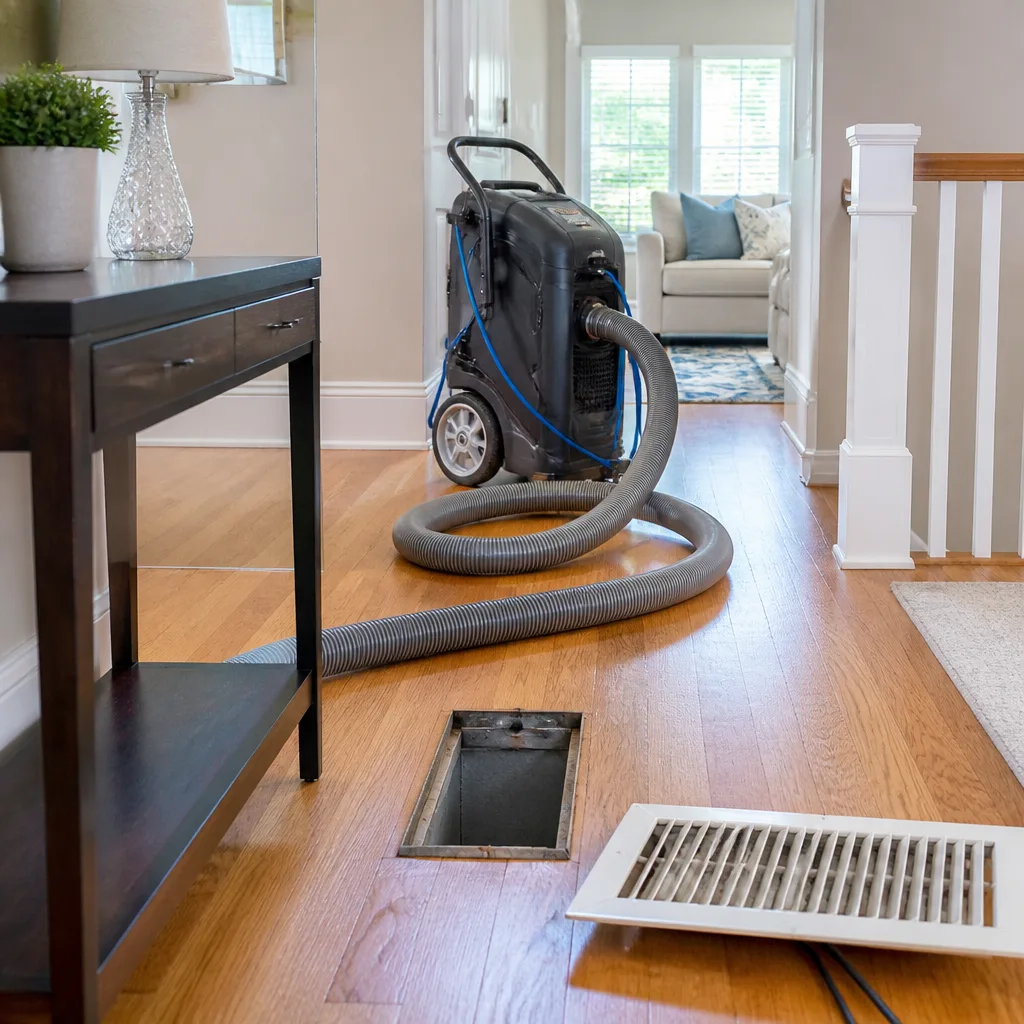 Whole-home duct cleaning
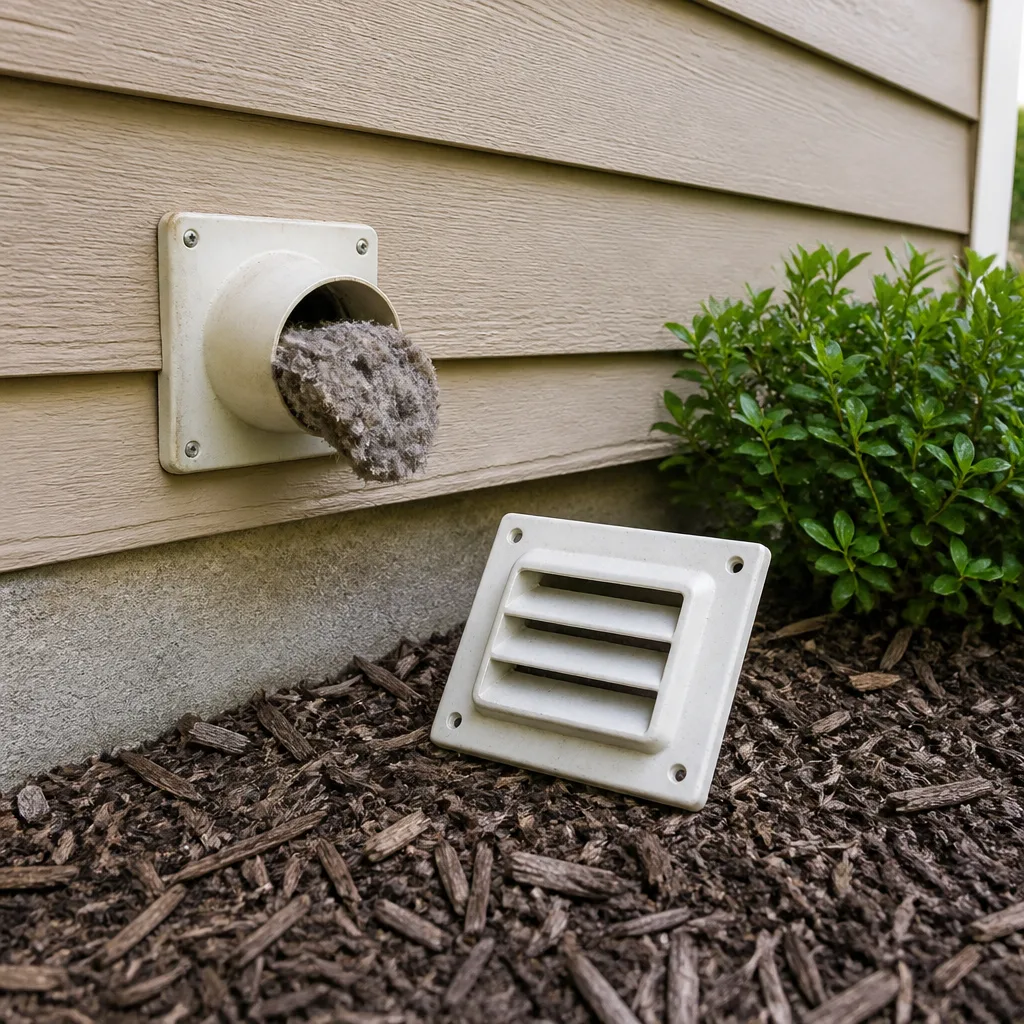 Dryer vent cleaning
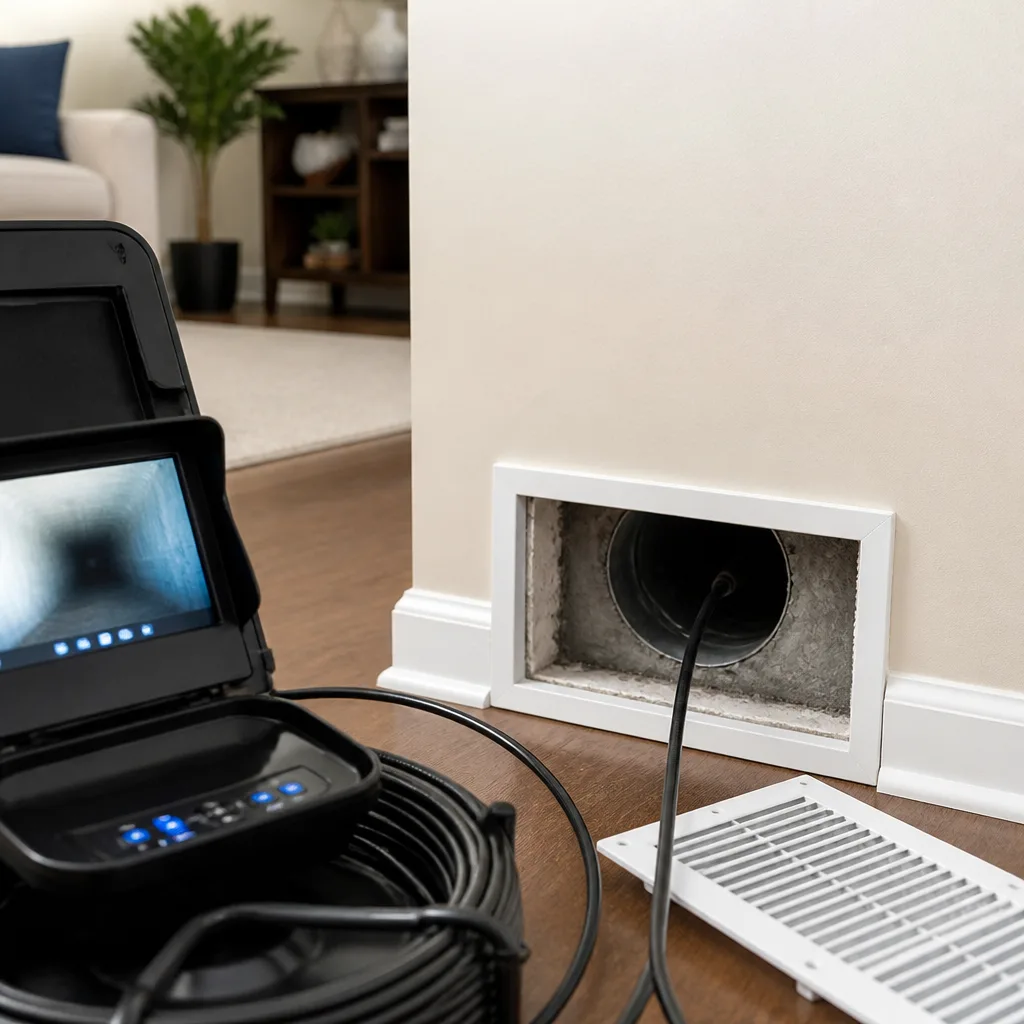 Camera inspection
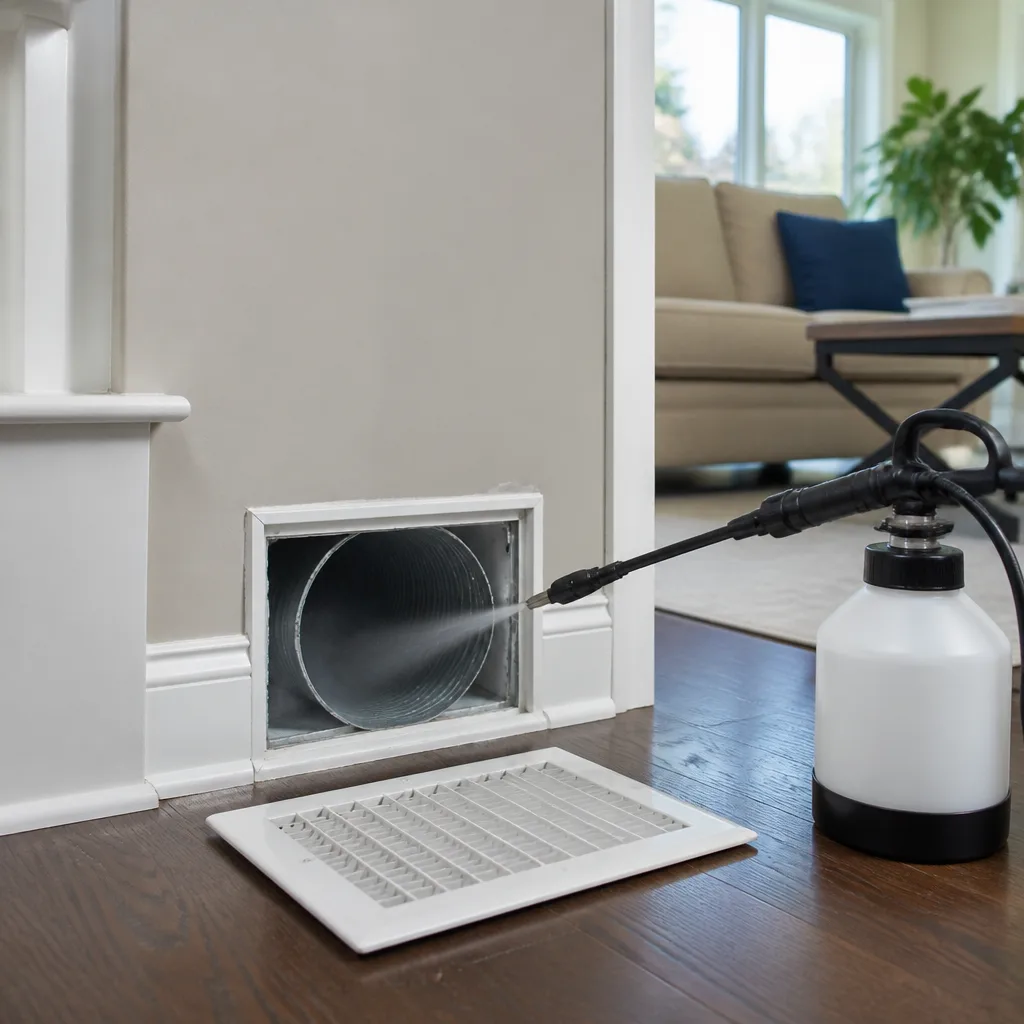 Sanitizing & deodorizing
Whole-system duct and dryer vent check with before-and-after photos - you see exactly what came out of your vents
That "$99 whole-house special" is a bait ad - the real number appears once they are in your hallway, or the "clean" is a shop-vac at the register. We photograph the inside of your ducts before and after instead.
Air Duct Cleaning Maintenance Checklist for Taylorsville Homeowners
Changing your filter on schedule feels responsible, but a filter that has collapsed inward can deposit more debris into the ductwork than half a year of normal use ever would. Most homeowners treat duct maintenance as a single appointment: call someone, get it cleaned, forget it. That approach misses everything that happens between visits. The conditions that actually cost you airflow and air quality build quietly over months, and the only way to catch them is to know what to look at. This guide lays out the visual checkpoints, seasonal timing, and simple record-keeping that let a Taylorsville homeowner spot a duct problem before it becomes an expensive one.
Quick Answer
A solid air duct maintenance routine in Taylorsville means checking your filter loading rate monthly, visually inspecting registers and exposed duct runs every season, snapping a few dated photos at each check, and booking a professional cleaning on the timeline your system’s condition calls for – typically every three to five years for most homes. The checkpoints below turn that into a repeatable checklist you can run in about fifteen minutes.
Styles & brands we work with
- Whole-home duct cleaning
- Dryer vent cleaning
- Camera inspection
- Sanitizing & deodorizing
Table of Contents
- Visual Checkpoints You Can Run Yourself
- Filter Loading Rate: Your Leading Indicator
- Seasonal Checklist for Taylorsville
- What to Log Between Professional Cleanings
- The Two Tasks That Void Most Cleaning Warranties
- What a Professional Inspection Adds
- Common Mistakes to Avoid
- Frequently Asked Questions
Visual Checkpoints You Can Run Yourself
You don’t need tools to catch most duct problems early. You need to know what normal looks like, then compare. The checkpoints below take a few minutes each and give you plain-language benchmarks to measure against.
Register and grille color. A healthy supply register shows an even, neutral finish. When a grille develops a dark halo around the edges or a gray film on the louvers, that’s dust being pushed through and settling at the opening. Uniform light gray means normal buildup. Dark, greasy-looking, or black-edged deposits point to heavier contamination upstream and deserve a closer look with a professional.
Return grille buildup. The return pulls air back into the system, so it collects the heaviest load. Run a white paper towel lightly across a louver. A trace of pale dust is expected. A visible smudge that darkens the towel, or dust you can draw lines in, means the return side is loading faster than it should.
Flex duct sag. If you can see exposed flex duct in a basement, crawlspace, or garage ceiling, look for runs that droop between hangers. Flex duct is supposed to hold a gentle arc, not a deep belly. Sagging restricts flow and collects debris at the low point. Runs that have collapsed nearly flat are a repair issue, not a cleaning issue.
Visible moisture or staining. Water stains, rust at joints, or a musty smell near a register means moisture is entering the system. That’s the one condition on this checklist that warrants an immediate call rather than a wait-and-see. Moisture in ductwork feeds biological growth, and no amount of cleaning solves a leak that keeps coming back. In Taylorsville’s dry climate, moisture in ducts almost always traces to a plumbing, roof, or condensation problem rather than ambient humidity, which makes it easier to track down.
Filter Loading Rate: Your Leading Indicator
Most homeowners track filters by calendar. A better approach tracks loading rate, the speed at which your filter goes from clean to restrictive. That rate tells you how fast the whole system is accumulating contamination, not just how dirty the filter is.
Here’s how to set it up. Write the date on the filter frame with a marker when you install it. Every thirty days, pull it, hold it up to a light, and note one of three states: light show-through (still fine), partial shadow (getting loaded), or no show-through (restricted). Log the date and the state. After a few cycles you’ll have a curve, not a guess.
What the curve tells you:
- Filter loaded in under 60 days: the system is pulling more debris than a normal home should generate. That’s your signal to look upstream at duct condition.
- Filter lasting 90 days or more: loading is normal for your home, and your cleaning interval can stretch toward the longer end.
- Sudden change in loading rate: something new entered the picture – construction nearby, a return grille knocked loose, a filter that no longer seals against its frame.
A filter that doesn’t seal properly is worse than a dirty one. When air bypasses the filter entirely, it carries unfiltered dust straight into the ducts and the blower. Check that the filter fits snugly in its slot and that the arrow points toward the blower. If it slides freely or you can see gaps around the edges, the frame needs attention before you worry about the duct interior.
For a deeper explanation of what a professional cleaning actually addresses, see our page on air duct cleaning.
Seasonal Checklist for Taylorsville
Taylorsville sits in the Salt Lake Valley, and the valley’s seasonal rhythms shape what your ducts go through. The checklist below is timed to those rhythms rather than to a generic national calendar.
Late winter: after inversion season. The valley traps cold air and particulate matter during the coldest months, and that load ends up in your return system along with everything else. Once the inversions break, do a full visual pass on your registers and returns. This is also the point to review your filter log: if loading accelerated during the winter, that’s the trend you want documented before spring.
Spring: after construction dust. Building activity, remodels, and dry spring winds all push fine dust into the air, and an open-window season sends it into the return. Check your filter more often during any nearby construction project. Note whether the dust is light-colored (mineral and drywall, common after remodeling) or dark (soot and general particulate), because the color tells a technician where it came from.
Fall: before heating season. This is the most important inspection of the year. Run the furnace for the first time and pay attention to the smell. A faint hot-dust odor that fades in minutes is normal. A musty or sharp odor that lingers points to a problem worth investigating before you run the system daily. Check that return grilles are clear of furniture, rugs, and boxes, since blocked returns strain the blower and unbalance the whole system.
One more seasonal note specific to this valley: summer smoke and dust events from surrounding areas can load filters quickly, so the weeks after a heavy smoke period are worth a filter check even if your calendar says otherwise.
What to Log Between Professional Cleanings
A technician arriving at your door with a clean, empty system sees a snapshot. A technician arriving with your log sees a trend. The difference matters when the question is not “is there debris?” but “how fast is it accumulating, and where?”
Keep a simple note on your phone or a sheet taped inside the furnace closet. Log these items at every check:
- Date and filter change date. Two lines, one record. This builds your loading curve over time.
- Filter state at check using the light-show-through scale described above.
- A dated photo of each return grille. Same angle each time. Compare month to month – the change is easier to see in photos than in person.
- A dated photo of any exposed flex duct run you can safely see without climbing or crawling into tight spaces.
- Odor notes. Musty, dusty, chemical, or none. Note when it appears and how long it lasts.
- Airflow observations. Is a particular room consistently weaker? Note any register that feels noticeably softer than the others.
- Any change in the home. Remodel, new pets, a return grille moved, a filter type changed. These explain rate changes that would otherwise look mysterious.
This log is also the best defense against the bait-and-switch problem that plagues this trade. When you have your own dated photos of what your grilles looked like before the visit, you can verify the before-and-after photos a technician shows you are of your actual system, not a stock image.
The Two Tasks That Void Most Cleaning Warranties
Warranty language varies by provider, so read yours rather than assume. In our experience, though, two homeowner tasks cause the most warranty trouble – and both are avoidable.
Skipping filter maintenance. A cleaning warranty commonly assumes the system will be kept filtered. Let a filter go fully blind for months and the duct system loads up again in ways the warranty terms don’t cover. Log your filter dates so you can prove you maintained it.
Running the system during or right after a remodel without protection. Construction dust loaded into a freshly cleaned system is the most common way a cleaning gets undone within weeks. If you’re remodeling, tape off returns near the work area or talk to us about timing the cleaning after the dust settles, not before. Both are simple habits, and both protect the work you paid for.
If a technician tells you a specific warranty term, ask to see it in writing before the work starts. A straight answer is a good sign; reluctance to put it in writing is the opposite.
What a Professional Inspection Adds
A homeowner checklist catches the visible layer. A professional inspection catches what’s behind the drywall and inside the plenum, where the majority of a duct system actually lives. The tools matter here, which is why we run Rotobrush rotary brush systems and Nikro HEPA vacuum extraction – the same professional-grade platforms used in commercial duct cleaning, not shop-vac-grade equipment. A rotary brush physically agitates debris off the duct walls, and HEPA extraction traps particles down to 0.3 microns so what comes out stays out of your air.
Containment is the other piece most homeowners don’t think to ask about. We use Abatement Technologies HEPA containment equipment on-site so dislodged particulate is captured rather than recirculated through the house during the cleaning itself.
An inspection also tells you whether cleaning is even the right job. Sealing and repair may be the priority if the flex duct is sagging or joints have separated, and we handle that under the same visit so you don’t need a second contractor for what the inspection uncovers. If what turns up is biological rather than just dust – mold, bacteria, or persistent odor – a sanitizing step addresses that layer, which many duct cleaners skip entirely. For systems where the goal is lasting air quality, we also integrate Aprilaire and Honeywell solutions.
For a broader look at the full-system side, our HVAC cleaning page covers the equipment-side work that pairs with duct cleaning.
When to Call a Professional
Some conditions on this checklist are a “note it and keep watching.” Others are a “stop and call.” Call a professional if you see any of these:
- Moisture, staining, or rust inside or around ductwork
- A persistent musty or sharp odor that returns after cleaning
- Visible mold on or near an interior register or return grille
- A flex duct run that has collapsed or separated at a joint
- Filter loading in under a month on a new, properly sealed filter
- A room that has lost airflow that the filter change didn’t restore
Our technicians have up to 13 years of experience reading exactly these signals, and we come with professional-grade equipment and HEPA containment rather than a shop vac. If you’re weighing the timing of a first cleaning, the visible condition plus your filter log will tell you more than a calendar will. In our experience, homeowners who keep the log arrive at a clear answer on their own.
See the difference
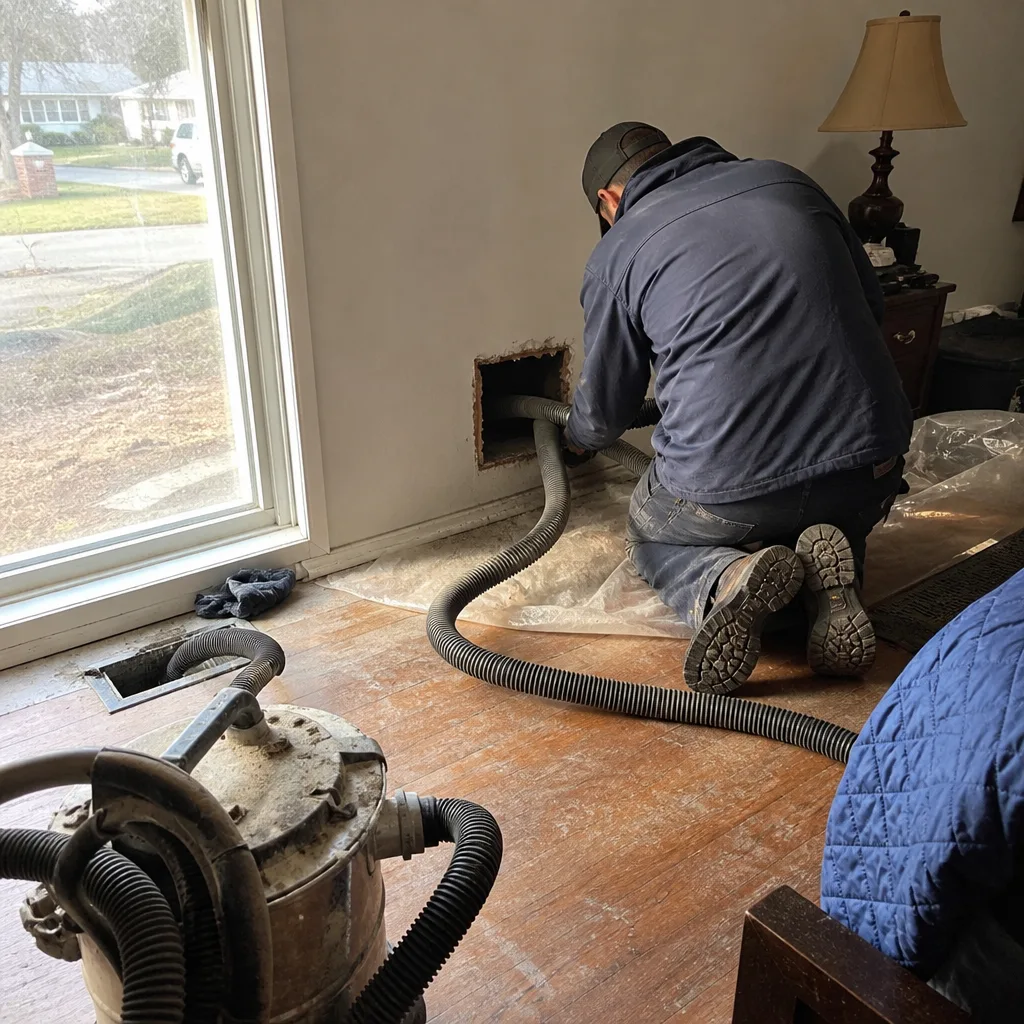 Before
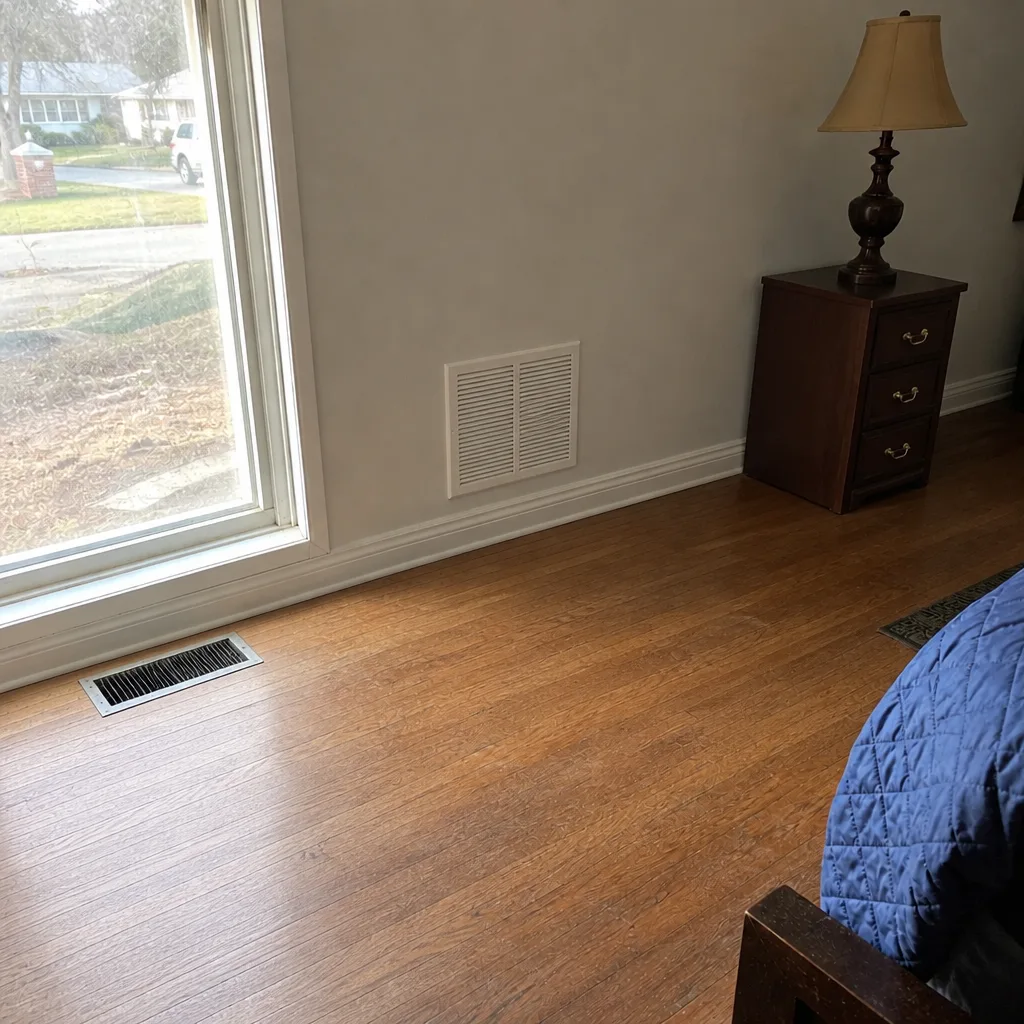 After
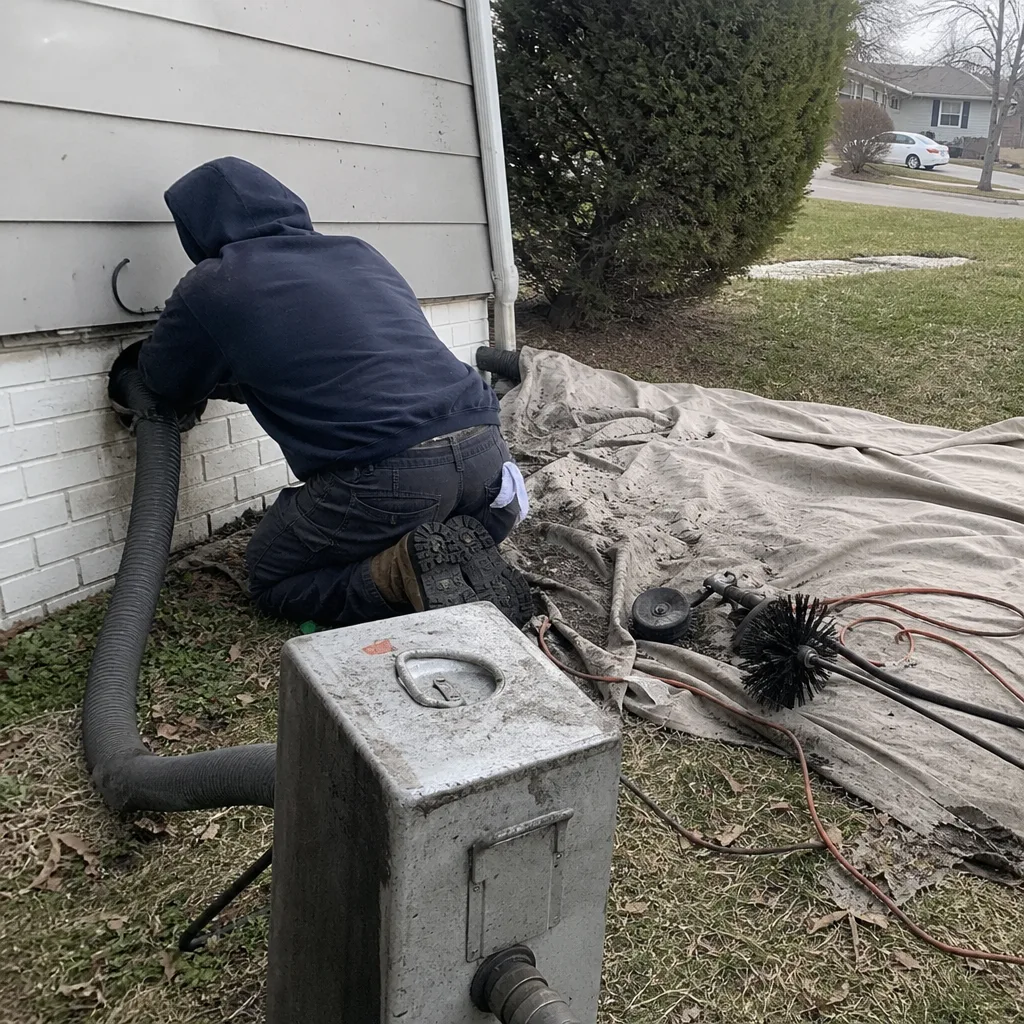 Before
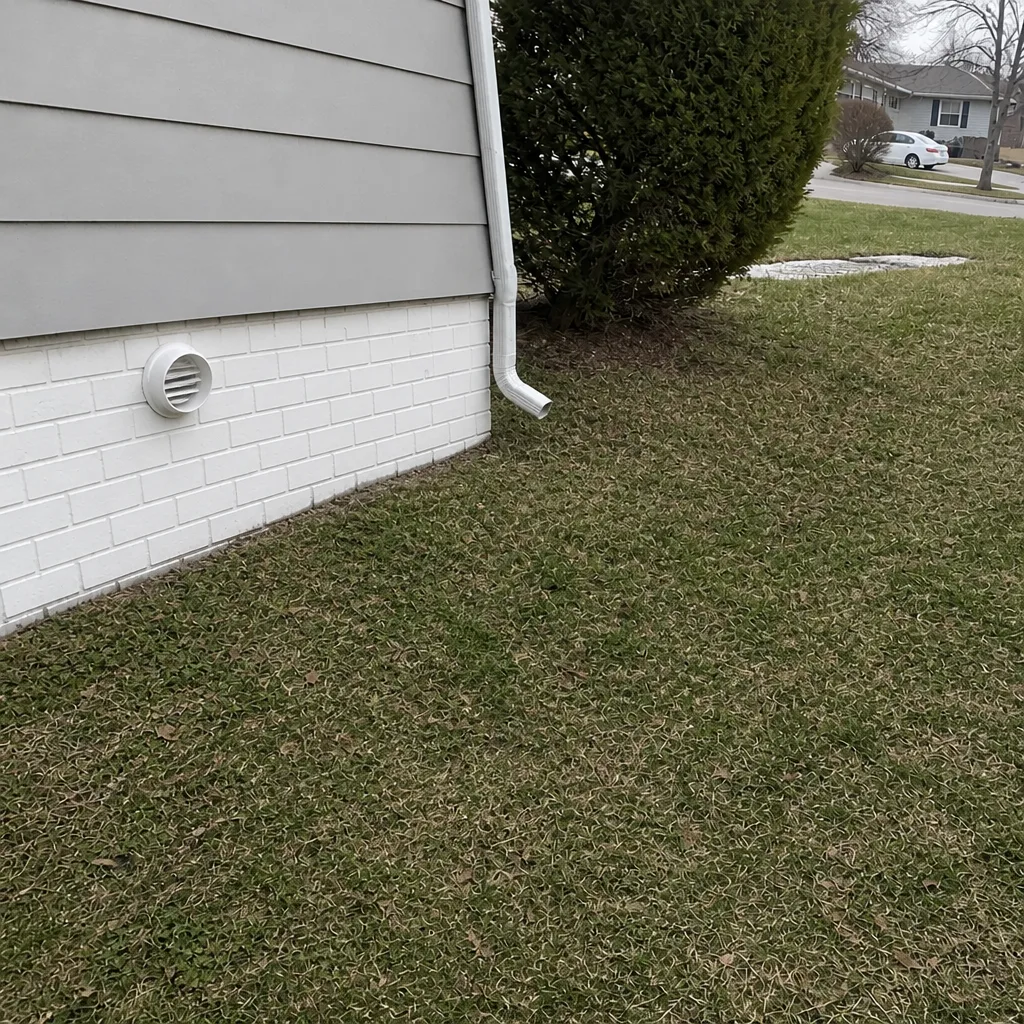 After
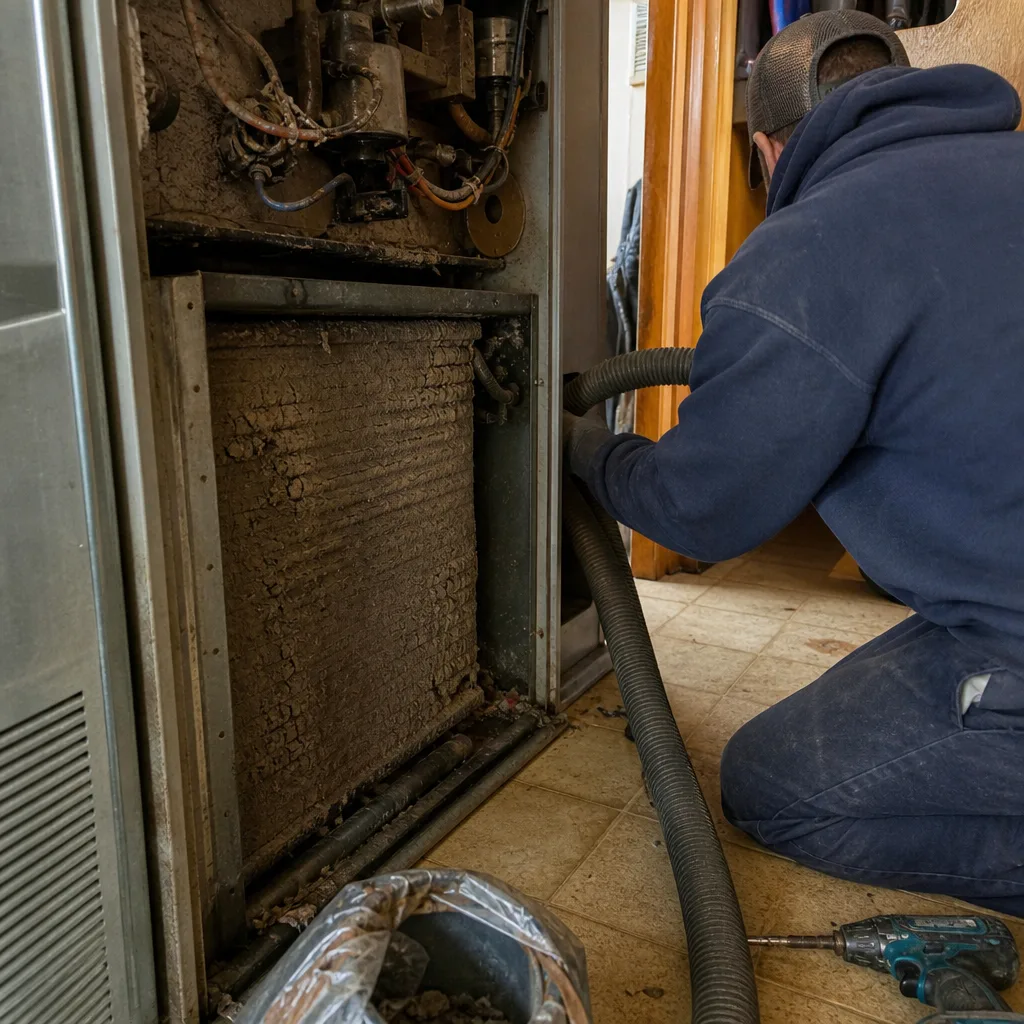 Before
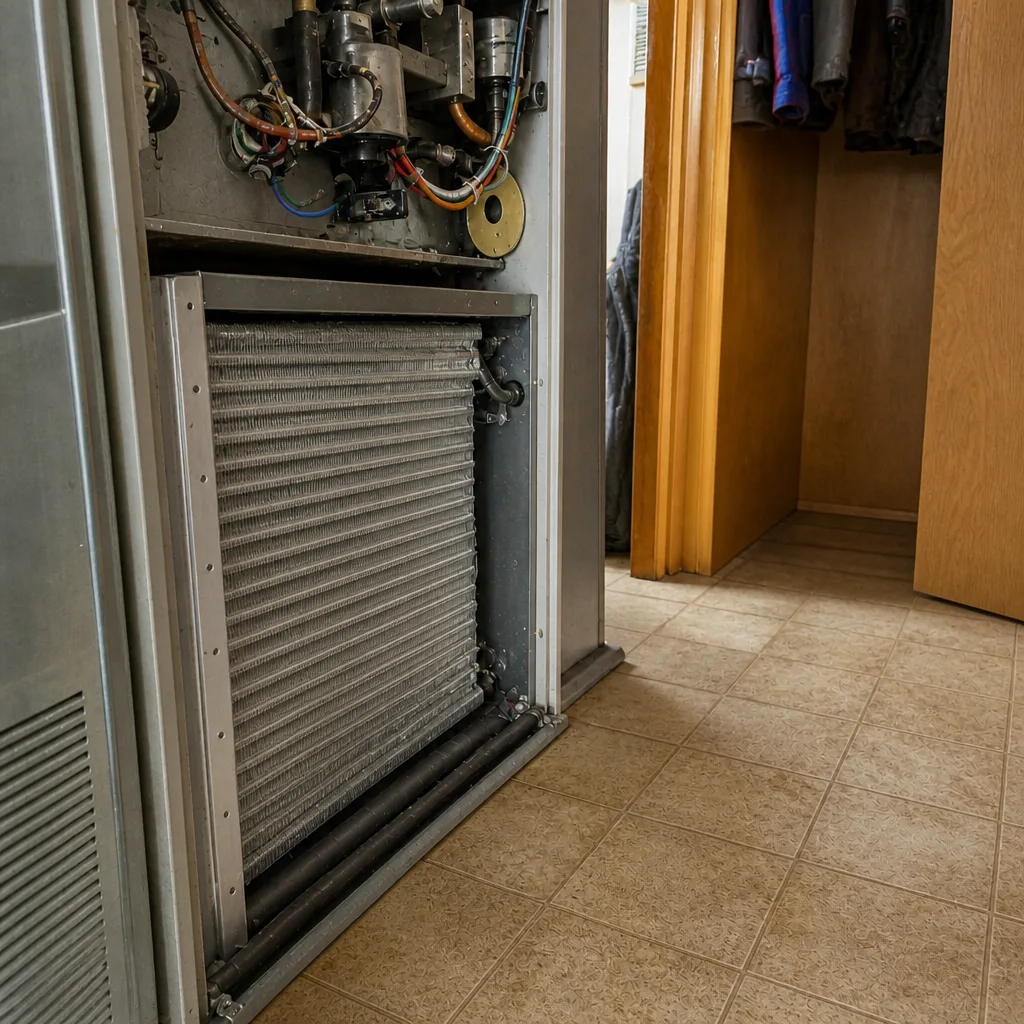 After
Common Mistakes to Avoid
- Tracking filters by calendar instead of loading rate. A 90-day sticker on the filter means nothing if your home loads it in six weeks. Log the actual state, so the trend tells you something.
- Using a filter that doesn’t seal. Air that bypasses the filter carries dust straight into the system. A snug fit matters more than a fancy MERV rating that doesn’t sit in its slot.
- Skipping the pre-heating-season check. Fall is the one inspection window that catches problems before you run the furnace daily all winter. Missing it means discovering an issue during the coldest stretch.
- Running a cleaned system through a remodel without protection. Construction dust undoes a cleaning in weeks. Tape off returns near the work or time the cleaning after the dust settles.
- Cleaning the ducts without checking the coils. The blower and evaporator coil collect the same debris. If cleaning happens without an HVAC check, you’re leaving half the system loaded.
- Accepting a quote with no whole-system price. A low teaser number that grows once the technician is on site is the oldest problem in this trade. Insist on one flat price per system, agreed before work starts.
- Trusting a before-and-after photo you can’t verify. Ask for photos of your own system with a visible date, and compare them to the dated photos in your own log.
Frequently Asked Questions
Every three to five years is a common interval for most homes, but your filter loading rate and visual checkpoints are better guides than the calendar. Homes near construction, with pets, or with allergy sufferers in the household may need attention sooner. Call (855) 658-5265 for a free estimate – we’ll tell you what your system’s condition calls for.
Expect whole-system pricing in the range a professional estimate will set per job, and be wary of any quote that prices per vent. We give one flat price per system, agreed before work starts, and the written estimate sets the final price. Call (855) 658-5265 for a free estimate.
Cheap quotes usually mean shop-vac-grade equipment and no HEPA containment, so dust gets recirculated into your home instead of captured. The classic version is a low teaser price that grows into a much larger invoice once the technician is on site. We agree one flat price per system before anything starts, and we show before-and-after photos of your own ducts. Call (855) 658-5265 to compare.
Ask for dated before-and-after photos of your own system, and compare them to the dated photos in your own maintenance log. A technician who’s confident in the work will have no trouble showing you the evidence. Call (855) 658-5265 for a free estimate and a clear look at what your system needs.
Change the filter when loading rate says so (not just on a calendar), do a visual pass on registers and returns each season, and keep a dated photo log. The two tasks that void most cleaning warranties when skipped are filter maintenance and running the system through a remodel without protecting returns. Call (855) 658-5265 if you’re unsure where your system stands.
Yes, in a few ways. Late winter is the post-inversion window when the valley’s particulate load has been highest, so it’s worth a full inspection. Spring brings construction and wind dust, which loads filters faster. Fall is the pre-heating check, when running the furnace for the first time reveals odor and airflow problems before you’re relying on it. A routine tuned to those three windows catches problems the calendar misses. Call (855) 658-5265 for a free estimate and guidance specific to your system.
The Bottom Line
Duct maintenance isn’t one appointment. It’s a short, repeatable habit: filter loading rate tracked in a log, visual checkpoints run each season, and a professional cleaning on the timeline your own trend data supports. In Taylorsville, the seasonal rhythm narrows to three windows – post-inversion inspection in late winter, construction-dust checks in spring, and the pre-heating pass in fall. Skipping filter maintenance or running a cleaned system through a remodel are the two easy ways to undo the work. Keep the log, read the trends, and the system stops being a mystery.
Contact
If your checklist turned up something worth a closer look, we can help. We run professional-grade Rotobrush and Nikro equipment with Abatement Technologies HEPA containment, and we cover cleaning, sealing, repair, and air quality in one visit so you’re not chasing a second contractor. You get one flat price per system agreed before work starts, before-and-after photos of your own ducts, and a satisfaction guarantee. Call (855) 658-5265 for a free estimate. We answer 24/7. Fast dispatch from 7am to 7pm, Sunday through Friday. You can also start with our Taylorsville Air Duct Cleaning service overview or read about dryer vent cleaning, a fire-safety step most HVAC-only contractors overlook.
Written by the team at Taylorsville Air Duct Cleaning.