
Last updated November 23, 2026
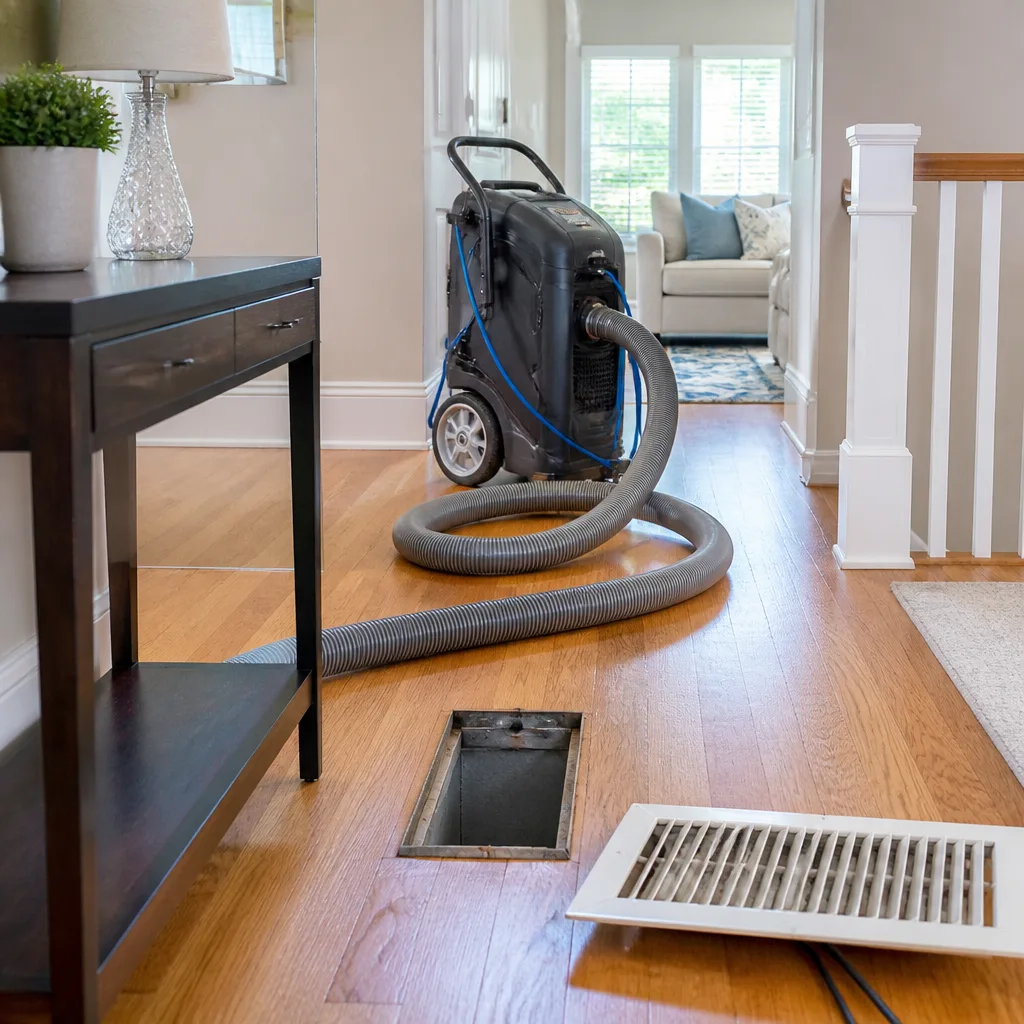 Whole-home duct cleaning
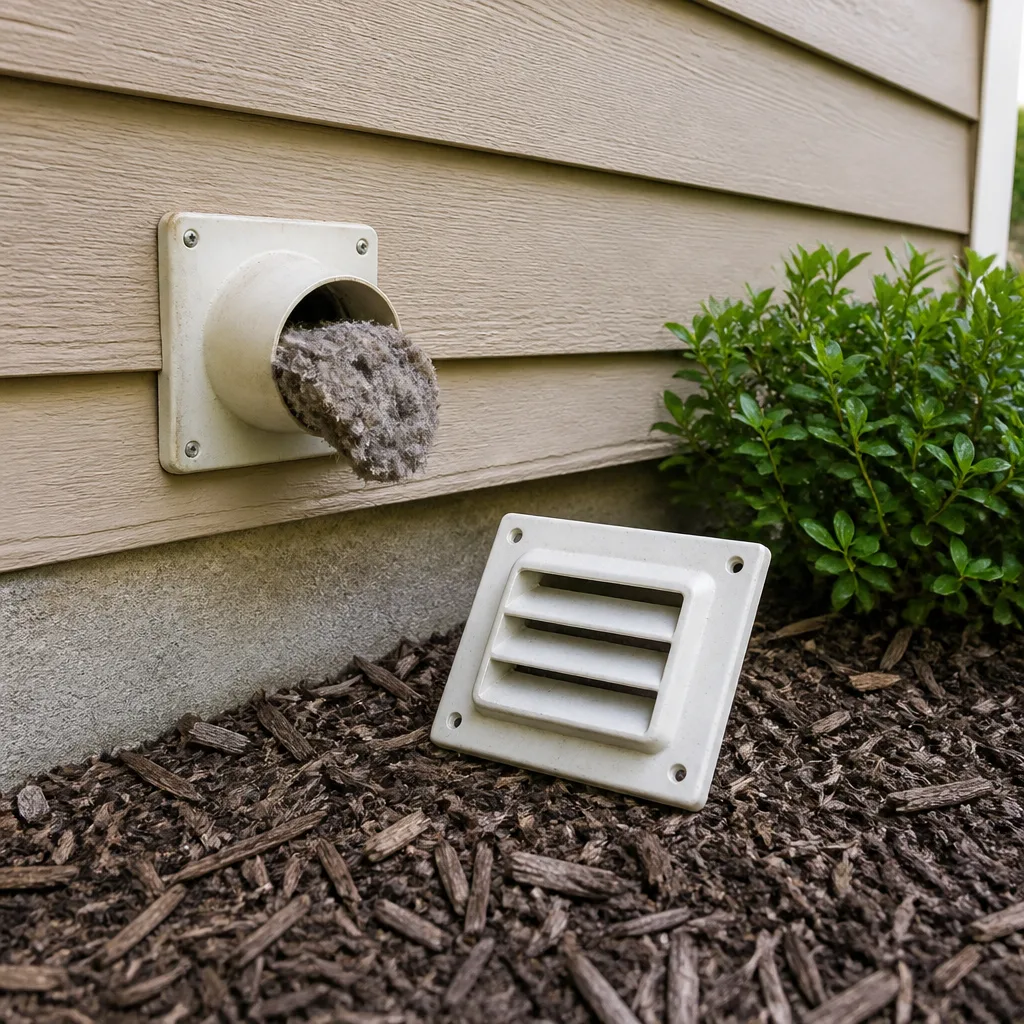 Dryer vent cleaning
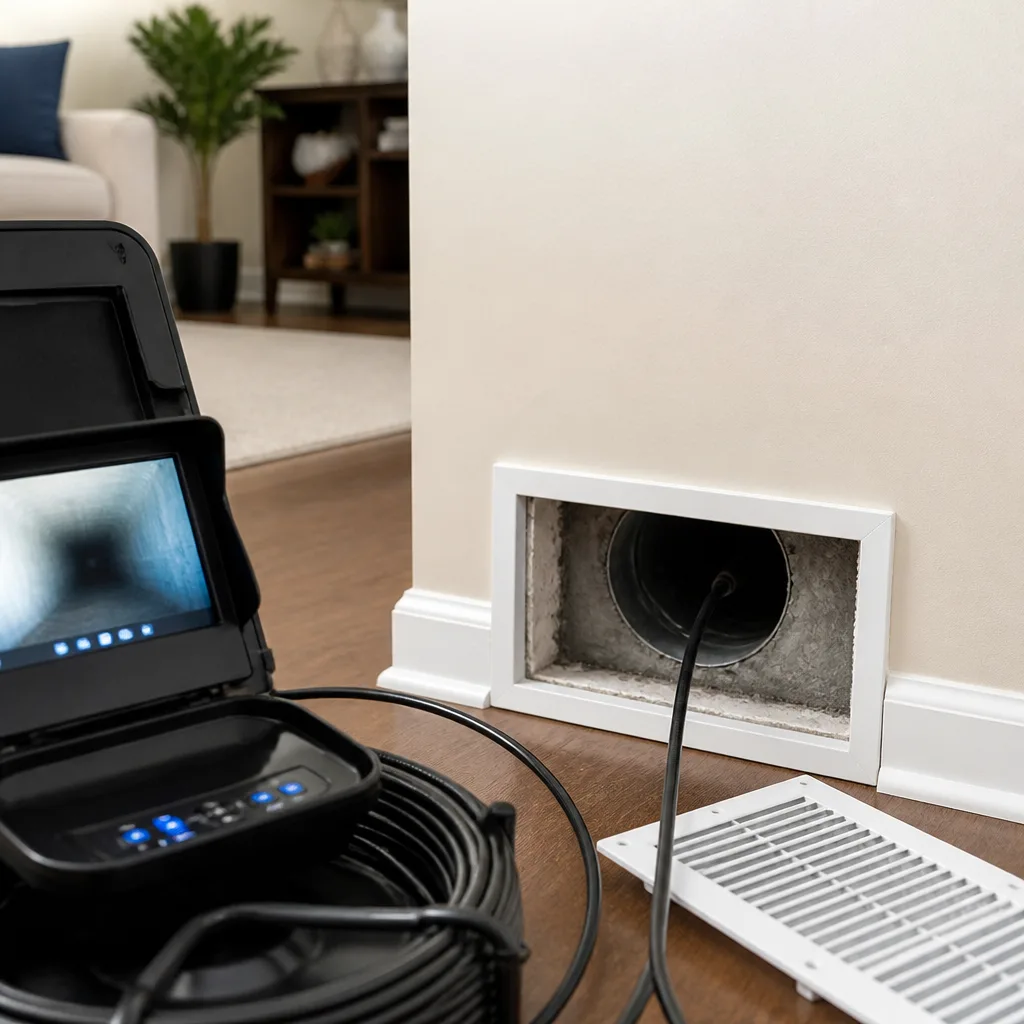 Camera inspection
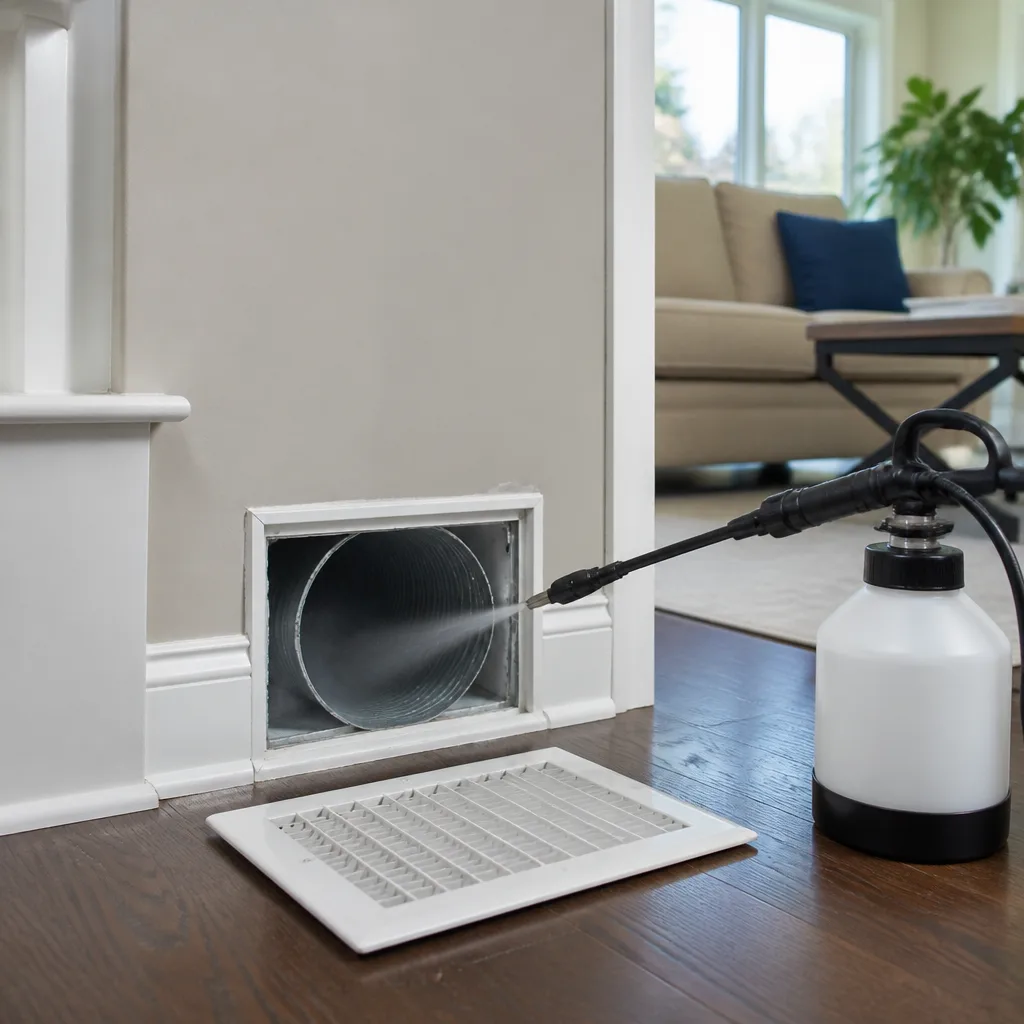 Sanitizing & deodorizing
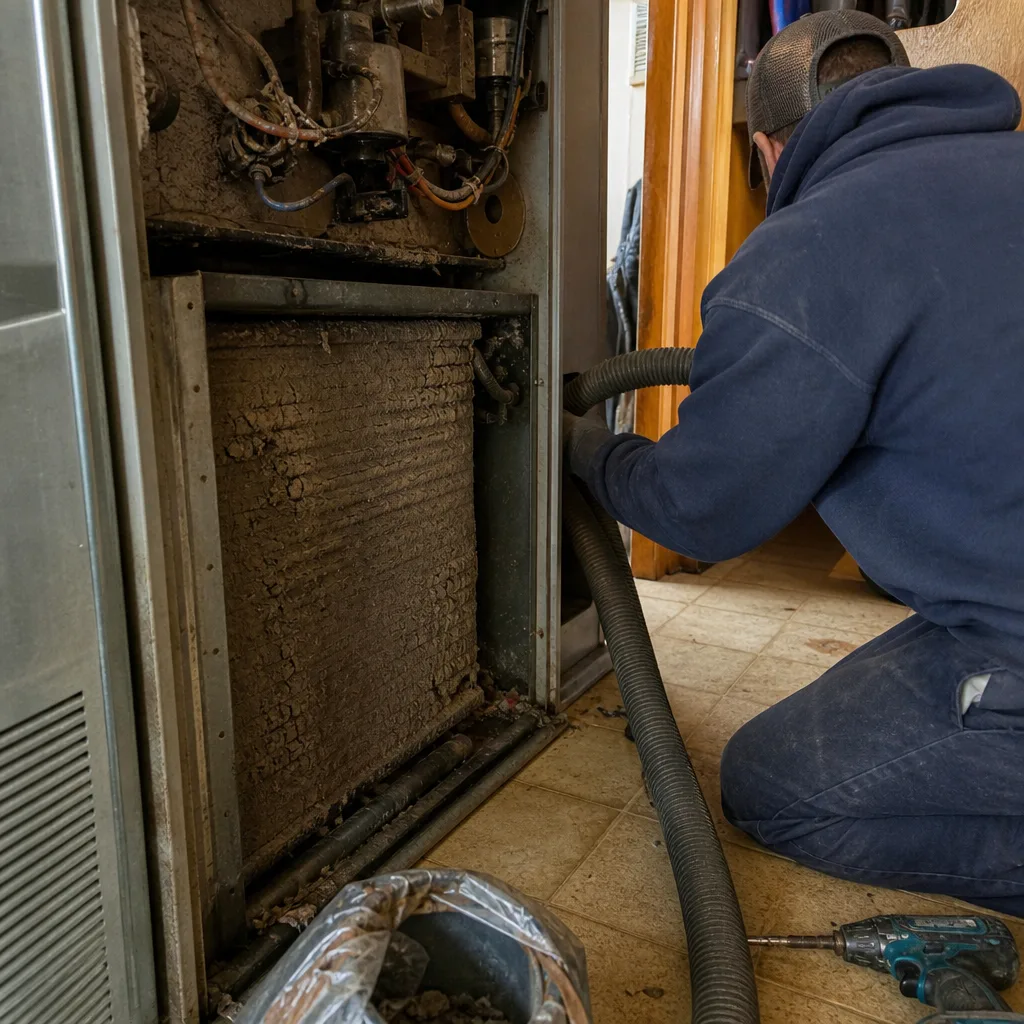
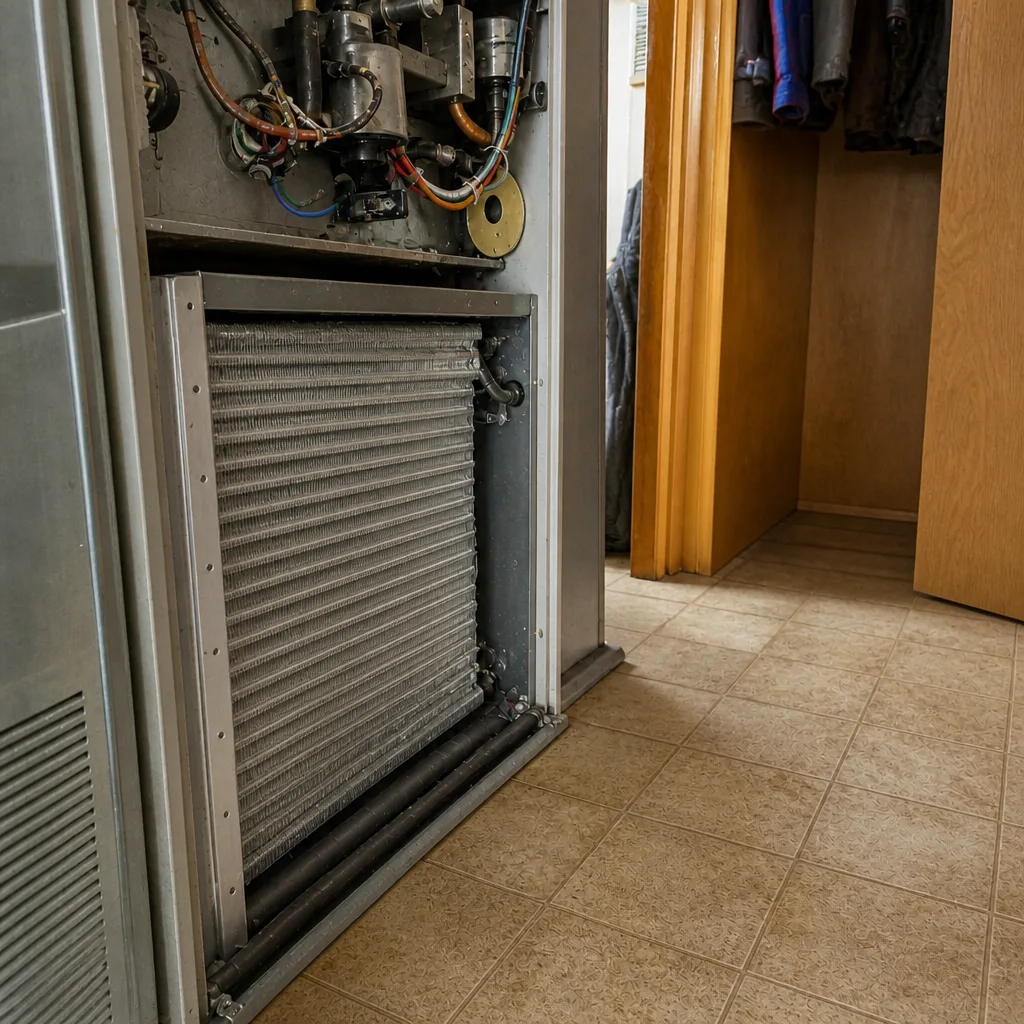
Whole-system duct and dryer vent check with before-and-after photos - you see exactly what came out of your vents
That "$99 whole-house special" is a bait ad - the real number appears once they are in your hallway, or the "clean" is a shop-vac at the register. We photograph the inside of your ducts before and after instead.
The Complete Guide to Air Duct Cleaning in Taylorsville
Most duct cleaning companies in Taylorsville sell the service like an oil change: a fixed interval, a coupon, a truck, done. The science doesn’t work that way. The EPA does not recommend air duct cleaning on a set schedule, and it never has. What it recommends is cleaning when the system itself tells you it needs it: visible contamination, blocked airflow, or a specific problem worth solving. That gap between how the service is marketed and how it should actually work is the reason so many homeowners feel unsure after a cheap cleaning. This guide walks through what a proper full-system inspection reveals before any brush touches the ductwork, why Taylorsville’s position in the valley matters, and how to verify a job was done correctly.
Quick Answer
Air duct cleaning in Taylorsville should be driven by a full-system diagnosis, not a calendar reminder. A proper service includes source removal of debris from the supply, return, and trunk lines plus the air handler, coils, and registers, verified with airflow measurement before and after. In the Salt Lake Valley, winter inversion seasons push particulate into HVAC systems faster than most homeowners realize, which is why a measured inspection usually matters more than a routine cleaning.
Styles & brands we work with
- Whole-home duct cleaning
- Dryer vent cleaning
- Camera inspection
- Sanitizing & deodorizing
Table of Contents
- Why Taylorsville’s Geography Changes the Duct Cleaning Equation
- What the NADCA ACR Standard Actually Requires
- Source Removal vs. Surface Cleaning: Why the Difference Matters in Utah
- What a Full-System Inspection Reveals Before Cleaning Starts
- How to Read Pre- and Post-Cleaning Airflow Measurements
- Which System Components Must Be Included
- What Air Duct Cleaning Costs in Taylorsville
- How to Verify the Work Was Actually Done
Why Taylorsville’s Geography Changes the Duct Cleaning Equation
Taylorsville sits in a bowl. The Oquirrh Mountains to the west, the Wasatch Range to the east, and the Traverse Mountains to the south create a topography that traps cold air in the valley floor during winter. That cold air pools beneath warmer air aloft, forming an inversion that holds particulate in place for days or weeks at a time. This is not a cosmetic issue. During a sustained inversion, fine particulate from vehicle exhaust, wood smoke, and industrial sources lingers in the air that your HVAC system pulls in and recirculates through every room in your home.
Wasatch Front cities share this geography, but Taylorsville’s position near the center of the valley floor means it often sits in the pocket where stagnant air settles. Homes here run the furnace for months, pulling that air through return grilles and pushing it back out through supply registers, cycle after cycle. Filters catch the big particles. The fine fraction that slips past accumulates on duct walls, evaporator coils, and the blower wheel, and that accumulation accelerates during heavy inversion years.
That is why the answer to “how often should I clean my ducts in Taylorsville?” is not a number. It’s a diagnosis. A home near 4700 South that runs its system hard all winter may build contamination faster than a home higher on the Taylorsville bench above 5400 South. A property manager with several rentals will see different timelines than a family that just bought a home built in the 1990s. The right schedule comes from looking at the system, not from a coupon in the mailbox.
- Winter inversions hold fine particulate in the valley for extended stretches
- Furnaces run continuously for months, cycling that particulate through the system
- Homes with pets, recent renovations, or new carpet generate extra debris load
- Older duct systems with failing seals pull dust from attics and crawlspaces
- High-efficiency furnaces move more air, which can lift settled debris back into circulation
What the NADCA ACR Standard Actually Requires
The National Air Duct Cleaners Association publishes a standard called ACR (Assessment, Cleaning, and Restoration), and it is the reference document that separates real duct cleaning from surface spraying. ACR requires an assessment before cleaning, source removal of contaminants rather than encapsulation, protection of the home’s air during the process, and verification that the cleaning achieved its stated goal. A typical $99 coupon service does not do three of those four things.
The assessment step is first for a reason. Before any equipment is set up, the technician opens access points, inspects the interior of the ductwork, checks the air handler and coil, and looks for signs of moisture, pest activity, disconnected runs, or failing seals. That inspection determines whether cleaning is even the right answer. Sometimes it isn’t. Sometimes the real issue is a leaking return duct pulling attic dust into the system, or a blower wheel caked with debris that is choking airflow. Cleaning ducts in a house with a broken return is a waste of money.
Source removal means the contaminants are physically extracted, not just loosened. This is where equipment matters. Our technicians use a Rotobrush rotary brush system to agitate debris off the duct walls and Nikro HEPA vacuum extraction to pull it out through containment, capturing particles down to 0.3 microns. The extraction must run continuously while the brush works, or the debris simply settles back downstream. Low-cost contractors using shop-vac-grade equipment cannot generate enough suction or enough containment to do that, so they agitate the dust and let it re-settle into the system it just left.
- Assess the system with access points opened and the interior visually inspected
- Set up containment and HEPA negative pressure before agitation begins
- Agitate debris off duct walls with rotary brush equipment
- Extract dislodged debris through HEPA filtration, not into the home
- Clean the air handler, blower, and evaporator coil as part of the system
- Verify results with airflow measurement and visual documentation
- Restore access points and report any defects found during the process
Source Removal vs. Surface Cleaning: Why the Difference Matters in Utah
The soil along the Wasatch Front is heavy in clay. It holds moisture, it clings to surfaces, and when it dries and breaks down it produces a fine dust that finds its way into return grilles and settles deep in ductwork. That clay-heavy dust behaves differently than the sandy debris you find in desert cities further south or the loose loam of the Midwest. It cakes onto duct walls, particularly in older homes with galvanized ductwork that has developed surface oxidation, and a light vacuum pass over the grille or a fogging treatment sprayed into the duct does not remove it.
Surface-only cleaning is common because it’s fast and cheap. A technician runs a hose into the register opening for a minute, sprays a deodorizing mist, and moves on. The visible dust in the return grille disappears. The caked layer on the duct walls stays. A few months later the same smell comes back, the same dust returns, and the homeowner assumes duct cleaning doesn’t work. It does work. It just wasn’t done.
Source removal addresses the accumulation directly. The rotary brush loosens the clay-bound layer, the HEPA vacuum captures what comes off, and the airflow inside the system carries the last of it into the filter rather than into the living space. The difference between the two approaches is not cosmetic. It’s the difference between reducing particulate in the home’s air and masking it for a season.
We see this exact pattern in Taylorsville homes that were previously “cleaned” by low-cost providers. The ducts look clean at the register. The trunk lines are another story. When we open the system for proper service, the accumulation is still there, and the homeowner has paid for a cleaning that didn’t happen. Our air duct cleaning service starts with the assessment step for exactly this reason.
What a Full-System Inspection Reveals Before Cleaning Starts
A proper inspection is not a quick peek at a register. It is a systematic review of the whole system, and it frequently finds problems that no amount of cleaning would fix. Here is what we check, and why each one matters:
- Duct interior condition. Visible debris accumulation, moisture staining, corrosion, or signs of pest entry. Moisture is the key one: a wet duct system with mold growth needs the source of moisture addressed before cleaning has any lasting effect.
- Duct connections and seals. Disconnected runs, gaps at joints, or loose boots where ducts meet registers. In Taylorsville homes with accessible attics, disconnected supply runs are common and quietly pump conditioned air into the attic instead of the bedroom.
- Air handler and blower wheel. A blower wheel with a caked layer of dust moves less air, makes more noise, and stresses the motor. It is one of the most overlooked parts of the system.
- Evaporator coil. A dirty A-coil restricts airflow, reduces cooling capacity, and can cause the system to ice up. Cleaning the ducts without cleaning the coil misses half the problem.
- Return air pathway. Return ducts pull in more debris than supply ducts, and any leak in the return side draws unfiltered air from attics, crawlspaces, or garages directly into the system.
- Filter fit and location. A filter that’s too small for its slot, or a filter grille with gaps around the frame, bypasses filtration entirely.
- Plenum condition. The sheet metal plenum above the furnace and below the coil collects debris and hides early signs of trouble.
When the inspection is done, you should have a clear list of what was found, what needs cleaning, what needs repair, and what needs sealing. If a company can’t tell you what’s inside your ducts before charging you, they aren’t inspecting. They’re upselling. Our HVAC cleaning service covers the air handler and coil side of the system because the two cannot be separated without missing the point.
How to Read Pre- and Post-Cleaning Airflow Measurements
Airflow measurement is the missing verification step in most duct cleanings, and it is the single best way to know whether the work actually changed anything. A technician measures static pressure at the air handler and airflow at a sample of registers before cleaning begins, then measures again after the system is closed and running. If the numbers don’t improve, the cleaning didn’t solve the airflow problem, or the problem wasn’t debris in the ducts.
What you should see in a properly documented job:
- Baseline pressure reading at the supply and return sides of the air handler, noted before cleaning
- Register airflow measurement at several supply and return registers, chosen to represent different branches of the system
- Post-cleaning pressure reading taken after the system is reassembled and running
- Post-cleaning register measurements at the same sample points
- Photo documentation of duct interiors before and after, from the same access points
A meaningful drop in static pressure, or a measurable increase at registers, is direct evidence that the cleaning restored airflow the system was losing. If a contractor can’t produce these numbers, or refuses to take them, they are asking you to trust a visual that you can’t see from the outside. That is not a fair standard for a homeowner who just paid for a service.
The airflow data also feeds into what comes next. Poor static pressure after a cleaning often points to duct design problems, filter restrictions, or coil fouling that cleaning alone won’t fix. That’s where the full-system scope of our service matters. We handle cleaning, duct repair, and duct sealing under one provider, so a discovered problem on the supply side doesn’t require calling a second contractor and rescheduling another visit. Our Taylorsville Air Duct Cleaning page covers the full menu.
Which System Components Must Be Included
A duct cleaning that skips these components rarely produces lasting improvement, no matter how thorough the duct work itself is:
- Supply ductwork. The full run from the plenum to each register. Not just the last few feet you can reach.
- Return ductwork. Often the dirtiest part of the system, and the most important to inspect for leaks.
- Trunk lines and plenum. Large-volume sections where debris settles in the slow-moving air at bends and transitions.
- Air handler cabinet. The interior of the metal cabinet, including the blower compartment and the filter rack.
- Blower wheel. The spinning fan that pushes air through everything. Caked dust here cuts efficiency more than most homeowners suspect.
- Evaporator coil. The A-frame coil above the furnace. Dirty coils restrict air and stress the compressor.
- Registers and grilles. Removed, cleaned, and reinstalled, not just vacuumed in place.
- Duct boots. The transition pieces between ductwork and floor or wall openings, where debris tends to collect.
Each of these has a specific role, and leaving one out weakens the whole job. A cleaning that skips the coil leaves the biggest airflow restriction in place. A cleaning that skips the return leaves the dirtiest part of the system contaminated. A cleaning that skips the blower wheel leaves a fan that is fighting itself every time it runs.
Our approach treats the system as a single unit, using Abatement Technologies HEPA containment on-site so that dislodged debris is captured at the point of agitation rather than recirculated into the home. The extraction runs throughout, not just at the end. When the system is done, the components that matter are clean, sealed, and documented.
What Air Duct Cleaning Costs in Taylorsville
Pricing for air duct cleaning in Taylorsville depends on the size of the home, the number of registers, the condition of the system, and whether repair or sealing is needed. The ranges below are typical for the local market, and the written estimate always sets the final price. We give one flat price per system, agreed before work starts, with no per-vent pricing.
| Service | Typical Range | What It Covers |
|---|---|---|
| Full-system duct cleaning | $375 – $750 | Supply, return, trunk lines, plenum, registers, blower wheel, air handler |
| Duct cleaning with coil cleaning | $450 – $850 | Everything above plus evaporator coil cleaning |
| Dryer vent cleaning | $125 – $225 | Full lint extraction from dryer to exterior termination |
| Duct repair | $150 – $600 | Depends on access, number of runs, and type of repair |
| Duct sealing | $275 – $700 | Sealed joints, boots, and accessible connections |
| Air quality and sanitizing | $175 – $400 | Biological contaminant treatment after cleaning |
Some contractors in Taylorsville advertise a low entry price and then quote per-vent charges once they are on site. That structure is designed to look cheap on the phone and grow on the invoice. A single flat price for the whole system, set before work starts, is the only way to know what you are actually buying.
For homeowners worried about pollution concentration in the home, the cleaning itself is only the start. Once the system is clean, we offer Aprilaire and Honeywell air quality solutions to help keep it that way, including filtration upgrades and humidity control. Our dryer vent cleaning service is often bundled into the same visit because it is a genuine fire-safety service that most HVAC-focused companies skip entirely. Call (855) 658-5265 for a free estimate written for your specific system.
How to Verify the Work Was Actually Done
The single biggest worry homeowners voice about duct cleaning is whether the work actually happened. That worry is fair, and the industry earned it. Here is how to confirm it in any cleaning you commission, whether it’s from us or anyone else:
- Ask for pre-cleaning photos of the duct interiors taken from the access points. Not a stock photo. A photo of your system.
- Ask for post-cleaning photos of the same access points. The improved view should be visible.
- Review the airflow numbers. Baseline and post-cleaning static pressure readings, with register measurements taken at the same sample points.
- Check the coil. If it was in scope, you should see before-and-after images of the coil face. It is the single most visible indicator of a finished job.
- Inspect the registers yourself. Pop a few grilles off after the technician leaves. Look inside with a flashlight. A properly cleaned duct will be visibly cleaner than a surface-only job.
- Read the report before you sign a check. A written summary of what was found, what was cleaned, what was repaired, and what still needs attention.
We provide before-and-after photos as standard practice, along with the airflow readings taken during the visit. If a contractor won’t put a camera into your ducts and show you what’s there, they are asking you to take their word for it, and that is a lot to ask on a service this significant.
Common Mistakes to Avoid
Here are the mistakes we see most often in Taylorsville homes, and what to do instead:
- Buying on price alone. A coupon price that grows into a bigger invoice on site is standard practice in this industry. Ask for a flat price for the whole system before scheduling.
- Choosing a company that can’t clean the coil. Duct cleaning without coil cleaning leaves the biggest airflow restriction in place. If they can’t or won’t include it, keep looking.
- Believing a fixed schedule. The EPA does not recommend cleaning on a set interval. A system with a filtered, sealed, well-maintained duct should not need the same frequency as a home with a leaking return and pets in the house.
- Skipping the airflow measurements. Without a baseline and a post-cleaning reading, there is no way to know what the job accomplished. If a company doesn’t take these numbers, they can’t tell you how well they did.
- Ignoring a musty smell. Odor usually means moisture is present, and cleaning without addressing the moisture source just restores a clean surface for mold to re-colonize. Ask about our air quality and sanitizing step.
- Skipping dryer vent cleaning. Dryer vents in Taylorsville homes are frequently routed through long runs or into the attic, and lint buildup is a fire risk that has nothing to do with duct cleanliness. An HVAC-only provider will not touch it.
- Cleaning before investigating a disconnected run. If a supply duct has pulled loose at a boot, cleaning the system just pulls attic or crawlspace dust into a freshly clean duct on the first cycle.
When to Call a Professional
Call a professional when you notice any of these: visibly dirty supply registers that return after cleaning, a persistent musty odor when the system runs, an unexplained increase in dust across the whole house after a filter change, reduced airflow from some registers but not others, a recent home purchase with no service history, a renovation that put drywall dust into the return, or a dryer vent that takes twice as long to dry a load. Any of these points to a system problem worth an inspection. We use professional Rotobrush and Nikro equipment and Abatement Technologies containment on every visit because the difference is measurable. Taylorsville Air Duct Cleaning offers free estimates in Taylorsville. Call (855) 658-5265. We answer 24/7. Fast dispatch from 7am to 7pm, Sunday through Friday.
Frequently Asked Questions
Full-system duct cleaning in Taylorsville typically runs $375 to $750, and with coil cleaning included it’s usually $450 to $850. The written estimate sets the final price, and one flat price per system is standard, with no per-vent charges once work begins. Call (855) 658-5265 for an exact quote. Estimates are free.
Cheap quotes usually reflect one of three things: surface-only cleaning instead of source removal, consumer-grade vacuum equipment that can’t capture fine particulate, or a low entry price that grows once the technician is on site. A quote that doesn’t specify the scope of the system, the equipment used, or the verification method is not a real quote. Call (855) 658-5265 to compare a flat price for the whole system.
You know it was done when you see before-and-after photos of your own duct interiors from the same access points, along with airflow measurements taken before and after the cleaning. A serious provider documents the job and hands you a report. If a contractor won’t show you what was cleaned, they haven’t done the work. Call (855) 658-5265 to schedule a visit with documentation.
There is no standard interval. The EPA does not recommend cleaning on a set schedule, and in Taylorsville the right answer depends on how hard the system runs through inversion season, whether pets are in the home, and whether the ductwork is sealed. A full-system inspection tells you what the system actually needs. Call (855) 658-5265 for a free assessment.
Source removal reduces the reservoir of accumulated particulate that the HVAC system would otherwise recirculate through the home, and for people sensitive to airborne dust that reduction is often noticeable. It does not replace filtration or address outdoor air quality during an inversion. Combining cleaning with Aprilaire or Honeywell filtration upgrades gives more lasting improvement than cleaning alone. Call (855) 658-5265 to discuss which option fits your system.
Yes, in most cases. Older duct systems in Taylorsville homes are accessed through existing register openings, and additional access points are cut only where needed. Inspections sometimes uncover disconnected runs or failing seals that need repair before cleaning makes sense, and we handle those under the same provider so you don’t need a second contractor. Call (855) 658-5265 for a free estimate.
The Bottom Line
Air duct cleaning in Taylorsville works best as a measured intervention, not a scheduled routine. Start with a full-system inspection. Confirm the scope includes the supply, return, plenum, air handler, blower wheel, and coil. Verify the job with pre- and post-cleaning airflow measurements and before-and-after photos of your own ducts. In a valley where winter inversions concentrate particulate for weeks at a time, cleaning that skips the coil or skips the return is a partial fix at best. One flat price per system agreed before work starts is the standard you should ask for, and the report you receive afterward is the proof the job was done. If the inspection reveals a repair or a seal that needs attention, that gets handled under the same visit.
If you’re ready to know what’s actually in your ductwork, call (855) 658-5265 for a free estimate. We answer 24/7. Fast dispatch from 7am to 7pm, Sunday through Friday.
Written by the team at Taylorsville Air Duct Cleaning.
See the difference
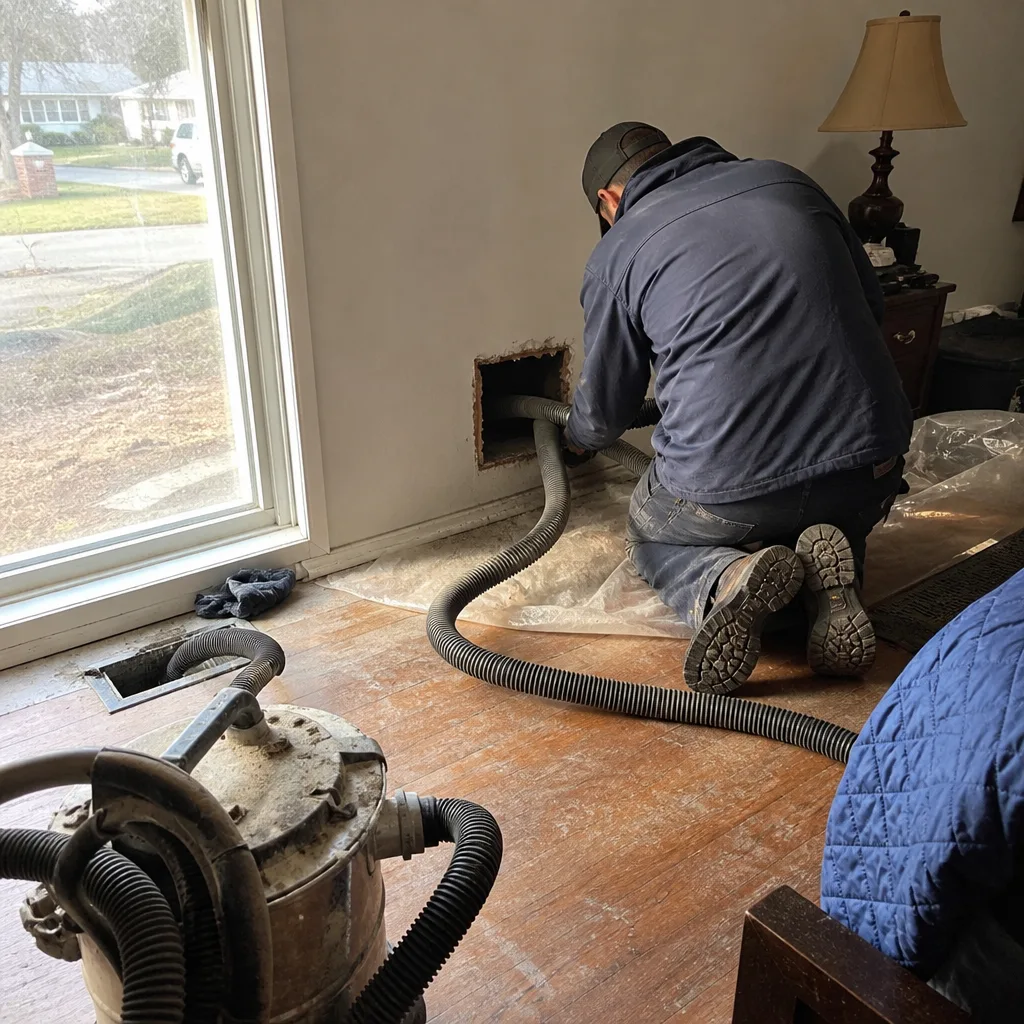 Before
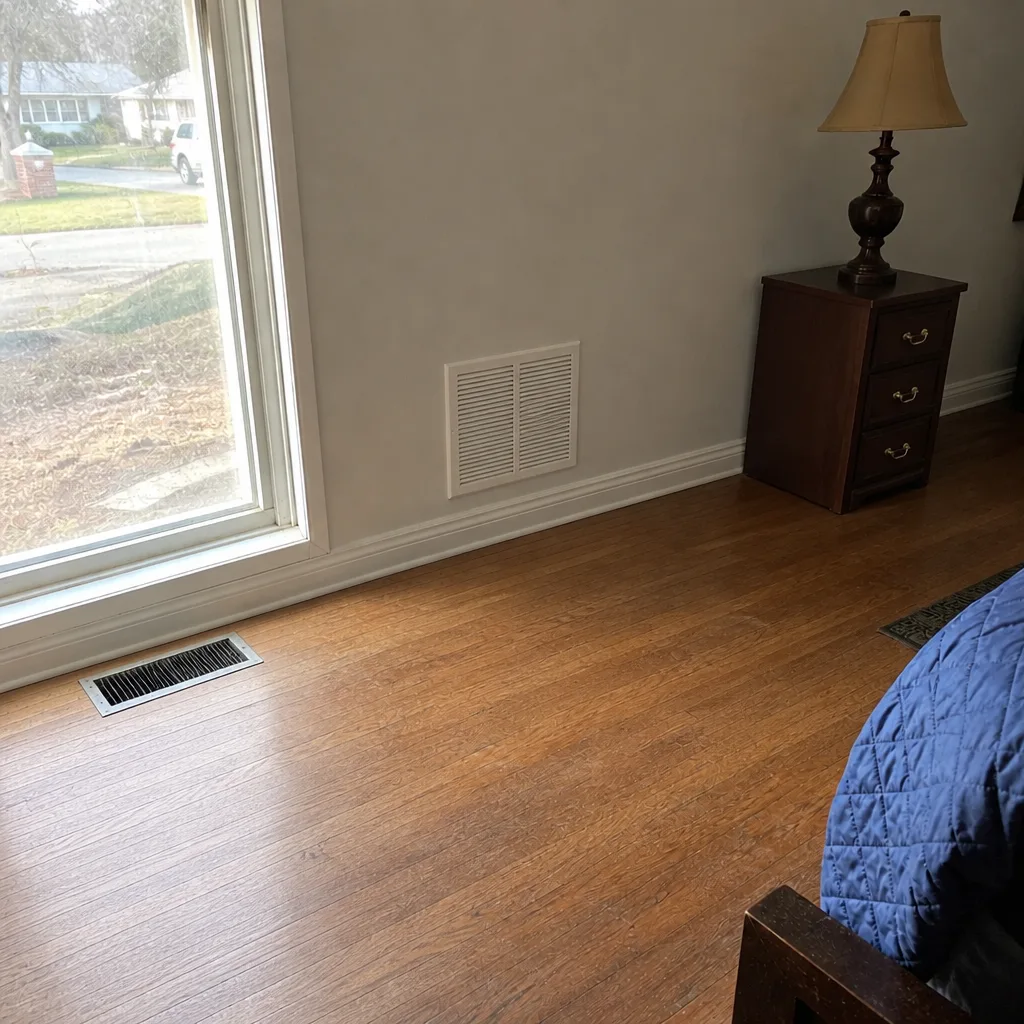 After
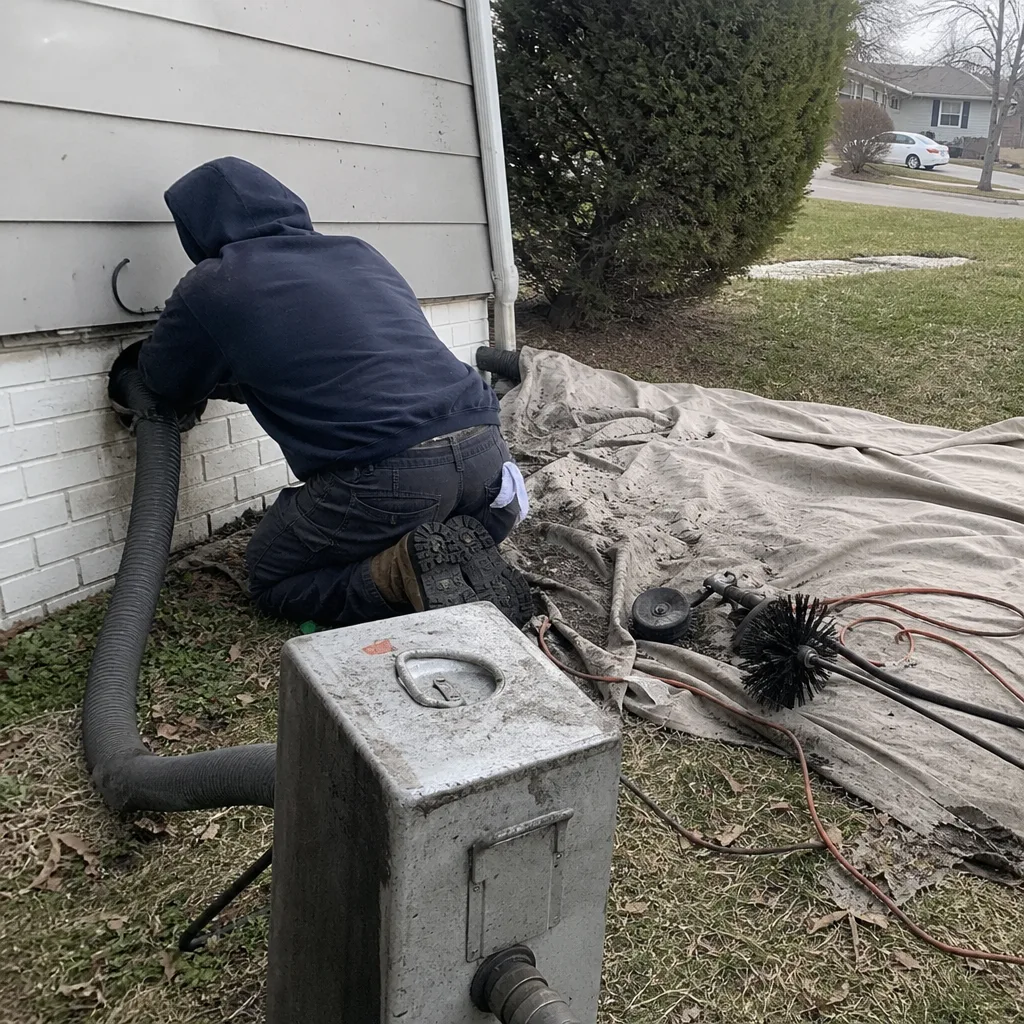 Before
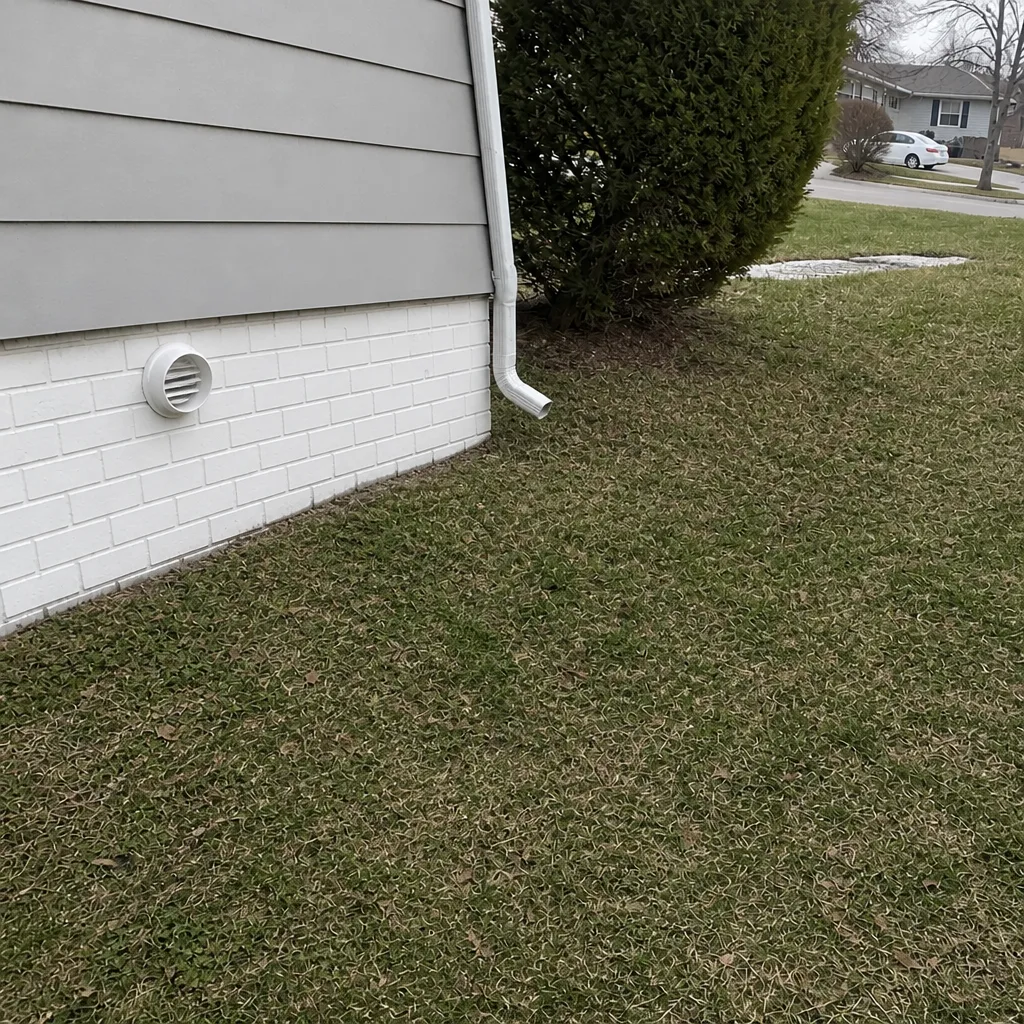 After
 Before
 After