
Last updated November 23, 2026
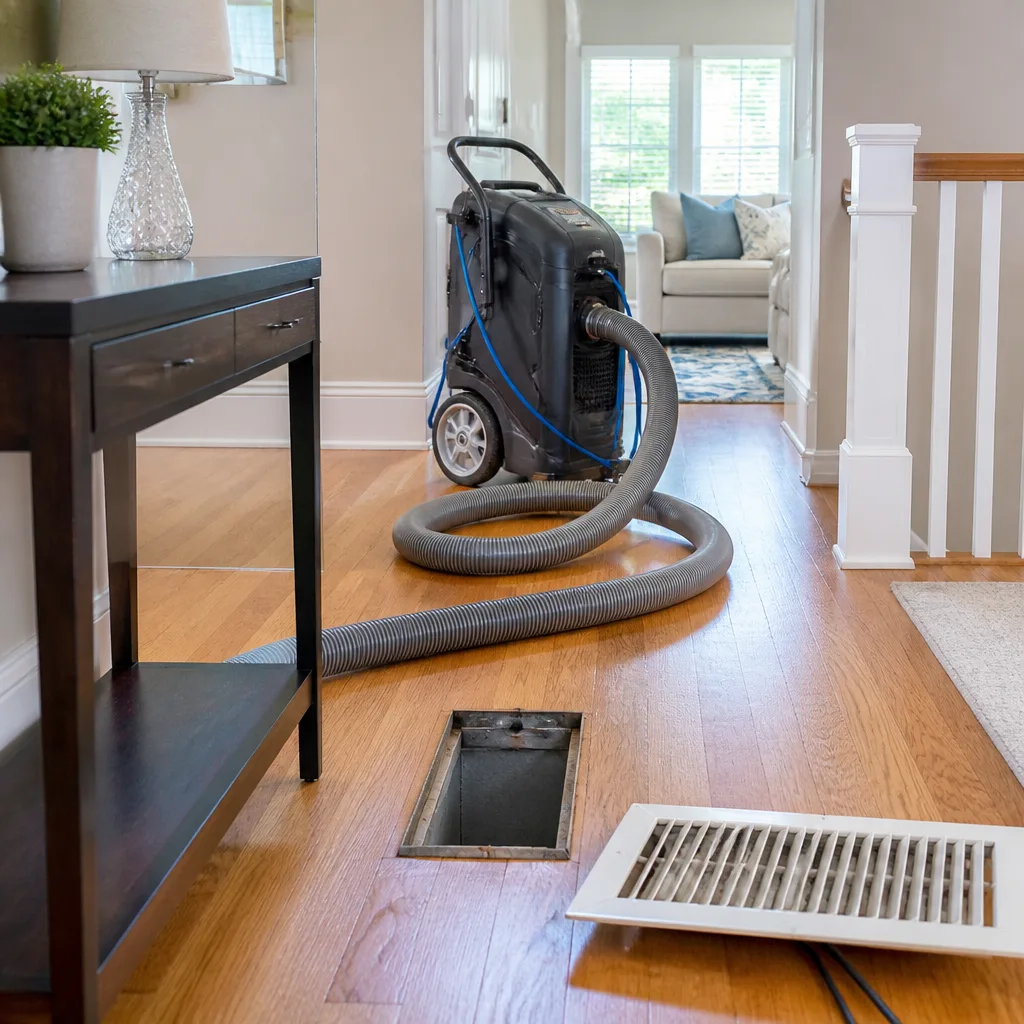 Whole-home duct cleaning
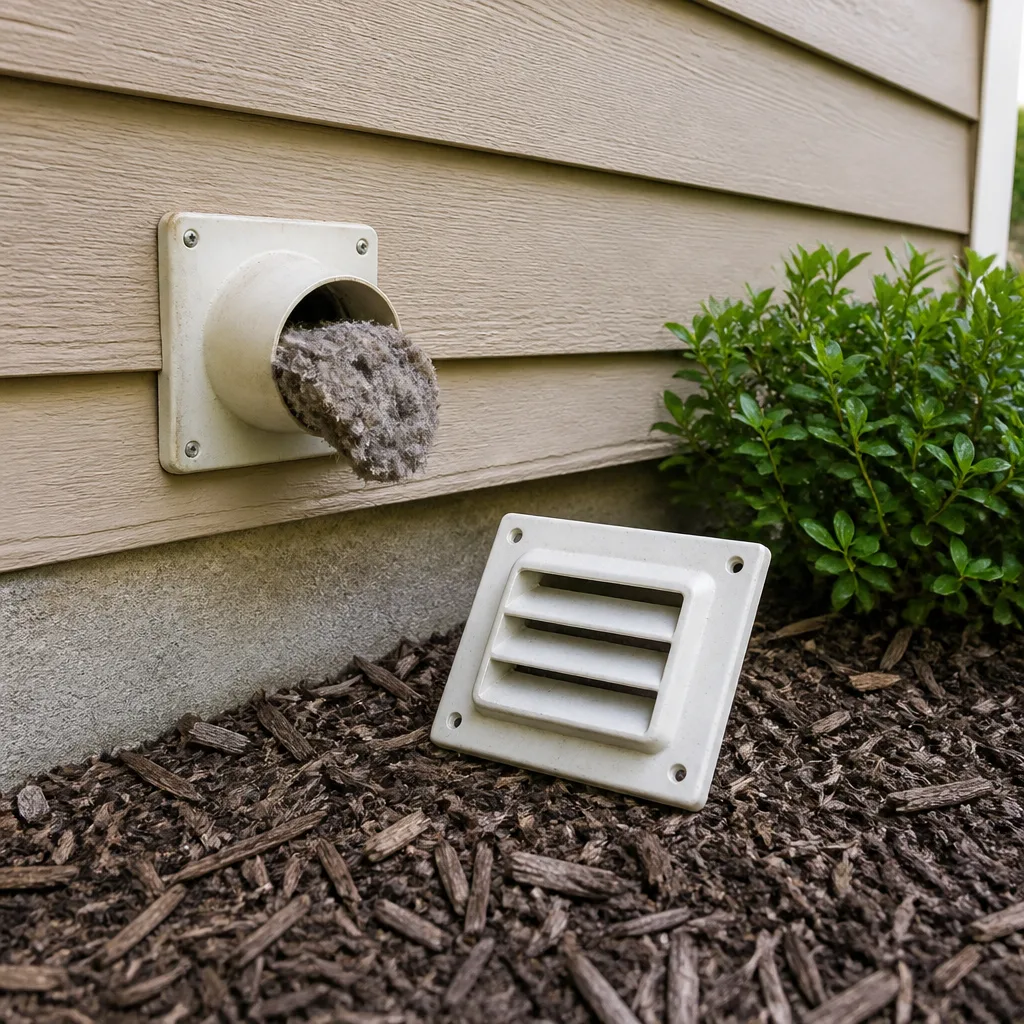 Dryer vent cleaning
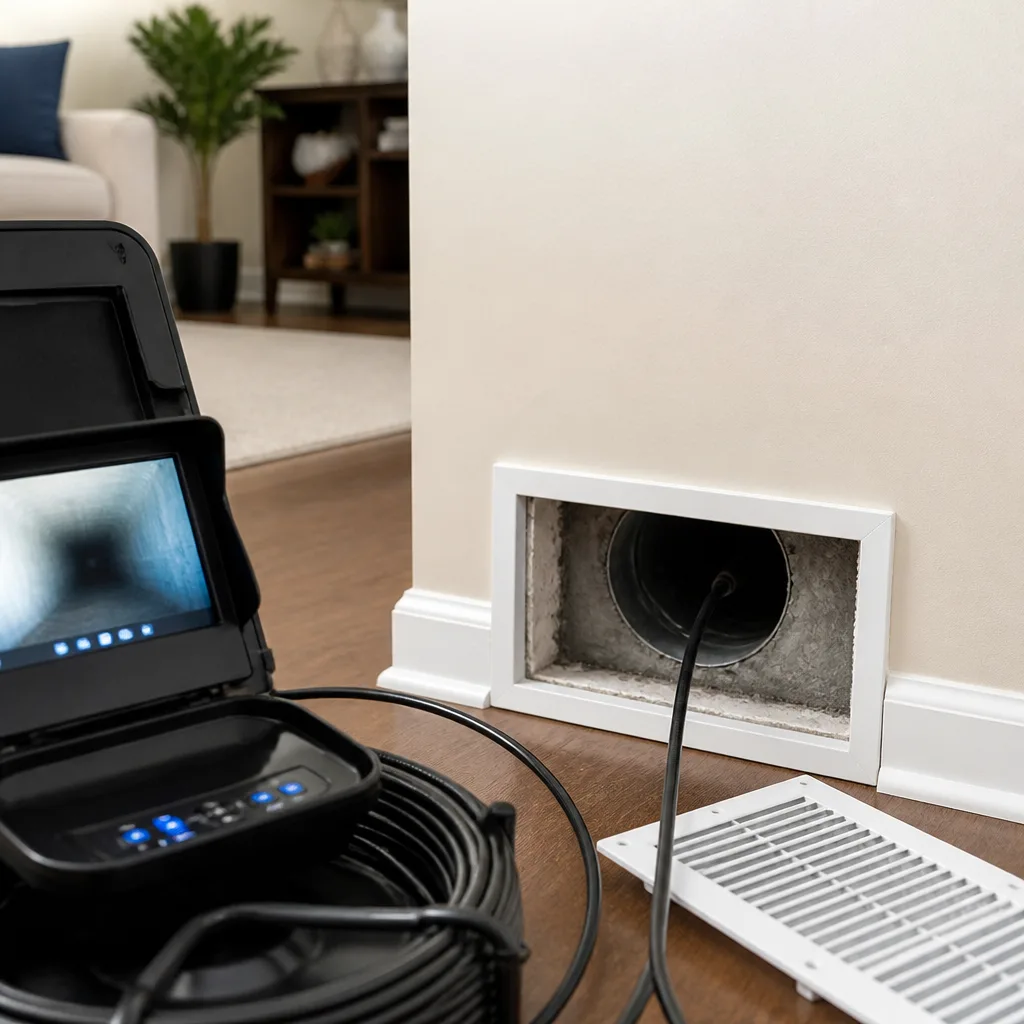 Camera inspection
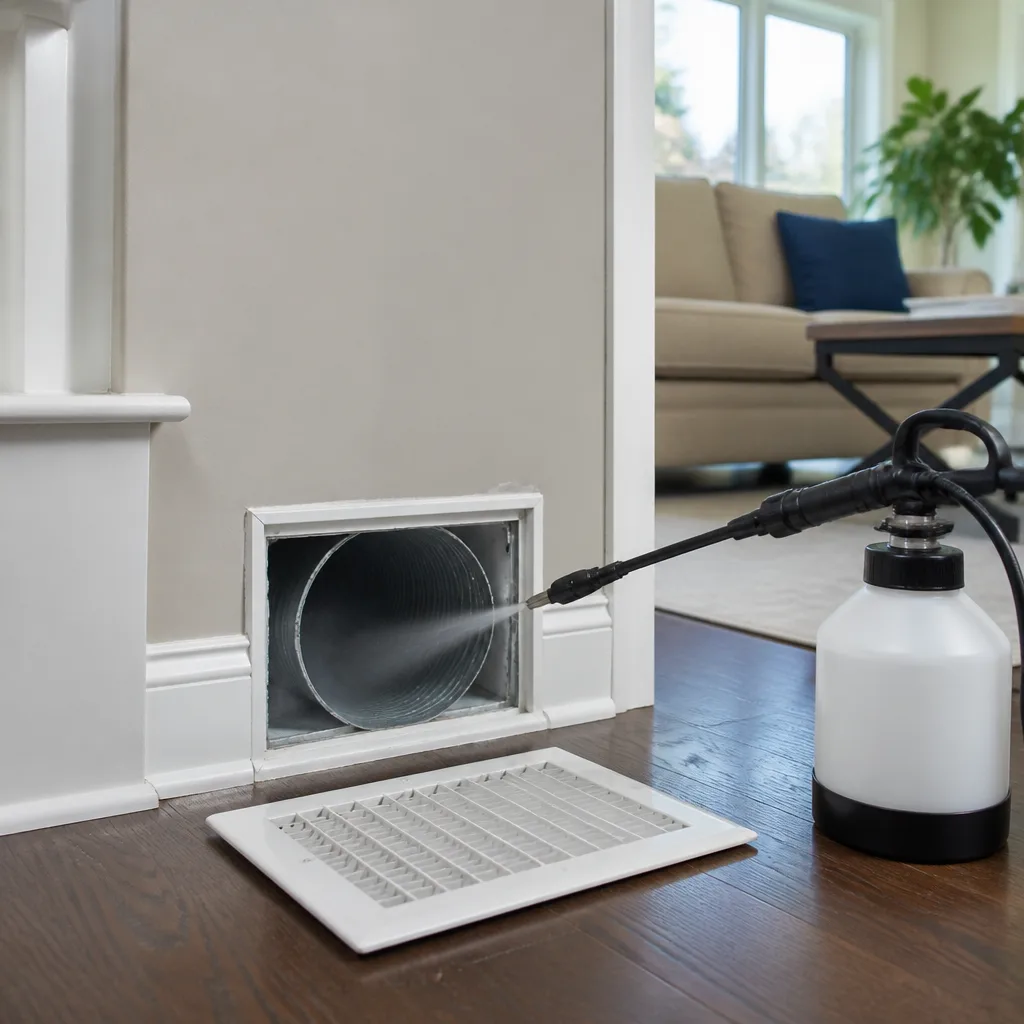 Sanitizing & deodorizing
Whole-system duct and dryer vent check with before-and-after photos - you see exactly what came out of your vents
That "$99 whole-house special" is a bait ad - the real number appears once they are in your hallway, or the "clean" is a shop-vac at the register. We photograph the inside of your ducts before and after instead.
DIY vs Professional Air Duct Cleaning: The Taylorsville Homeowner’s Decision Guide
A shop vac strapped to a floor register pulls roughly 50 to 100 cubic feet of air per minute. A professional negative-pressure duct cleaning system pulls 3,000 to 5,000 CFM. That’s not a difference in effort or elbow grease. It’s a difference in physics, and it decides whether the dust sitting in your ducts gets removed from your house or just redistributed into the room you’re standing in.
Most DIY duct cleaning advice online skips that part. This guide doesn’t. We’ll walk through what professional source removal actually does, the two jobs a Taylorsville homeowner can genuinely do well, the contamination situations where DIY turns a cleaning problem into a health problem, and a straight cost-benefit framework so you can decide with real numbers instead of guesswork.
Quick Answer
Professional air duct cleaning is worth it when your ducts hold visible debris, biological growth, construction dust, or rodent contamination, because only negative-pressure containment removes that material instead of blowing it into your living space. DIY cleaning is genuinely useful for two tasks only: washing the accessible supply and return grilles, and changing filters on schedule. Everything past the register face needs equipment a homeowner doesn’t own, and in Taylorsville’s dry, dusty summers, the gap between the two approaches shows up fast.
Styles & brands we work with
- Whole-home duct cleaning
- Dryer vent cleaning
- Camera inspection
- Sanitizing & deodorizing
Table of Contents
- Why Negative Pressure Is the Whole Ballgame
- The Two DIY Tasks That Actually Work in Taylorsville
- How Bad DIY Cleaning Makes Contamination Worse
- Contamination Categories Where DIY Is a Health Risk
- Does Professional Duct Cleaning Pay for Itself?
- What Professional-Grade Equipment Actually Does
- How Often Do Taylorsville Ducts Really Need Cleaning?
- Common Mistakes to Avoid
Why Negative Pressure Is the Whole Ballgame
Duct cleaning isn’t about reaching into a duct and pulling dust out. It’s about putting the entire duct system under negative pressure (a slight vacuum relative to the rooms around it) so that every particle you loosen stays inside the ductwork until it reaches a HEPA filter. That’s the principle called source removal, and it’s the standard the trade measures itself against.
The numbers make the difference concrete:
- Consumer shop vac at a register: roughly 50 to 100 CFM of airflow, pulling only from the one opening you’ve attached it to. Sealing is imperfect, so the vacuum leaks and particles escape into the room.
- Professional negative-pressure system: 3,000 to 5,000 CFM, connected to the main trunk or plenum, pulling from the whole system at once while technicians agitate debris upstream with rotary brushes and compressed air whips.
That’s a 30 to 100 times difference in capture capacity. No amount of technique closes that gap. A homeowner with a shop vac can spend a full weekend on a single branch line and still move less air than a professional setup does in the first few minutes. And the agitation step matters just as much: settled dust clings to duct walls and needs physical contact from a rotary brush to break loose. Suction alone won’t lift it.
We run Rotobrush rotary brush systems and Nikro HEPA vacuum units precisely because that combination pairs contact agitation with certified-grade filtration. In plain terms, the equipment has to loosen the debris and trap it at the same time. A shop vac does neither well in a duct system.
The Two DIY Tasks That Actually Work in Taylorsville
We’re not going to tell you everything in a duct system is off-limits to homeowners. Two tasks are worth doing yourself, and doing them right saves real money.
1. Cleaning supply and return grilles
The grilles are the metal or plastic faceplates you see in walls and floors. They collect a visible dust film that reduces airflow and looks grimy, and removing them is straightforward. Here’s the technique that works:
- Turn the HVAC system off at the thermostat so you don’t pull loosened dust deeper into the ducts.
- Unscrew the grille and set the screws in a cup so you don’t lose them.
- Wash the grille in a sink or tub with warm water and a degreasing dish soap. Let it fully dry.
- Wipe the register opening with a damp cloth. Don’t spray cleaner into the duct.
- Reinstall the grille and screw it back snug, not overtight, so you don’t crack the plastic.
That’s the extent of what fully accessible registers permit. Do not reach a vacuum hose past the register open. The flex duct on the other side is thin, easy to tear, and a torn liner is a bigger job than any dust you’d remove.
2. Replacing filters on schedule
Filter changes are the highest-return maintenance task a Taylorsville homeowner can do alone. In our high-desert summers, the fine dust that comes off the foothills loads filters faster than most people expect, and a clogged filter is the single most common cause of reduced airflow and rising energy use.
- Check the filter monthly during cooling season and swap it when it’s visibly gray or matted.
- Use the filter thickness your unit specifies. Upgrading to a high-MERV filter on a system not designed for it can choke airflow, which does more harm than good.
- Write the install date on the filter edge with a marker so you’re not guessing.
Everything else, from the trunk line to the branch ducts to the air handler interior, needs equipment and containment a homeowner doesn’t have. Our air duct cleaning work covers that full system, which is why it’s a different order of operation than grille cleaning.
How Bad DIY Cleaning Makes Contamination Worse
Here’s the part that gets missed. A well-intentioned DIY attempt with the wrong method can turn a cleaning problem into a remediation problem. The reason comes back to containment. When you agitate debris without negative pressure capturing it, the debris has to go somewhere, and that somewhere is the air your family breathes.
The methods that backfire most often:
- Compressed air down a register. Air compressors will dislodge debris, but they blow it downstream into the ductwork and out through every return, coating furnishings, blinds, and surfaces in fine dust. The cleaning has to include removing that dust from the whole house.
- Leaf blowers. Same principle as compressed air, worse scale. A leaf blower drives a huge volume of air through a system designed for far less, and it leaks out of any loose joint into the living space.
- Unsealed shop vacs at a single register. The vacuum pulls from a small opening, so it agitates nearby dust while only capturing a fraction. Dust escapes back into the room through the imperfect seal.
- Wet-cleaning duct interiors. Water introduced into sheet metal or flex duct creates a moist environment where biological growth thrives. Ducts are not designed to be wet-cleaned.
We’ve seen what an uncontained DIY job leaves behind: dust in the return plenum, dislodged debris settled in branch lines, and a homeowner still coughing. Fixing that meant a full professional cleaning plus HEPA containment on site, which is what we use Abatement Technologies equipment for, so the dislodged particulate gets captured rather than recirculated.
The math is simple. The do-it-wrong version costs more than a professional job would have, because you pay for the cleanup plus the original cleaning. If your ducts have visible debris and you’ve already tried compressed air, call us at (855) 658-5265 for a free estimate before you make it worse.
Contamination Categories Where DIY Is a Health Risk
Most dust and debris in a duct system is nuisance-level. It’s fine to leave it or have it cleaned on schedule. But certain contamination categories are a different question entirely, and those are the ones where DIY stops being a savings calculation and becomes a health concern.
Biological growth
Mold and bacteria establish in ducts when moisture sits in the system, sometimes from a cooling coil condensation issue, sometimes from a high-humidity stretch. Visible growth, a persistent musty smell, or a family member with worsening respiratory symptoms are all signals. Removing biological growth requires more than suction: it needs agitation with containment, and treatment with an appropriate sanitizer on the treated surfaces. Doing this yourself with a shop vac risks spreading spores through the house, which is the opposite of what you want.
Construction debris
New construction and remodeling leave drywall dust, sawdust, and occasionally chunks of material in the ductwork. This debris is heavy, tends to settle in branch lines, and is exactly the material a low-CFM consumer vacuum can’t pull. A professional cleaning with rotary brush agitation is the right answer, and the same visit can inspect for duct damage that new construction often causes unnoticed.
Rodent infiltration
Rodent activity in ducts is a contamination category with its own protocol. Droppings and nesting material carry a real health hazard, and disturbing that material without containment can aerosolize pathogens. Professional cleaning here means HEPA containment, careful extraction, and often sanitizing afterward. This is not a category for a homeowner with a respirator and a shop vac.
Where those situations are present, the right next step is an inspection and a written plan. Our HVAC cleaning service addresses the system beyond the ducts, and our air quality and sanitizing work is designed for exactly the biological-contaminant cases most cleaning companies skip.
Does Professional Duct Cleaning Pay for Itself?
This is the question homeowners ask most, so we’ll answer it honestly. Sometimes yes, sometimes no. When it does, the ROI shows up as measurable HVAC efficiency; when it doesn’t, the value is quality of life rather than a line in your budget.
The honest framework:
When professional cleaning genuinely pays for itself
- Heavy debris is blocking airflow. When ducts are clogged with construction dust, animal hair, or accumulated debris, the restriction raises static pressure and makes the blower work harder. Clearing it can restore the airflow the system was designed for, which shows up on your energy bill.
- You just moved into a home with unknown duct history. A cleaning combined with an inspection gives you a clean starting point and tells you whether ducts need repair or sealing. Neglected duct leaks can bleed 20 to 30 percent of conditioned air out of the system.
- An HVAC replacement is coming. Cleaning ducts before installing a new system is a standard practice, because pulling old debris into a new blower is a waste of the investment.
- Allergy symptoms point to the system. For allergy sufferers and families with young children, cleaner ducts reduce a source of household irritants that’s hard to control any other way.
When professional cleaning is maintenance spending
If your ducts are already reasonably clean, no visible debris is present, filters are changed on schedule, and no biological or rodent contamination is evident, a professional cleaning is a maintenance purchase, not an ROI play. You’re buying confidence and cleaner air, not a return on investment. That’s a legitimate reason to clean, but it’s not the same financial calculation.
A free estimate is the honest way to find out which category you’re in. Call (855) 658-5265 and we’ll give you a straight answer before any work is scheduled.
What Professional-Grade Equipment Actually Does
The gap between consumer and professional isn’t the brand name on the machine. It’s the engineered combination of agitation, extraction, and containment that makes the process work as a system. Here’s what that looks like on a professional job.
We run purpose-built platforms rather than shop-vac-grade gear:
- Rotobrush rotary brush systems. A flexible rotary brush is fed through the duct and spun at speed, so it physically scrubs the duct walls while a HEPA vacuum pulls the loosened material out. The contact step is the one most DIY attempts skip and the reason dust stays put.
- Nikro HEPA extraction. Certified-grade suction with HEPA filtration traps particles down to 0.3 microns. That’s small enough to catch the particles that irritate lungs and trigger allergy symptoms.
- Abatement Technologies containment. Used on site to protect indoor air during cleaning, so loosened particulate is captured rather than recirculated.
- Aprilaire and Honeywell integration. The cleaning visit can extend into long-term indoor air improvement with filtration, humidification, or fresh-air solutions from brands we trust. That’s a step beyond one cleaning visit; it’s an ongoing improvement to the air your family breathes.
A professional job also covers the whole system, not just the visible runs. The air handler cabinet, the blower, the evaporator coil face, the return plenum, and the main trunk all get attention, because debris hides where the light doesn’t reach. Our dryer vent cleaning service rounds out the system by addressing a fire-safety issue that HVAC-only contractors almost always miss.
One more piece most people overlook: inspection at the same time. A cleaning is often the first time anyone sees the inside of your ducts. If the inspection turns up a torn flex liner, a crushed branch line, or a leak at a joint, we can repair and seal it in the same visit, so you’re not chasing a second contractor for the fix. Cleaning, repair, and sealing under one provider.
How Often Do Taylorsville Ducts Really Need Cleaning?
There’s no universal calendar, and any company that hands you one without looking at your system is guessing. The honest answer depends on your home and the conditions around it. In Taylorville’s climate, a few local factors typically push cleaning sooner.
- Dust in the air. Taylorsville sits on a dry bench with fine dust that blows off the foothills through much of the year. That dust finds its way into return ducts steadily, so many local homes need cleaning on the shorter end of the national range.
- Wildfire smoke season. Summer smoke events pull fine particulate into the system, and while filters do their best, a filter can only catch what passes through it, not what settles in the ducts.
- Pets and carpet. Homes with shedding pets and wall-to-wall carpet load the system faster.
- Recent renovation. Any remodeling or duct installation resets the clock to “now.”
A practical rule: have the system inspected every few years and cleaned when inspection shows it needs it. If you can see debris at your floor registers, if airflow through some rooms is weaker than others, if you smell a musty odor when the system runs, or if your energy bill has crept up without a change in habits, those are the triggers people actually notice.
When you wash your grilles as part of your routine, you get a free look at what’s flowing. If that look turns up recurring debris, that’s a signal to have someone look inside with proper equipment.
Common Mistakes to Avoid
- Sticking a vacuum hose past the register. The flex duct behind the grille has a thin inner liner, and even a gentle push can tear or crush it. Any duct cleaning you do should stop at the grille.
- Cleaning with compressed air. Air blasting sends debris downstream and out through the returns, coating the house. The cleanup afterward can be far more work than the original cleaning.
- Calling a company that shows up with a shop vac. A pickup truck and a résumé don’t make a professional setup. Ask what equipment the company uses before you book, especially in Taylorsville where quotes vary widely.
- Skipping the air handler and returns. Duct cleaning that ignores the blower cabinet, evaporator coil, and return plenum leaves the largest debris reservoirs untouched. A good cleaning covers the whole system.
- Choosing the lowest bid without reading the scope. A very low estimate usually means fewer registers addressed or thin equipment. The number on the invoice isn’t the number that matters; what gets cleaned is.
- Cleaning only when prompted by a sales pitch. Duct cleaning is an on-inspection decision, not a seasonal subscription. If a company won’t inspect first, that’s a red flag.
- Forgetting the dryer vent. A blocked dryer vent is a fire hazard, and it’s the one duct in the house most often forgotten. It belongs in the same maintenance thinking as the HVAC ducts.
See the difference
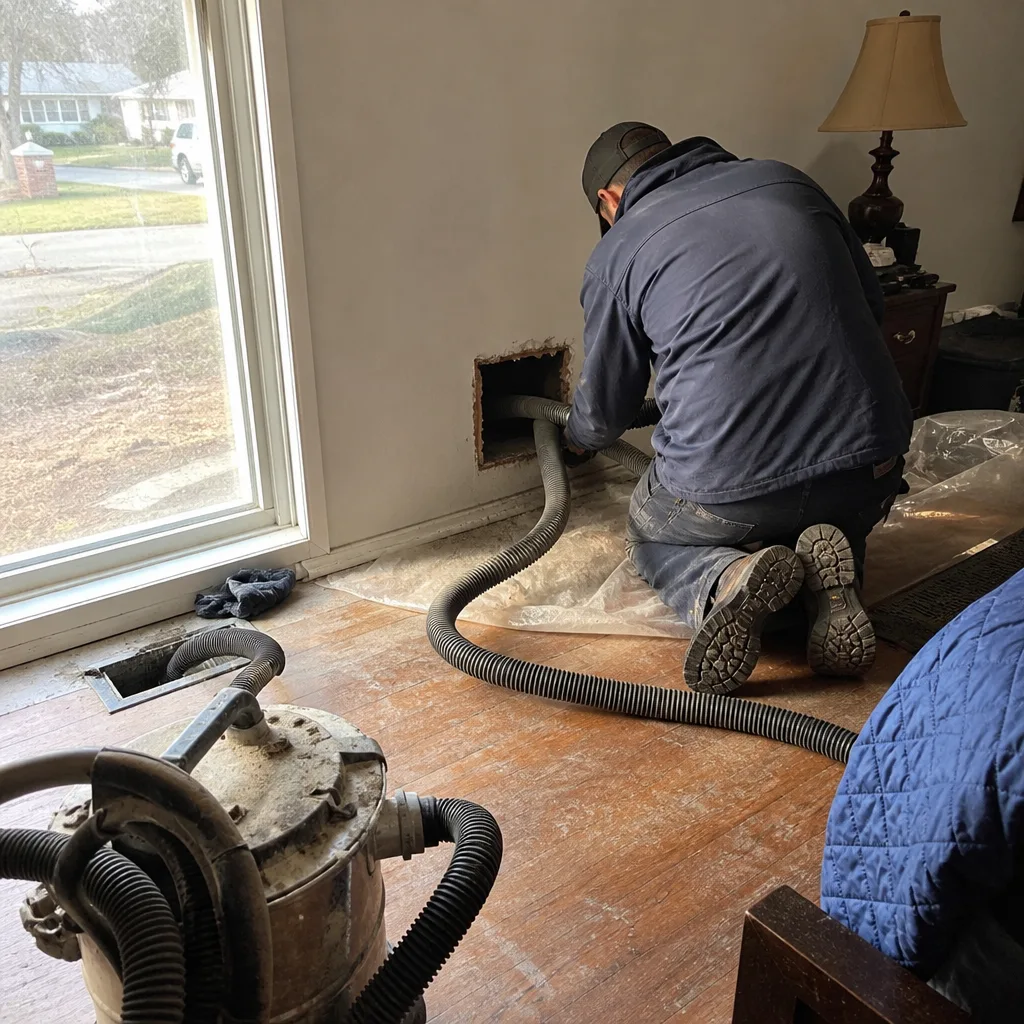 Before
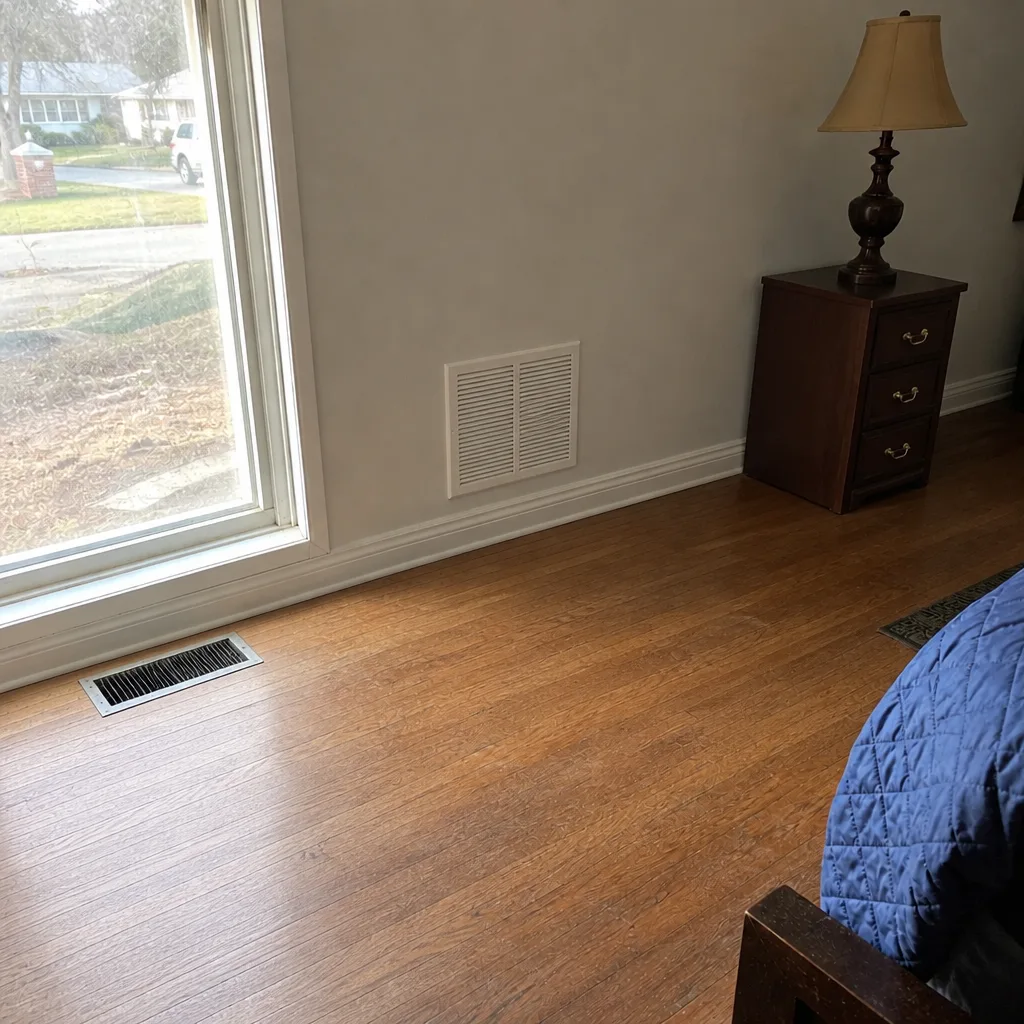 After
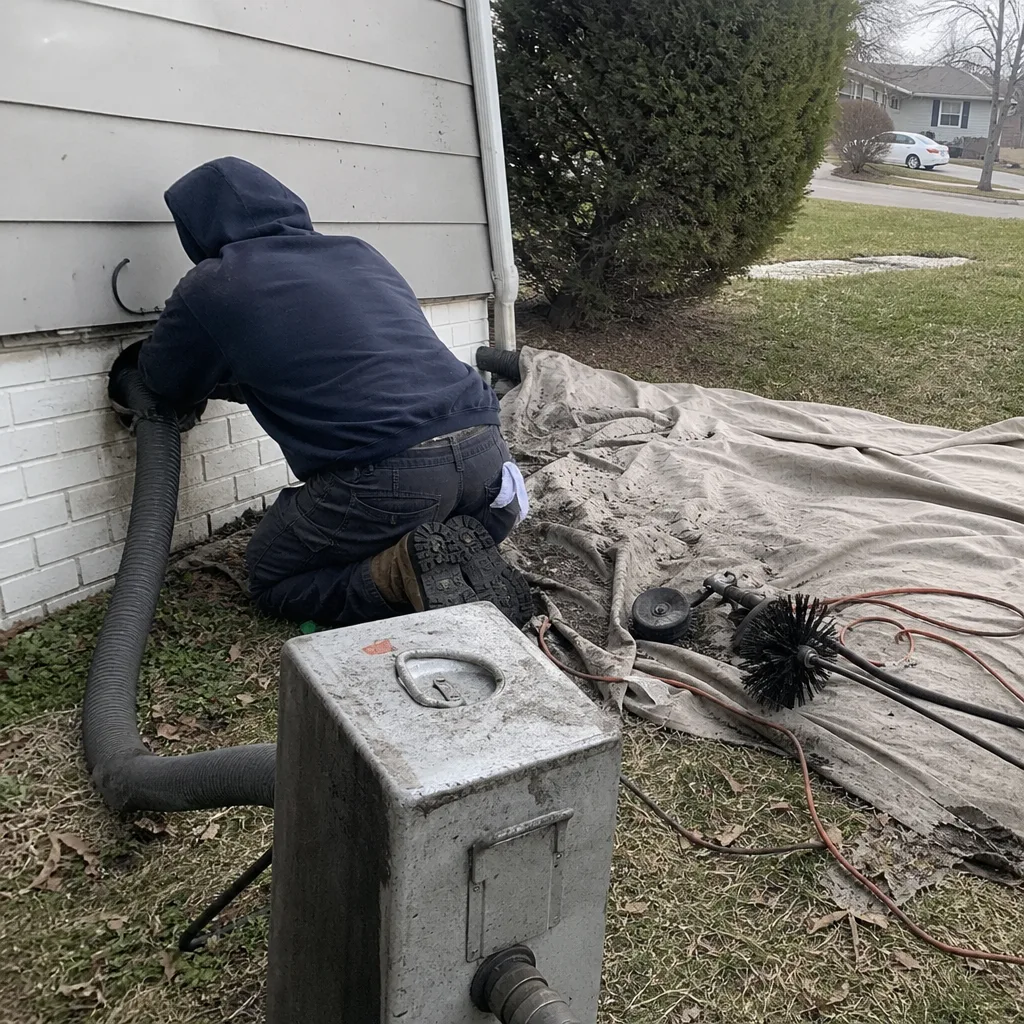 Before
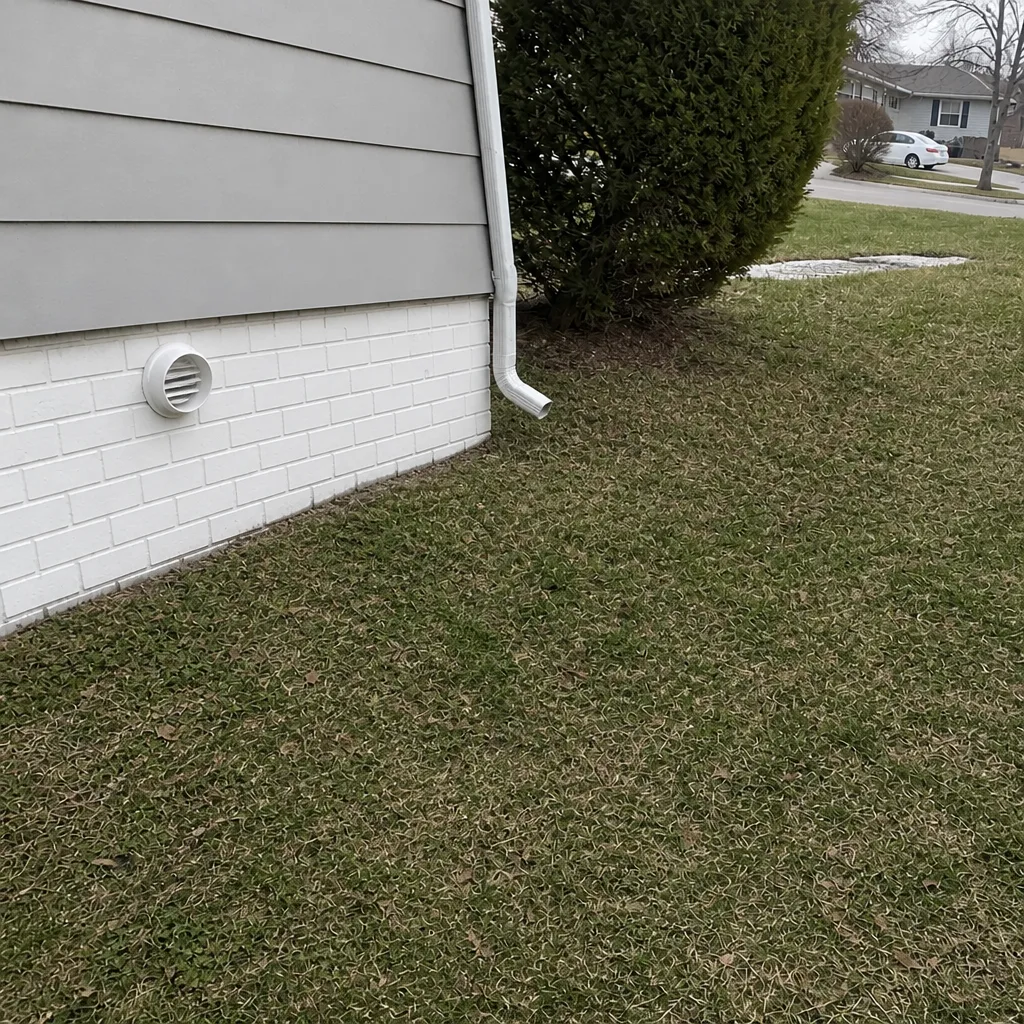 After
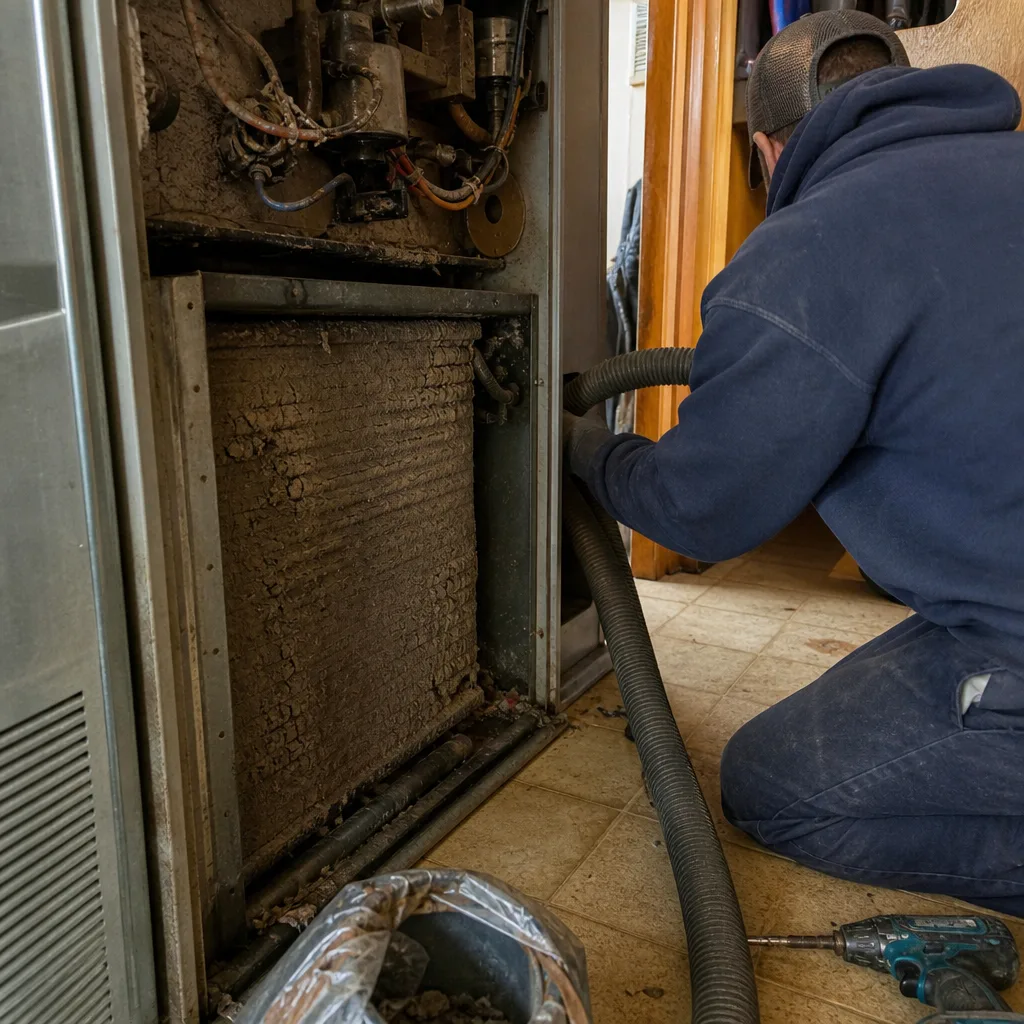 Before
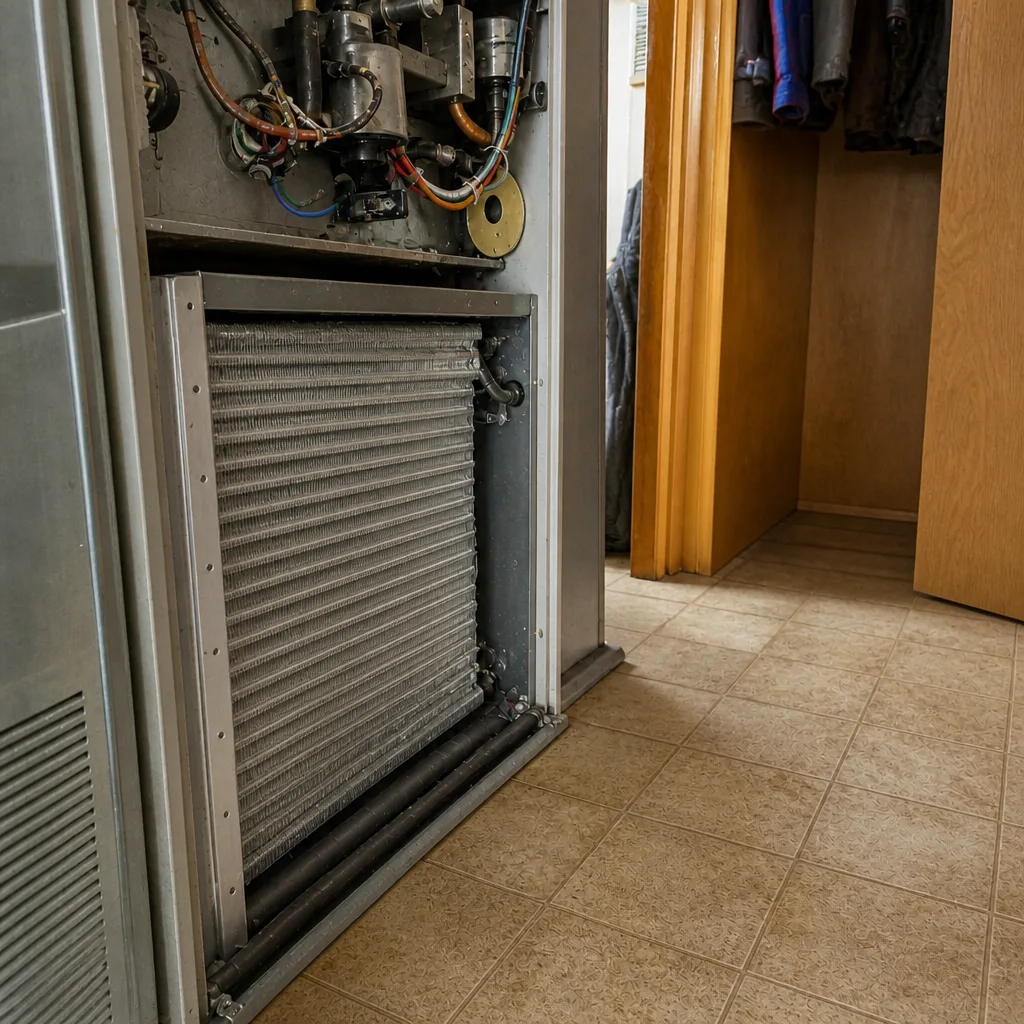 After
When to Call a Professional
Some situations call for a professional and calling is the cheaper choice. Visible debris at multiple registers, musty odors when the system runs, uneven airflow through the house, a recent renovation, a new-home purchase, rodent activity, a family member with worsening allergy or asthma symptoms, or high energy bills with no other explanation. Each of those signals a system worth inspecting.
Taylorsville Air Duct Cleaning offers free estimates in Taylorsville. Call (855) 658-5265. We answer 24/7, with fast dispatch from 7am to 7pm, Sunday through Friday. The written estimate sets the price, and we’ll tell you honestly if your ducts don’t need the job.
Frequently Asked Questions
No, not to a standard that actually removes the debris. A shop vac generates roughly 50 to 100 CFM of airflow at one register, while professional equipment pulls 3,000 to 5,000 CFM with containment, so the loose dust you agitate largely stays in the house. You can clean grilles and change filters yourself; past that, the equipment gap is too large. Call (855) 658-5265 for a free estimate if you want a real answer on your particular system.
Cost depends on system size, the number of registers, contamination level, and whether repair or sanitizing is needed. The estimate is free and the price is set per job in writing before any work begins, which removes the bait-and-switch problem of low teaser pricing that balloons into a big invoice. Call (855) 658-5265 and we’ll give you a written number for your home.
It can, and that’s the risk most DIY advice ignores. Blowing debris around without containment recirculates fine particulate into the living space, which is exactly the material that triggers allergy symptoms. If you have mold, rodent contamination, or heavy construction debris, the risk is higher. The right move is a professional cleaning with HEPA containment. Call (855) 658-5265 to schedule an inspection.
It often is, but for different reasons than in humid climates. Taylorsville’s dry dust and wildfire smoke load return ducts faster, and that debris does reduce airflow over time. If your ducts have visible accumulation or your system isn’t moving air the way it used to, professional cleaning restores performance. If your ducts are already clean and your filters are current, an inspection will show that, and you can skip the cleaning. Call (855) 658-5265 for a free look.
Ask for before-and-after photos of your own ducts, not stock images. A professional job also leaves visual evidence: clean register openings, no dust trails at the grilles, and a clean return plenum. We photograph the work for you so you have a record. Call (855) 658-5265 if you want an estimate and a plan.
Cleaning removes dust and debris; sanitizing treats the surfaces for biological contaminants like mold, bacteria, and odors. Most duct cleaners stop at cleaning and skip the treatment step. Both belong in a complete job where contamination includes biological growth, and the sequence matters: sanitize only after the surfaces have been physically cleaned. Call (855) 658-5265 to talk through what your home needs.
The Bottom Line
DIY duct cleaning is genuinely useful for two things: grille cleaning and filter changes. Everything past the register needs physical agitation with HEPA extraction under negative pressure, and no consumer machine can replicate that. Improper attempts with compressed air or uncontained vacuums create contamination events that cost more than a professional job would have. Professional cleaning pays for itself when debris is heavy and airflow is restricted; when ducts are already clean, it’s maintenance spending, and honest inspection will tell you which you’re looking at. In Taylorsville, dry air and smoke season give ducts plenty of reason to be checked. Start with a free estimate from Taylorsville Air Duct Cleaning and skip the guesswork.
Written by the team at Taylorsville Air Duct Cleaning.